
Blooming
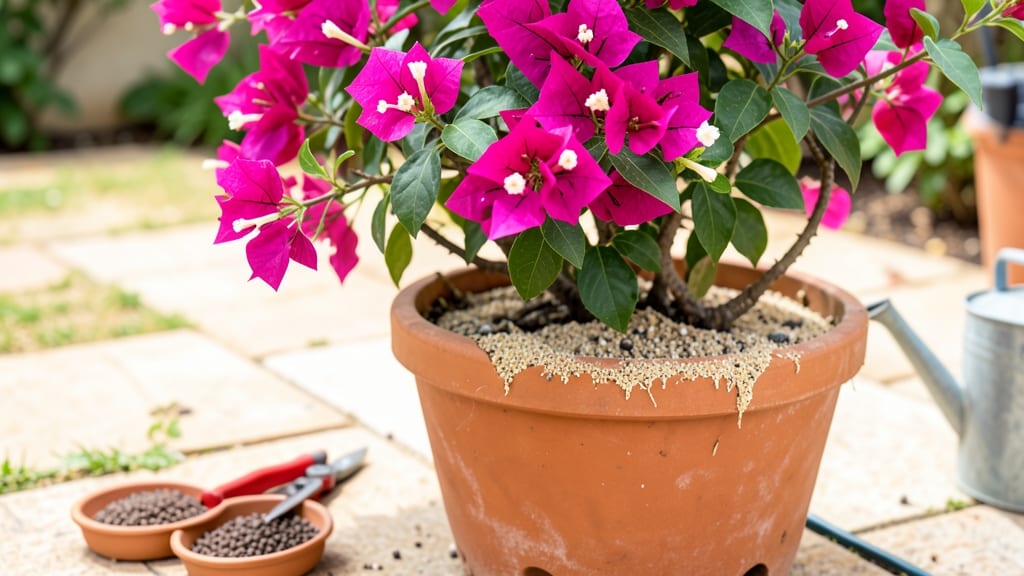
Making bougainvillea bloom in pots isn’t magic—it’s sunlight, smart pruning, and a little patience. 🌿 I’ve turned my once-bare potted vines into year-round color factories by following these sun-seeking secrets that force blooms even in small spaces.
The key starts with 6+ hours of direct sun daily and pots with drainage holes (no soggy roots!). Overwatering kills blooms faster than anything—let the top inch dry between waterings. Prune after blooms fade to encourage new growth, and feed monthly with a balanced fertilizer during growing season.
By summer’s end, you’ll have cascades of vibrant paper-like blooms that last well into fall. The trick is keeping the plant slightly hungry—too much nitrogen means leaves, not flowers—and protecting it from hard freezes if you live in colder zones. Works for patios, balconies, or even hanging pots.
Let’s get those blooms going!
📚 In This Guide
- What you need
- Instructions
- Tips and common mistakes
- Wrapping up and next steps
What you need
- ● Bougainvillea plant: Choose a healthy, mature specimen (preferably a Bougainvillea glabra or Bougainvillea spectabilis variety) already in a pot or plan to transplant one.
- ● Container: A well-draining pot (12–18 inches in diameter) with drainage holes. Terracotta or ceramic works best to prevent root rot.
- ● Potting mix: A fast-draining blend (e.g., 60% cactus/succulent mix + 30% perlite/pumice + 10% coarse sand or orchid bark). Avoid garden soil—it’s too dense!
- ● Fertilizer: Balanced liquid fertilizer (10-10-10 or 20-20-20) for general growth.
- ● Bloom booster (high in phosphorus, like 5-10-5 or 7-9-5) to encourage flowers. Use every 4–6 weeks during blooming season.
- ● Pruning shears: Sharp, clean shears (sterilize with rubbing alcohol between cuts).
- ○ Support structure (optional): A small trellis, stake, or tomato cage if you want to train vines.
- ● Sunlight: A south- or west-facing spot with at least 6–8 hours of direct sun daily. Bougainvillea thrives in heat—this is non-negotiable!
- ● Watering setup: A watering can with a narrow spout (to avoid soggy soil) or a drip irrigation system for consistency.
- ● Patience: Bougainvillea blooms best when stressed slightly (e.g., slightly dry soil, pruning at the right time). Don’t overwater!
- ○ Epsom salt (optional): A teaspoon per gallon of water monthly can boost magnesium (great for leaf health and blooms).
- ● Mulch: A 1-inch layer of gravel or bark around the pot’s surface to retain heat and deter weeds.
- ○ pH test kit (optional): Aim for a soil pH of 6.0–7.0. Bougainvillea prefers slightly acidic to neutral soil.
Step-by-Step instructions for encouraging bougainvillea blooms in containers
Here’s how to transform your potted bougainvillea from a leafy shrub into a nonstop blooming powerhouse.
🌱 Step 1: Choose the Right Pot and Drainage
Bougainvillea thrives in well-draining containers—terracotta or ceramic pots work best because they allow excess moisture to evaporate quickly. A 12-15 inch diameter pot per plant gives roots room to spread without becoming waterlogged. If your pot lacks drainage holes, drill 3-4 ¼-inch holes in the bottom to prevent root rot.
I always add a 2-inch layer of gravel or expanded clay pebbles at the bottom before filling with soil. This creates an air pocket that keeps roots oxygenated and prevents soggy soil, which bougainvillea despises. The plant’s native habitat is arid, so mimicking that drainage is key to blooming success.
☀️ Step 2: Position for Maximum Sunlight
Bougainvillea blooms only when it gets 6-8 hours of direct sunlight daily. Place your pots in the sunniest spot—south or west-facing is ideal. If you’re in a shaded area, supplement with a grow light positioned 12-18 inches away for 12-14 hours per day.
Watch for signs of insufficient light: leggy growth, sparse leaves, and no blooms. If your plant stretches toward the light, it’s begging for more sun. Rotate the pot a quarter turn weekly to ensure even growth and prevent lopsided blooming clusters.
💧 Step 3: Water Deeply but Infrequently
Bougainvillea’s drought-tolerant roots store water, so you’ll water only when the top 2 inches of soil feel completely dry. Stick your finger in the soil—if it’s dry past your first knuckle, it’s time. Overwatering is the #1 killer of blooms, so resist the urge to water on a schedule. Instead, let the soil dry out fully between waterings.
When you do water, soak the soil until it drains freely from the bottom holes. Empty the saucer afterward to prevent the roots from sitting in standing water. In summer, you might water every 3-4 days, but in winter, cut back to once a week or less.
✂️ Step 4: Prune for Shape and Encourage Blooms
Pruning isn’t just about shaping—it’s about directing energy toward blooms. Cut back leggy stems by ⅓ their length in early spring to promote bushier growth. Always prune just above a leaf node where new growth will emerge. Deadhead spent blooms regularly to encourage new flowers—simply pinch off the faded clusters with your fingers.
Here’s the trick: bougainvillea blooms form on new wood, so pruning stimulates fresh growth. Avoid heavy pruning in fall or winter, as the plant needs time to recover before spring’s growth surge. If your plant looks woody and bare, a light pruning in late winter will coax out vibrant new shoots.
🌿 Step 5: Feed for Vibrant Blooms
Use a balanced, water-soluble fertilizer (like 10-10-10) diluted to half strength every 4-6 weeks during spring and summer. Bougainvillea responds well to phosphorus, which promotes flowering, so I switch to a 5-10-5 or 3-12-6 formula in late spring to boost bloom production.
Stop fertilizing in fall and winter—this mimics the plant’s natural dormancy period and prevents weak, leggy growth. If you notice yellowing leaves, flush the soil with water to remove excess salts from fertilizer buildup. A healthy plant with deep green leaves will reward you with bold, long-lasting blooms.
Tips & tricks for perfect bougainvillea blooms in containers
Transforming your bougainvillea from a leafy shrub to a blooming beauty takes these key insights—learned from years of trial and error.
Drainage is Non-Negotiable: In Step 1, that 2-inch gravel layer isn't just decorative—it's a lifeline. I've seen bougainvillea roots rot in just 48 hours when planted in pots without proper drainage. If your existing pot lacks holes, consider upgrading rather than drilling—some thin materials can crack. For extra insurance, add a layer of horticultural charcoal above the gravel to prevent bacterial buildup in that critical bottom layer.
Sunlight Strategy for Shaded Spaces: When you're setting up that 12-18 inch grow light in Step 2, position it so it mimics the sun's arc across the sky. Most people place it directly overhead, but bougainvillea benefits from light coming from different angles throughout the day. Use a timer for your grow light to maintain those 12-14 hours consistently—even small gaps can signal your plant it's time to stop flowering.
Watering Wisdom: The "top 2 inches dry" rule in Step 3 is your golden metric, but here's the secret: check soil moisture at the same time each day. Our fingers can be deceiving—morning soil is cooler and often drier than afternoon soil. Weigh your pot before watering to establish a baseline; a 10% weight loss typically means it's time. And never, ever let water sit in the saucer—bougainvillea roots will literally drown themselves in standing water.
Pruning Precision: That ⅓ length cut in Step 4 should target stems that are at least pencil-thick. Thinner stems won't regenerate as vigorously. For woody plants, make your cuts just above a leaf node where you can see a tiny bump—this is where new growth will emerge. I've found that pruning in the early morning gives stems time to callus over before evening moisture sets in, reducing disease risk.
Pro Tips for Make Bougainvillea Bloom In Pots
- Transforming your bougainvillea from a leafy shrub to a blooming beauty takes these key insights—learned from years of trial and error.
- Drainage is Non-Negotiable: In Step 1, that 2-inch gravel layer isn't just decorative—it's a lifeline.
- Sunlight Strategy for Shaded Spaces: When you're setting up that 12-18 inch grow light in Step 2, position it so it mimics the sun's arc across the sky.
Frequently asked questions
Got questions about keeping your potted bougainvillea blooming like a pro? Here are some of the most common ones—and their answers!
Why isn’t my bougainvillea blooming at all?
Lack of sunlight is the #1 culprit! Bougainvilleas need 6+ hours of direct sun daily. If your pot is in shade, move it ASAP. Also check for overwatering—soggy roots stop blooms. Prune leggy growth to encourage bushier, flower-heavy stems.
How long does it take for bougainvillea to bloom in pots?
Patience is key! With ideal care (sun, pruning, and fertilizer), you’ll see new blooms in 6–12 weeks. Established plants may reward you sooner, but young or newly repotted bougainvilleas take longer. Pro tip: Pinch back tips in spring to trigger faster flowering.
Can I use regular potting soil for bougainvillea?
Not ideal! Bougainvilleas thrive in fast-draining, slightly acidic soil. Mix cactus/succulent mix with perlite or pumice (50/50) for best results. Avoid heavy garden soil—it causes root rot. Bonus: Add a handful of orchid bark for extra aeration!
What do I do if my potted bougainvillea drops buds before blooming?
Bud drop usually means stress—common triggers include temperature swings (below 50°F/10°C), overwatering, or nutrient deficiencies. Move the pot to a consistent, warm spot (60–90°F/15–32°C), reduce watering, and feed with a low-nitrogen bloom booster.
Are there bougainvillea varieties that bloom easier in pots?
‘San Diego Red’
and ‘California Gold’ are top picks for pots—they’re compact, drought-tolerant, and bloom prolifically. ‘Double Pink’ is another showstopper but needs slightly more care. Pro tip: Choose dwarf varieties (under 6 ft) for smaller containers!
How often should I repot my bougainvillea?
Repot every 2–3 years or when roots circle the pot. Spring is the best time! Use a container 1–2 inches larger than the current one (bigger pots = slower blooming). Warning: Avoid repotting during bloom time—it stresses the plant and can halt flowers.
Wrapping up and next steps
Growing bougainvillea in pots and coaxing those vibrant blooms is totally doable—even for beginners! 🌸 The secret lies in sunlight, well-draining soil, and a little extra care during pruning and feeding. With these tips, you’ll enjoy a year-round burst of color that turns heads in your garden or patio.
Now that you’re armed with the know-how, pick a sunny spot and get planting! Start with a healthy cutting or young plant, and soon, you’ll be rewarded with lush, blooming bougainvillea that’s the star of your space. Happy gardening! 🌞