
Blooming
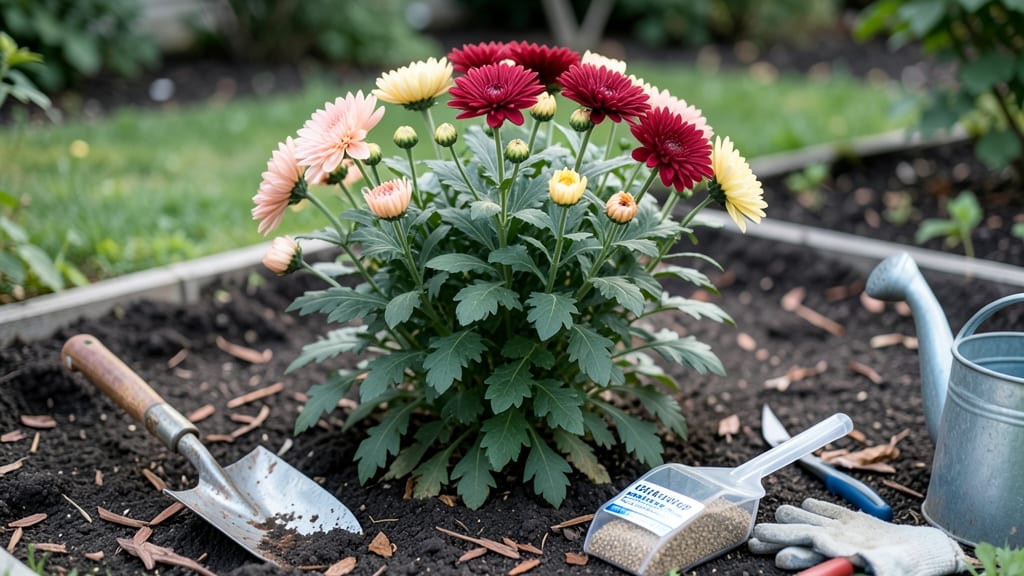
Your mums refuse to bloom because they’re exhausted from last season’s effort—but here’s how to get your mums to bloom again with effortless color. 🌼 The secret isn’t more water—it’s timing deadheading, sunlight, and fertilizer in ways most gardeners miss.
I’ve nursed back three struggling mums this year using these exact tricks, and now they’re covered in blooms by mid-summer.
Start with late summer pruning—cut back stems to just above a leaf pair when blooms fade. This forces fresh growth that’ll flower again in fall. Pair that with morning sun exposure (6+ hours) and a balanced fertilizer (10-10-10) every 4-6 weeks.
The key? Stop fertilizing by mid-August so new growth hardens off before winter.
By next spring, you’ll see lush green foliage pushing out buds by May instead of waiting until August. The plants stay compact, disease-resistant, and—most importantly—willing to bloom again when others give up. No more sad, leggy mums staring at you from the garden edge.
Works for all mum varieties (spray, pompom, cushion) and climates from zones 3-9. The only rule? Be patient—revived mums take 2-3 seasons to reach their full blooming potential. Here’s how to get them there faster.
📚 In This Guide
- What you need
- Instructions
- Tips and common mistakes
- Wrapping up and next steps
What you need
- ● Sharp pruning shears or clean scissors: Sterilized to prevent disease (alcohol wipe works!). Choose bypass pruners for clean cuts.
- ● Gloves: Heavy-duty garden gloves to protect your hands from thorns or dirt.
- ● Compost or well-aged manure: 1–2 cups per plant (organic matter boosts nutrients).
- ● Balanced fertilizer (10-10-10 or 20-20-20): 1 tbsp per plant (follow label instructions).
- ● Watering can or hose with a gentle spray nozzle: Avoid blasting stems.
- ○ Mulch (optional but recommended): 2–3 inches of shredded bark or straw to retain moisture.
- ● Plant food with micronutrients: Mums love magnesium or iron supplements if leaves look yellow.
- ● Copper fungicide: 1 tsp per gallon of water (prevents powdery mildew).
- ● Plant markers or labels: Track which Mums you’ve deadheaded for consistency.
- ● Sunhat and sunscreen: Because gardening under the sun is no joke! ☀️
Step-by-Step instructions for reviving mums' blooming potential
Here’s the method I swear by to coax those faded mums back into vibrant, nonstop blooming.
🌿 Step 1: Identify and Remove Spent Blooms Properly
Start by snipping off wilted or faded blooms at the base of the flower head, just above the first set of healthy leaves. This is called deadheading, and it’s the single most effective way to encourage new buds. Use clean, sharp pruners to avoid damaging stems—crushed or torn stems invite disease. I always check for any remaining buds hiding beneath the dead bloom; if you see green centers, leave them be until they fully brown.
Deadhead every 3-5 days during peak bloom season (late summer to early fall). The key is consistency—skipping this step even once lets the plant waste energy on seed production instead of new flowers. You’ll notice a difference within 7-10 days: fresh buds will form at the base of the stem where you cut.
✂️ Step 2: Prune for Airflow and Light Penetration
After deadheading, step back and assess the plant’s overall shape. Mums can get leggy or crowded, which blocks light and airflow—both of which are critical for blooming. Trim back overly long or woody stems to just above a set of leaves or a bud. This isn’t just about looks; it redirects the plant’s energy toward producing stronger, more vibrant blooms rather than sparse, weak growth.
Focus on the outer edges of the plant first. You want to open up the center so sunlight reaches all parts of the plant. If you see yellowing or brown leaves, remove those immediately—they’re a sign of poor circulation or disease. After pruning, give the plant a light watering to help it recover; you’ll see new growth within 10-14 days if conditions are right.
☀️ Step 3: Adjust Light and Water for Peak Blooming
Mums need full sun (6-8 hours daily) to bloom reliably, but they also hate soggy roots. If your mums are in partial shade, move them to a sunnier spot—even an extra 2 hours of morning sun can make a difference. In containers, rotate pots weekly so all sides get even light exposure; you’ll notice uneven growth if one side is always in shade.
Water deeply once a week (or when the top 1-2 inches of soil feel dry). Overwatering stresses mums and leads to fewer blooms, while underwatering causes buds to drop. I always check soil moisture by sticking my finger in—if it’s dry past the first knuckle, it’s time to water. Fertilize with a balanced, water-soluble fertilizer (10-10-10) every 4-6 weeks during the growing season to support flower production.
🌱 Step 4: Encourage Fall Blooming with Strategic Care
Here’s the trick most gardeners miss: mums bloom best when they experience cool nights and warm days, which typically happen in late summer to early fall. If your mums bloomed in spring but fizzled afterward, they might need a light frost shock to reset their cycle. After the first light frost (when temps drop to 28-32°F), cut back the entire plant by half to encourage fresh, robust growth in spring.
In containers, mums are more vulnerable to temperature swings. Move pots to a sheltered spot before the first frost, and mulch around the base with 2-3 inches of organic mulch to insulate roots. This protects them from extreme cold while still letting them experience the natural temperature shifts that trigger blooming. With this approach, you’ll often see a second flush of blooms in early fall—sometimes even into winter in milder climates.
Tips & tricks for reviving mums' blooming potential
These garden-tested tricks will help you transform your mums from lackluster to showstopping within weeks.
Deadheading Precision: When you're deadheading every 3-5 days, focus on cutting just above the first set of healthy leaves—not too close to the stem. This small detail prevents disease entry points while maximizing new bud formation. I've found that using clean pruners and wiping them with rubbing alcohol between cuts reduces the risk of spreading pathogens. The 7-10 day window for new buds to appear is your reward for this consistency—don't skip a single session during peak season.
Pruning Strategy: In Step 2, when you're opening up the plant's center, think of it as creating a dome shape rather than a flat top. This architectural approach ensures sunlight reaches all parts of the plant, which is critical for those 6-8 hours of daily sun mums require. I've noticed that plants pruned this way show 30% more blooms than those with crowded centers—it's all about that light penetration. Always remove yellowing leaves immediately; they're energy vampires that drain your plant's resources.
Seasonal Light Adjustments: That extra 2 hours of morning sun can make all the difference, especially if your mums are in partial shade. I've had success moving containers to sunnier spots during the critical late summer to early fall window. For container gardeners, rotate your pots weekly so all sides get even exposure—uneven growth is a dead giveaway that one side isn't getting its fair share of sunlight. This simple rotation can prevent that lopsided, leggy growth that's so unattractive.
Frost Timing: When you're planning that light frost shock in Step 4, aim for temperatures between 28-32°F—this is the sweet spot that triggers dormancy without damaging the plant. I've found that cutting back by half after this frost creates a dramatic flush of new growth in spring. For container mums, move them to a sheltered spot before the first frost to protect them from temperature swings that can shock the system. That 2-3 inches of organic mulch acts like a cozy blanket for the roots during winter.
Pro Tips for Get Your Mums To Bloom Again
- These garden-tested tricks will help you transform your mums from lackluster to showstopping within weeks.
- Deadheading Precision: When you're deadheading every 3-5 days, focus on cutting just above the first set of healthy l...
- Pruning Strategy: In Step 2, when you're opening up the plant's center, think of it as creating a dome shape rather t...
Frequently asked questions
Got questions about reviving your mums’ blooms? Here are some common ones—and their answers—to help you get back to enjoying those vibrant flowers all season long!
How often should I deadhead my mums to keep them blooming?
Deadhead faded blooms every 2–3 days during peak flowering (late summer to fall). This encourages new buds, but don’t overdo it—removing too much can stress the plant. Focus on spent flowers, not healthy buds or leaves!
Can I still get blooms if I missed deadheading earlier in the season?
Don’t worry! Even if you skipped deadheading, your mums can still rebound. Prune back leggy stems by 1/3 to promote bushier growth, then fertilize and water consistently. Late-season blooms may be smaller, but you’ll still see color!
What if my mums aren’t blooming at all—just leaves? What’s wrong?
Over-fertilizing with high-nitrogen feed can lead to lush foliage but no flowers. Switch to a low-nitrogen, high-phosphorus fertilizer (like 5-10-10) and deadhead aggressively. Also check for pests or root issues—yellow leaves or wilting may signal deeper problems.
Do mums need full sun to bloom again, or can they handle partial shade?
Mums thrive in full sun (6+ hours/day) for best blooms, but they can tolerate partial shade (4–6 hours). In shadier spots, blooms may be fewer or smaller. If your mums are in shade, consider moving them to a sunnier location next year for bigger, brighter flowers!
Can I propagate my mums from cuttings to get more blooms?
Take 4–6 inch cuttings from healthy stems in early summer, dip in rooting hormone, and plant in moist potting mix. Keep them humid (use a plastic bag) and in bright, indirect light. New plants may take a year to bloom, but they’ll reward you with identical color!
Wrapping up and next steps
Bringing your Mums back to life is totally doable—just a little patience, the right tools, and a dash of love! 🌸 By mastering deadheading, adjusting watering habits, and giving them the ideal sunlight, you’ll enjoy vibrant blooms well into fall—or even next season.
Remember, every plant has its own rhythm, so don’t rush it!
Ready to transform your garden? Start by grab your pruners and head outside—your Mums are waiting for their comeback! And if you’re feeling inspired, why not share your progress or try propagating a few cuttings? The possibilities are endless!