
Propagation
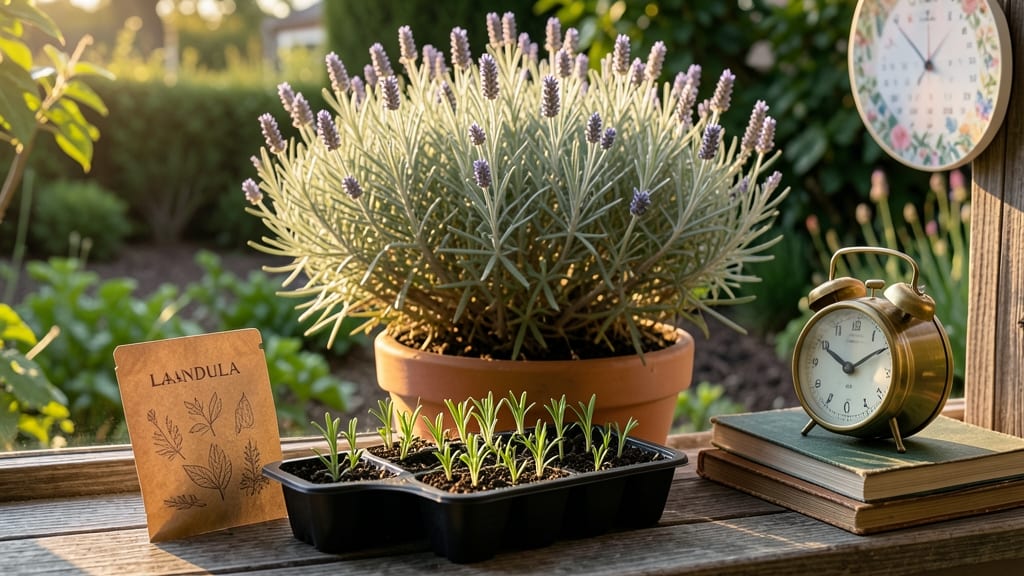
Blooming lavender from seed takes 18 to 24 months, starting with 14–21 days for germination in warm soil (60–70°F) and flowering in the second year. This slow growth means lavender thrives best when planted early and cared for patiently.
Growing lavender from seed is a long-term project that rewards gardeners with fragrant blooms—but only if you understand its natural growth cycle. 🌱 The initial germination phase is the fastest part, with seeds sprouting within two to three weeks when kept consistently moist and warm.
However, the real wait begins after seedlings emerge, as lavender plants focus on building strong root systems and sturdy stems before they allocate energy to flowering.
Many gardeners mistakenly expect blooms within a year, but the plant's biological clock requires at least 12 months of vegetative growth before it's mature enough to produce buds. Choosing fast-maturing varieties like 'Grosso' or 'Hidcote' can shave off a few months, but even these won't bloom before their second summer.
What's fascinating is how lavender's flowering triggers work—it's not just about time, but about environmental cues. Most varieties need 10–12 hours of daylight and a period of cooler temperatures to set flower buds.
This is why lavender grown in warmer climates might bloom earlier than plants in cooler regions, even if they started from seed at the same time. The key takeaway?
If you're impatient, consider starting with nursery-grown plants, which can bloom in their first year, but if you love the challenge of nurturing from seed, embrace the journey and plan your garden around lavender's two-year timeline.
💡 In This Article
- Lavender Seed Germination and Growth Stages to First Flowers
- Speeding Up Lavender Blooms: Pro Tips for Faster Flowering
Lavender seed germination and growth stages to first flowers
The lavender seed's journey to bloom begins with a delicate germination phase that lasts 14–21 days under ideal conditions. This process depends heavily on soil temperature—seeds need consistent warmth between 60–70°F to break dormancy.
The seed coat contains natural inhibitors that require moisture and warmth to soften, allowing the radicle (embryonic root) to emerge first.
Once sprouted, the seedlings enter a critical vegetative growth phase where they focus on developing roots and stems rather than flowers. 🌱 During this stage, lavender plants prioritize energy toward building a robust root system that can anchor them for years, often growing just 1–2 inches in their first month.
After germination, lavender seedlings enter a 6–12 month dormancy-like state where growth slows dramatically. This phase is essential for the plant's survival—it's building a strong structural foundation before flowering.
The plant's height typically reaches 6–12 inches by its first winter, but it won't produce flowers until it's mature enough to support them. What's fascinating is how lavender responds to environmental cues: most varieties need 10–12 hours of daylight and cooler temperatures (50–60°F) in late fall to trigger bud formation.
This biological mechanism explains why lavender grown in Mediterranean climates often blooms earlier than northern-grown plants, even if started from seed simultaneously.
The real magic happens in the second year, when the plant finally allocates energy to flowering. This transition occurs when the plant reaches maturity—typically when it's 12–18 inches tall with a well-established root system.
The flowering process itself takes 4–6 weeks from bud formation to full bloom, but the buds won't even appear until the plant has experienced at least one full growth cycle through winter.
This is why lavender grown from seed almost never blooms in its first year—it's biologically programmed to prioritize survival over reproduction until it's strong enough to sustain flowers.
One common misconception is that lavender flowers appear annually once the plant matures. In reality, lavender's flowering cycle is biennial—meaning it produces flowers every two years if given proper care.
The first flush of blooms in year two is often the most abundant, followed by a smaller bloom in year three. After that, a healthy lavender plant can produce flowers reliably for 10–15 years, though the intensity may diminish slightly over time.
The key to encouraging consistent blooming is maintaining well-draining soil, full sunlight exposure (6+ hours daily), and minimal fertilization—lavender thrives on neglect once established!
For gardeners eager to see blooms sooner, understanding these growth stages is crucial. The 18–24 month timeline isn't arbitrary—it's a biological necessity for lavender to develop the structural integrity needed to support its iconic purple spikes.
Even fast-maturing varieties like 'Grosso' or 'Hidcote' won't bloom before their second summer because they must first complete this foundational growth phase. The good news?
Once you reach the flowering stage, lavender becomes one of the most low-maintenance perennials in your garden, rewarding your patience with years of fragrant beauty. 💜
What most people don't realize is how lavender's growth mirrors its native Mediterranean environment. In the wild, lavender grows in rocky, nutrient-poor soils where competition is fierce. This explains why lavender seedlings grow slowly—they're programmed to conserve energy until they're established enough to compete.
The two-year timeline to first blooms is nature's way of ensuring lavender plants have the strength to survive droughts and poor soil conditions before investing in reproduction. This evolutionary adaptation is why lavender grown from seed often outperforms nursery plants in long-term resilience!