
Blooming
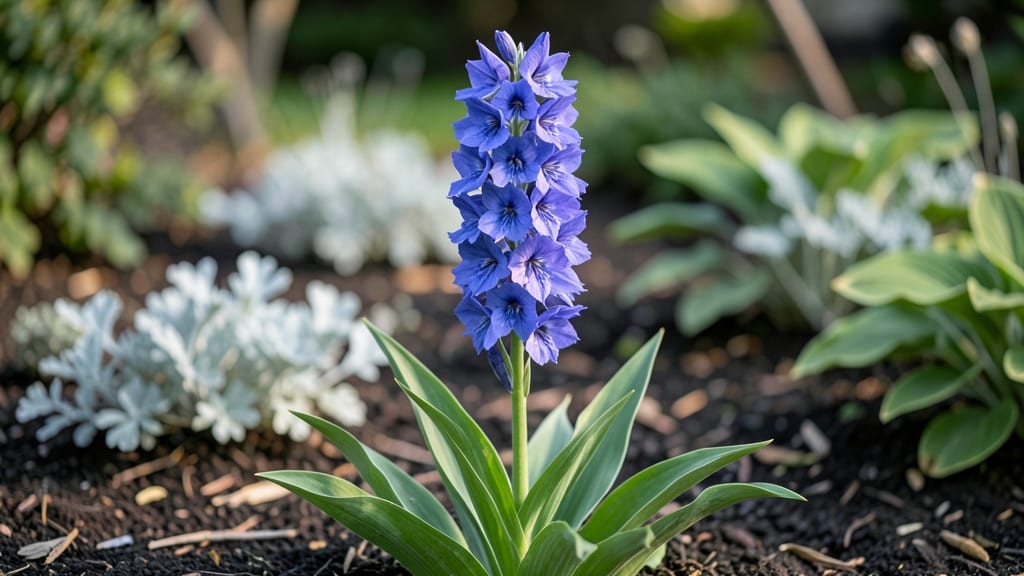
Delphinium flowers bloom from late spring through summer 🌸, with timing that varies wildly depending on your zone, the variety you’ve chosen, and whether you’re coaxing a first flush or a second.
If you’ve ever waited eagerly for those iconic spires of blue, purple, or white—only to be disappointed by late or sparse blooms—you’re not alone. The secret isn’t just patience; it’s knowing when to prune, how heat zones shift your timeline, and which varieties play by their own rules.
In Zone 6a and beyond, most delphiniums kick off their show in June, but early bloomers like ‘Pacific Giant’ can start as early as May, while late-season types stretch into August.
The difference between a garden that pops and one that fizzles often comes down to three simple adjustments—soil prep, pruning triggers, and a little extra love for reblooming.
Here’s how to sync your delphiniums with your garden’s rhythm: which varieties thrive in your zone, when to deadhead for a second wave, and the one mistake that kills blooms faster than drought. Let’s get those spires standing tall.
Delphinium bloom time by variety: when & how long each type flowers
Delphiniums are the drama queens of the garden—tall, striking, and full of personality—but their bloom time can feel like a mystery. Some varieties burst into color early, while others play hard to get.
The truth? Bloom timing depends on whether you’re growing perennial or annual delphiniums, your USDA zone, and even the variety you’ve chosen. Let’s break it down so you can plan your garden like a pro.
Perennial delphiniums, like the beloved ‘Pacific Giant’, typically bloom in late spring to early summer (May–June), with a possible second flush in late summer if conditions are right.
Annual varieties, such as ‘Blue Bird’, often flower slightly earlier (April–May) but fade by midsummer. Dark varieties like ‘Black Night’ may bloom later, especially in cooler climates. Understanding these timelines helps you choose the right varieties for your seasonal color plan.
Here’s the key factor: USDA zones 3–5 (cool climates) see earlier blooms (May–June), while zones 6–9 (warmer regions) may push blooms into June–July to avoid summer heat stress.
Some varieties, like ‘Elfin Skies’, are bred to rebloom, while others, like ‘Blue Lake’, may skip a year if stressed. Let’s dive into the details so you can set your expectations—and your garden—up for success.
The ‘Pacific Giant’ is the poster child for delphiniums, with its 4–6 foot spires of blue and purple blooms. In USDA zones 3–5, it typically blooms in late May to early June, while in zones 6–9, the heat may delay it until June–July.
The good news? With proper pruning (we’ll cover this later), you can coax a second flush in late summer. This variety is heat-sensitive, so mulching and afternoon shade in hot zones can extend its bloom time.
If you love dark delphiniums, ‘Black Night’ is a showstopper—but it’s also one of the latest bloomers. In cooler zones (4–6), expect blooms in June–July, while warmer zones (7–9) may see them pushing into July–August.
The trade-off? Reblooming is rare with this variety, so treat it as a one-and-done spectacle. Pair it with early bloomers like lupines or columbines to stretch your seasonal interest.
Annual delphiniums, like <
Heat zones & pruning triggers: how to extend delphinium bloom season
Delphiniums thrive on timing—literally. Heat zones and pruning triggers can shift their bloom season by weeks, especially in USDA Zones 3–9.
In cooler climates like the Pacific Northwest, delphiniums often bloom in late May to July, while Southern gardens may see flowers as early as April or stretch them into September with the right care. The key? Strategic pruning and heat-zone awareness.
First-flush blooms appear after 60–90 days of growth, but second flushes—if encouraged—can extend your display. For example, my ‘Pacific Giant’ delphiniums in Zone 7 rebloom in August when I deadhead spent spikes immediately after the first flush.
In Zone 5, however, this approach risks stunting growth due to shorter summers.
CRITICAL WARNING: Over-Pruning in Zone 5+
In USDA Zones 5–9, aggressive pruning after the first flush can kill your delphinium’s second bloom. These varieties rely on stored energy from their first flush to fuel reblooming. Instead of cutting back hard, snip only spent flower spikes (never more than 1/3 of the plant’s height) and avoid pruning after July in cooler zones.
To revive ‘lazy’ delphiniums that skip blooms, focus on heat-zone-specific triggers. In Southern climates (Zones 8–9), where summers are long and hot, mulch heavily to retain moisture and prune only after the first frost to prevent stress.
In Northern zones (3–6), prioritize early spring fertilization (high phosphorus) to jumpstart blooms before summer heat sets in.
Deadheading is your secret weapon for second flushes. After the first bloom wave fades, cut spent spikes to the first set of healthy leaves—never the ground. This redirects energy to side shoots.
In my Zone 6 garden, this trick added 3–4 weeks of blooms to my ‘Blue Bird’ delphiniums. Just remember: Never deadhead after mid-summer in cooler zones, or you’ll stunt next year’s growth.
Staking is non-negotiable for heat-zone resilience. Tall delphiniums in Zone 7+ often flop under July humidity or August heat waves. Use soft ties to bamboo stakes to avoid damaging stems.
I’ve seen ‘Black Knight’ delphiniums in Zone 8 wilt completely without support during 90°F+ days—staking kept them upright and blooming.
For Pacific Northwest gardens (Zones 6–8), where summers are mild, focus on late spring pruning to encourage second flushes. Trim back 1/3 of the plant’s height right after the first bloom wave (usually late June) to trigger new growth.
In Southern zones (9–10), delay pruning until September to avoid heat stress and let plants build energy for next year.
Pro tip: Mulch with straw (not wood chips) to regulate soil temps in extreme heat zones. My Zone 9 delphiniums stayed 2 weeks ahead of schedule when I added 3 inches of straw mulch in May.
Pair them with drought-tolerant companions like lavender or salvia to reduce competition for water.