
Blooming
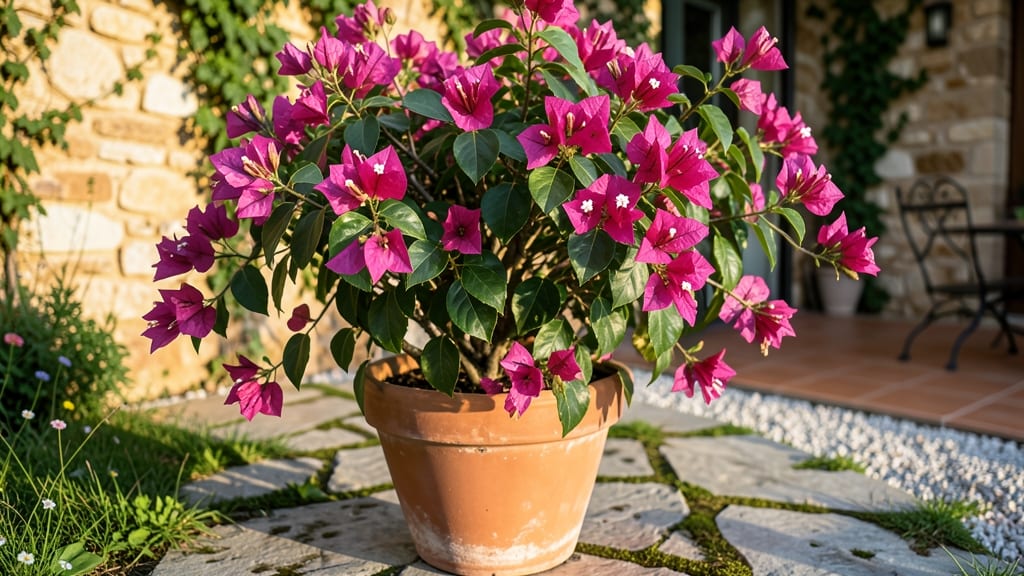
The island bloom bougainvillea brings tropical vibrancy to any garden with its bold, year-round color that needs almost no pruning. 🌺 I fell in love with it when I saw how it transformed a bare fence into a living sunset—magenta, orange, and purple blooms that never quit, even in summer heat.
The secret lies in its carefree nature: it thrives in full sun, tolerates poor soil, and blooms best when slightly stressed, not pampered.
Pair it with coastal favorites like bird of paradise, hibiscus, and salvia for an instant island escape. The key is planting bougainvillea where it gets at least 6 hours of sun daily—it rewards you with nonstop blooms from spring through fall.
For a Mediterranean twist, add lavender and rosemary, while tropical gardens shine with banana plants and palm trees nearby.
You’ll end up with a garden that feels like a vacation, where the bougainvillea’s vibrant hues steal the show. The flowers even make stunning cut arrangements that last weeks in a vase—just snip a handful and watch your home fill with island charm.
It’s the kind of plant that grows more beautiful with age, its thorny vines perfect for trellises or sprawling along walls.
Works equally well in pots for patios or as a climbing star in beds—just give it room to stretch. The best part? It’s drought-tolerant once established, so you’ll spend less time fussing and more time enjoying the view. Ready to bring that island paradise home?
📚 In This Guide
- What you need
- Instructions
- Tips and common mistakes
- Wrapping up and next steps
What you need
- ● Island Bloom Bougainvillea plant: 1 healthy nursery-grown plant (3–5 gallons in size for best results). Look for vibrant magenta, orange, or pink bracts!
- ● Well-draining potting mix: 5–10 gallons (use a cactus/succulent blend or amend garden soil with perlite/pebbles for aeration).
- ● Container or planting site: Containers: 1–2 large pots (12"+ diameter) with drainage holes. Terracotta or fiberglass works best.
- ● Garden beds: Full sun (6+ hours/day) + protection from strong winds.
- ● Slow-release fertilizer: 1 lb of balanced 10-10-10 or bloom-specific formula (e.g., Miracle-Gro Shake ’n Feed).
- ● Pruning shears: Sharp, sterilized shears (for shaping and deadheading).
- ○ Mulch (optional but recommended): 1–2 inches of gravel or bark to retain moisture and deter weeds.
- ● Gloves: Heavy-duty gardening gloves (bougainvillea thorns are serious!).
- ● Watering can or hose: With a gentle spray nozzle (avoid soggy roots!).
- ○ Support structures (optional): Trellis, fence, or obelisk (for climbing varieties).
- ● Stakes or cages (to shape bushy types).
- ○ Epsom salt (optional): 1 tbsp/month for magnesium boosts (especially in sandy soils).
- ● Insecticide (preventative): Neem oil or systemic granules (for aphids/mealybugs).
Step-by-step guide to growing a thriving bougainvillea
Here's how to coax those stunning island blooms into your own yard with just a few key moves!
🌱 Step 1: Choose the Perfect Sunny Spot
Bougainvillea craves full sun—at least 6-8 hours daily—to produce its vibrant blooms. I always pick the sunniest, most protected area near my house wall or fence, where it gets morning sun and afternoon shade if needed. The plant's papery bracts (the colorful parts) need intense light to develop their signature hues.
Check your yard's microclimates: South-facing walls or fences are ideal. If your space only gets partial sun, don't worry—bougainvillea will still grow, but the blooms may be less vibrant. You'll see the plant start to lean toward the light within weeks, so rotate it occasionally for balanced growth.
☀️ Step 2: Plant in Well-Draining Soil
Use a fast-draining cactus/succulent mix or amend your native soil with 50% perlite or coarse sand to prevent root rot. I dig a hole twice as wide as the root ball but only as deep as the container it came in—bougainvillea roots spread wide but stay shallow. The plant thrives in slightly alkaline soil (pH 6.0-7.5), so add a handful of crushed limestone if your soil tests acidic.
Gently remove the plant from its container and loosen any circling roots with your fingers. Place it in the hole so the top of the root ball sits 1 inch below soil level—this helps prevent stem rot. Backfill with your amended soil mix, pressing lightly to eliminate air pockets. Water deeply right after planting to settle the soil around the roots.
💧 Step 3: Water Deeply but Infrequently
Bougainvillea is incredibly drought-tolerant once established, so I water mine deeply every 7-10 days during dry spells, letting the soil dry completely between waterings. Overwatering is the #1 killer—you'll know it's time when the top 2-3 inches of soil feel dry to touch. The plant's thick, leathery leaves store water, so it can handle brief dry periods better than soggy conditions.
For the first 4-6 weeks after planting, keep the soil consistently moist (but not soggy) to help roots establish. You'll see new growth emerge within 2-3 weeks if moisture is right. Once established, bougainvillea thrives with minimal watering—just enough to keep it alive during extreme drought.
✂️ Step 4: Prune Strategically for More Blooms
Prune bougainvillea after flowering season (late winter to early spring) to shape the plant and encourage dense growth. I use clean, sharp pruners to cut back 1/3 of the plant's length, focusing on leggy stems and crossing branches. Always prune just above a leaf node or growth point—this is where new branches will sprout.
Don't over-prune! Bougainvillea blooms on old wood, so heavy pruning too early in the season removes potential flower buds. You'll see fresh green growth emerge within 2-3 weeks of pruning, signaling the plant is responding well. For a bushier look, pinch back new growth tips when they're about 6 inches long—this encourages branching.
🌿 Step 5: Fertilize Lightly for Continuous Blooms
Feed bougainvillea every 6-8 weeks during the growing season with a balanced, water-soluble fertilizer (10-10-10 or 20-20-20) diluted to half-strength. I skip winter fertilizing since growth slows dramatically. The key is consistency—too much fertilizer causes leafy growth at the expense of blooms, while too little results in sparse flowering.
You'll know you're doing it right when you see vibrant new growth and blooms appearing 2-3 weeks after fertilizing. For even more blooms, I switch to a low-nitrogen, high-phosphorus fertilizer (like 5-10-10) in late summer to encourage flowering. Always water thoroughly before and after fertilizing to prevent root burn.
Tips & tricks for perfect island bloom bougainvillea
These game-changing insights will help you transform your bougainvillea into a nonstop flowering powerhouse—no green thumb required!
Light Strategy: If your bougainvillea isn't getting the full 6-8 hours of sun it craves, don't despair! I've seen dramatic improvements by moving plants to south-facing walls or using reflective surfaces like white walls to bounce extra light onto the plant. Even a few extra hours of sunlight can make those vibrant bracts pop with color. For container growers, rotate your plant every few weeks to ensure even light exposure all around.
Soil Secret: The fast-draining soil mix is non-negotiable for bougainvillea health. I always add an extra handful of perlite to my cactus mix—this creates air pockets that prevent root rot while allowing water to drain quickly. Pro tip: Test your soil's drainage by pouring water into a container—if it takes more than 10 minutes to drain, add more perlite or sand. The goal is soil that feels like a damp sponge, not a soggy mess.
Watering Wisdom: Those first 4-6 weeks after planting are critical for root establishment. I set a reminder to check soil moisture every 3-4 days during this period—stick your finger 2-3 inches deep. If it feels dry, water deeply until water runs out the drainage holes. After establishment, let the soil dry completely between waterings—your bougainvillea will thank you with more blooms and fewer yellow leaves.
Pruning Payoff: When you're cutting back that 1/3 of the plant in late winter, think of it as a reset button for your bougainvillea. I always make my cuts just above a leaf node where three leaves meet—this is where new growth will emerge most vigorously. For a bushier plant, pinch off those 6-inch growth tips as they appear during the growing season. You'll be amazed at how quickly your bougainvillea transforms from leggy to lush!
Pro Tips for Island Bloom Bougainvillea
- These game-changing insights will help you transform your bougainvillea into a nonstop flowering powerhouse—no green ...
- Light Strategy: If your bougainvillea isn't getting the full 6-8 hours of sun it craves, don't despair! I've seen dra...
- Soil Secret: The fast-draining soil mix is non-negotiable for bougainvillea health. I always add an extra handful of ...
Frequently asked questions
What’s the best climate for growing Island Bloom Bougainvillea?
Island Bloom thrives in USDA Zones 9–11, where it can grow outdoors year-round. In cooler climates (Zones 8 or below), treat it as an annual or overwinter it indoors near a sunny window. It loves heat, full sun (6+ hours daily), and well-draining soil—think tropical vibes!
How often should I water my Island Bloom Bougainvillea?
Water deeply but infrequently—about once a week during hot, dry spells (more in extreme heat). Let the top 2–3 inches of soil dry out between waterings to prevent root rot. Overwatering is the #1 killer, so err on the side of drought tolerance. Pro tip: Mulch around the base to retain moisture.
Does Island Bloom Bougainvillea really need minimal pruning?
Yes! Prune lightly to shape it or encourage bushier growth, but avoid heavy cuts—this plant blooms on new wood. Trim back leggy stems after flowering to promote compact growth. Warning: Wear gloves; thorns are sharp! For best results, prune in late winter or early spring before new growth starts.
Why aren’t my Island Bloom Bougainvillea flowers as vibrant as they should be?
Dull or sparse blooms often mean too much shade, over-fertilizing (especially with high-nitrogen), or inconsistent watering. Move it to full sun, switch to a balanced bloom booster fertilizer (like 10-10-10), and water consistently. Bonus: A light trim can also trigger more flowers!
Can I grow Island Bloom Bougainvillea in containers, and what size pot do I need?
Use a 5–7 gallon pot with drainage holes for mature plants (smaller pots for young ones). Ensure the container is wide enough for roots to spread—bougainvillea hates being root-bound. Repot every 2–3 years or when roots circle the pot. Container tip: Elevate pots to improve drainage and airflow.
What pests should I watch for with Island Bloom Bougainvillea?
Keep an eye out for mealybugs, spider mites, and scale. Wipe leaves with soapy water or spray with neem oil for mild infestations. Prevention tip: Inspect new plants before bringing them home, and avoid overcrowding to reduce pest risks.
Wrapping up and next steps
The Island Bloom Bougainvillea is a stunning, low-maintenance plant that rewards gardeners with year-round color and resilience—perfect for tropical or Mediterranean climates! 🌺 Its vibrant blooms and minimal pruning needs make it an ideal choice for both beginners and seasoned gardeners alike.
Ready to bring this beauty into your garden? Start by selecting the right location, gathering your tools, and following the care tips shared above. With a little patience and love, you’ll enjoy a lush, blooming paradise that thrives with minimal effort!