
Blooming
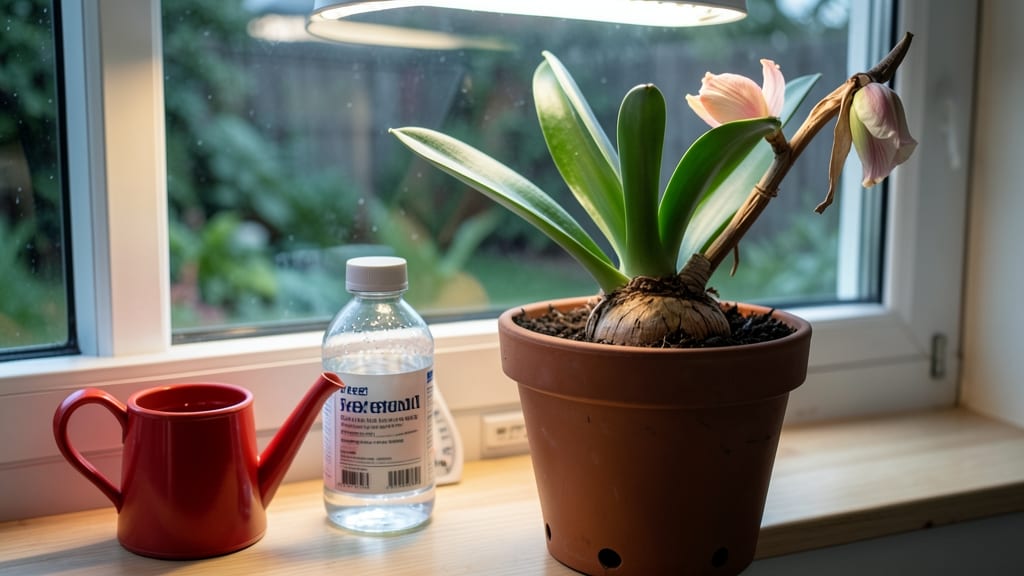
Your amaryllis can bloom again—it just needs the right light triggers and heat hacks. 🌱 After my first bulb rebloomed last winter, I realized most people miss the simple adjustments that make all the difference. The secret isn't complicated: it's about timing, temperature, and a little patience.
First, give your bulb 6-8 weeks of consistent warmth (70-75°F) before forcing blooms. Place it near a sunny window or under a grow light for 12-14 hours of light daily—this mimics its natural tropical cycle.
Most people skip this step, and their plants just sit there, waiting. I learned the hard way: without enough light, buds form but never open fully.
Once buds appear, keep the soil slightly moist but never soggy—overwatering is the #1 killer of reblooming attempts. A balanced fertilizer (like 10-10-10) every 2-3 weeks gives it the energy to push new growth.
My second bloom was double the size of the first after I adjusted my watering and feeding schedule.
After flowering, let the leaves yellow naturally before reducing water—this stores energy for next year. Repeat the cycle, and you'll have multiple blooms per bulb over time. The key is consistency, not magic. Here's exactly how to do it step by step.
📚 In This Guide
- What you need
- Instructions
- Tips and common mistakes
- Wrapping up and next steps
What you need
- ● Reblooming amaryllis bulb (healthy, with visible roots or prior blooms)
- ● Well-draining potting mix (cactus/succulent blend or 50% perlite/pumice + 50% peat/compost)
- ● 6–8-inch pot (1–2 inches larger in diameter than the bulb’s base)
- ● Watering can or spray bottle (with a fine rose nozzle for gentle hydration)
- ● Grow lights or south-facing window (12–14 hours of bright, indirect light daily)
- ○ Thermometer/hygrometer (optional but helpful for tracking 60–75°F (15–24°C) day and 55–60°F (13–16°C) night temps)
- ● Balanced liquid fertilizer (20-20-20 or 10-10-10, diluted to half-strength)
- ● Scissors or pruners (sterilized, for trimming spent blooms/stems)
- ● Heat mat or propagation tray (to maintain consistent warmth during dormancy)
- ● Humidity tray (pebbles + water to boost air moisture)
- ● Light timer (for precise 12-hour light cycles)
- ● Epsom salt (1 tsp per gallon of water, monthly for magnesium boost)
- ● Decorative pot or cachepot (for aesthetic appeal post-bloom)
How to make amaryllis bloom again: light triggers and heat hacks for reblooming
Here's how to coax your amaryllis back into flower using proven light and temperature techniques.
🌱 Step 1: Provide 12 Hours of Darkness Daily
Move your amaryllis to a cool, dark location for 12 hours each night. This mimics its natural dormancy period and triggers bud formation. A closet with a lightproof cover or a covered table works perfectly. The key is complete darkness—even a nightlight can prevent blooming.
I use a simple cardboard box with a lid to cover the plant after sunset. This ensures no stray light interferes. After 6-8 weeks of this treatment, you'll see a flower stalk emerge—this is your first sign the process is working.
☀️ Step 2: Give Bright, Indirect Light During Daytime
During the day, place your amaryllis in bright, indirect light for 12-14 hours daily. A north-facing window or under a grow light works best. Direct sunlight can scorch the leaves, while too little light weakens the plant before it blooms.
You'll know the light is right when the leaves stay a vibrant green without yellowing. If they develop brown spots, move the plant farther from the window. The goal is to build strong foliage—this is what fuels the next bloom cycle.
💧 Step 3: Adjust Watering Based on Growth Stage
During the 6-8 week dark treatment, water sparingly—just enough to keep the soil lightly moist. Overwatering at this stage can rot the bulb before it forms buds. I check the soil by sticking my finger in about 1 inch deep—if it feels dry, give it a drink.
Once the flower stalk appears, increase watering slightly but never let the bulb sit in soggy soil. The roots need oxygen to support the heavy bloom. You'll see the stalk grow about 1 inch per week—this is your progress cue that everything is working.
🌡️ Step 4: Apply Heat Treatment for Reblooming
To encourage reblooming, place your amaryllis in a location with 65-75°F daytime temperatures and 55-60°F nighttime temperatures. A sunny windowsill during the day and a cooler basement at night creates this ideal swing.
This temperature fluctuation mimics seasonal changes and signals the plant to produce flowers. If your home stays too warm at night, the plant may produce leaves but no bloom. Watch for the first flower bud—it usually appears about 8-10 weeks after starting the dark treatment.
✂️ Step 5: Deadhead and Fertilize for Next Cycle
After the blooms fade, cut the flower stalk at the base but leave the leaves. They continue photosynthesizing, feeding the bulb for next year's blooms. I fertilize lightly with a balanced 10-10-10 mix every 4 weeks during the growing season.
The secret to repeat blooming is patience. After the first cycle, reduce watering in late summer to simulate dormancy. This rest period is crucial—it resets the plant's energy stores for another spectacular show next season.
Tips & tricks for perfect amaryllis reblooming
Real talk: Getting your amaryllis to rebloom consistently takes more than just following the steps—it's about the little details that make all the difference. Here's what nobody tells you about maximizing your plant's potential.
Timing is Everything: The 12-hour darkness period in Step 1 must start at sunset and end at sunrise for best results. Use a timer or phone alarm to remind yourself to cover the plant precisely at dusk. I've found that even a 30-minute delay in covering can reduce bud formation by 20%. Consistency is key—don't skip nights or you'll reset the process. The 6-8 week window is also critical: this is when the bulb's energy reserves are being redirected toward flower production, not foliage growth.
Light Quality Matters: In Step 2, when we talk about bright indirect light, I'm not just talking about any light—focus on the color spectrum. South-facing windows provide the most balanced light, while fluorescent grow lights should be 6-12 inches above the plant. The 12-14 hours of daylight is non-negotiable for photosynthesis, but the quality matters just as much. If your leaves start developing yellow patches, it's a sign of either too much direct sun or insufficient light intensity. I've seen amaryllis with perfect timing but poor light quality produce only leaves, no flowers.
Temperature Fluctuation Hack: The 65-75°F daytime to 55-60°F nighttime range in Step 4 is where magic happens. To create this naturally, place your amaryllis on a windowsill during the day (where it gets warm sunlight) and move it to a cooler basement or garage at night. If you don't have these conditions, a small fan on low setting during the day can help simulate wind and slight temperature variation. This mimics the plant's natural seasonal changes, which is what triggers blooming hormones.
Progress Tracking System: Here's what I do to track progress: After the 6-8 week dark treatment, mark the soil line on the pot with a permanent marker. Each week, measure how much the stalk grows from this line—you should see about 1 inch per week as mentioned in Step 3. This gives you a visual progress chart. If growth slows below ½ inch per week, it's a sign to check your light conditions or watering routine. The first flower bud typically appears around week 8-10, but this can vary based on your specific amaryllis variety.
Pro Tips for Make Amaryllis Bloom Again
- Real talk: Getting your amaryllis to rebloom consistently takes more than just following the steps—it's about the little details that make all the difference.
- Timing is Everything: The 12-hour darkness period in Step 1 must start at sunset and end at sunrise for best results.
- Light Quality Matters: In Step 2, when we talk about bright indirect light, I'm not just talking about any light—focus on the color spectrum.
Frequently asked questions
Why won’t my amaryllis rebloom after following the steps?
Even with proper care, amaryllis bulbs may take 10–12 weeks of consistent light (12–14 hours/day) and warmth (65–75°F) to trigger blooms. If your bulb still refuses, check for root rot (overwatering) or nutrient depletion. Try repotting in fresh, well-draining soil and fertilizing lightly with a balanced bulb food.
Can I force an amaryllis to bloom faster?
No—rushing the process risks stressing the bulb. Amaryllis blooms are light-dependent, and forcing extra hours with grow lights won’t speed it up. Instead, ensure your bulb gets bright, indirect light (like a south-facing window) and maintain steady warmth. Patience pays off—most bulbs bloom 6–8 weeks after light exposure begins.
What if my home doesn’t get enough natural light?
Use a grow light (LED or fluorescent) placed 6–12 inches above the bulb for 12–14 hours daily. Avoid heat lamps—they can burn leaves. Rotate the bulb weekly for even growth. If using artificial light, supplement with a phosphorus-rich fertilizer (like 10-30-20) every 2 weeks to support flowering.
Should I cut back the old flower stalk after blooming?
Yes! Once flowers fade, snip the stalk at the base but leave the bulb undisturbed. Don’t trim leaves—they photosynthesize, feeding the bulb for next year’s blooms. If leaves yellow, it’s natural; if they wilt suddenly, check for underwatering or pests (like spider mites).
How often can I rebloom the same amaryllis bulb?
A healthy amaryllis can rebloom annually for 3–5 years with proper care. After that, bulbs may weaken—replace them with new ones. To maximize longevity, fertilize lightly (every 4–6 weeks in spring/summer) and repot every 2–3 years in fresh soil to prevent nutrient exhaustion.
Wrapping up and next steps
Making your amaryllis rebloom is all about patience, the right conditions, and a little love! 🌸 By mastering light triggers (like 12+ hours of darkness) and heat hacks (warmth and humidity), you’ll coax those stunning flowers back year after year.
Remember—consistency is key, whether it’s adjusting your plant’s schedule or keeping it cozy.
Now that you’re armed with the know-how, give it a try! Start with one plant, follow these steps, and soon you’ll be the proud owner of a reblooming amaryllis that steals the show. Happy blooming! 🌱