
Blooming
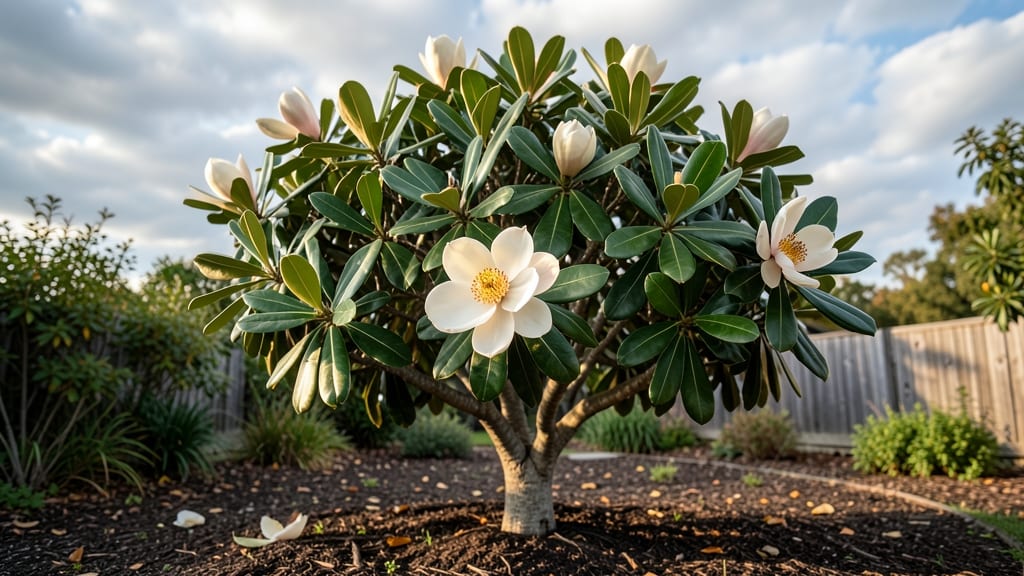
The Jane Magnolia bloom time is one of the most anticipated moments for gardeners, especially when those fragrant 🌸 flowers transform your yard into a springtime paradise.
If you’ve planted a Jane Magnolia and can’t wait to see its stunning blooms, timing is everything—especially when different varieties and climates shift bloom windows dramatically. Knowing exactly when to expect flowers by hardiness zone could mean the difference between a breathtaking spring display and months of waiting.
For most gardeners in USDA Zone 6a, like where I live, the Jane Magnolia typically blooms in late April to early May, just as the last frost passes.
But if you’re in a warmer zone, you might see those delicate blooms as early as March, while cooler zones could delay them until June.
Below, I’ll break down everything you need to know—from how to predict bloom time based on bud formation to how climate and care affect when (and how hard) your Jane Magnolia puts on its floral show.
Jane Magnolia bloom time by variety: when to expect flowers
If you’ve planted a Jane Magnolia, you’re likely eager to see its stunning blooms—especially since different varieties bloom at different times. The classic Magnolia grandiflora 'Jane' typically flowers in late spring to early summer, but other cultivars like 'Little Gem' and 'Black Tulip' have unique bloom windows.
Understanding these differences helps you plan for the best viewing experience and adjust care accordingly.
Bloom timing isn’t just about the variety—it’s also influenced by your hardiness zone and local climate. Warmer zones (like USDA Zone 8-9) often see earlier blooms, while colder zones (like Zone 6-7) may have delayed or shorter bloom periods.
Even within the same variety, a mild winter can trigger earlier bud formation, while a harsh freeze might push blooms later.
Below, I’ve broken down the bloom times for popular Jane Magnolia cultivars, including key visual cues like bud swelling and leaf emergence to help you predict when your tree will burst into color.
Whether you’re growing the fragrant 'Jane' or the compact 'Little Gem', knowing these details ensures you won’t miss a single bloom.
🌸
For 'Jane' and similar varieties, watch for bud swelling in early spring as your first clue. The buds will gradually enlarge over 4–6 weeks before bursting into blooms.
In Zone 7–9, this process often starts as early as March, while in Zone 6 or cooler, it may delay until April or even May.
If you’re growing 'Little Gem' or 'Black Tulip', their later bloom times mean you’ll need to be extra vigilant. These varieties often bloom in late spring to early summer, so keep an eye out for bud formation in April.
The dark foliage of 'Black Tulip' makes its buds especially noticeable against the green leaves.
Pro tip: If your Jane Magnolia isn’t blooming on schedule, check its sunlight exposure and watering habits. These trees thrive in full sun (6+ hours daily) and consistent moisture, especially during bud formation.
Overwatering or poor drainage can stress the tree and delay blooms, while pruning at the wrong time (like cutting back in late winter) can also disrupt flowering.
🌿
Once you’ve identified your variety and its typical bloom window, you can plan for the best viewing experience. For example, 'Southern Sun' is perfect for early spring gardeners, while 'Black Tulip' adds drama in midsummer.
If you’re in a cooler zone, consider mulching around the base of your tree in late winter to protect roots and encourage earlier bud formation.
Finally, remember that first-year plants may not bloom at all—they often focus on root and leaf growth. Patience is key! With the right care, your Jane Magnolia will reward you with fragrant, show-stopping blooms year after year.
How hardiness zones affect Jane Magnolia bloom timing
The Jane Magnolia (Magnolia grandiflora 'Jane') is a showstopper with its fragrant white blooms, but its bloom timing shifts dramatically depending on your USDA hardiness zone.
In warmer zones (7–9), expect blooms as early as February or March, while colder zones (3–6) may delay flowers until late April or May. Understanding these shifts helps you plan for the best viewing experience and adjust care accordingly.
Temperature triggers are key—consistent daytime temps above 50°F signal buds to open. In Zone 3–5, late frosts can delay blooming until after last frost dates, while Zone 6–9 gardeners often enjoy earlier displays.
Even within a zone, microclimates (like urban heat islands) can push blooms 1–2 weeks earlier.
- 📍 Zones 3–5: Blooms late April–May after last frost; cold snaps delay buds.
- 📍 Zones 6–7: Peak blooms in March–early April; early varieties may bloom in February.
- 📍 Zones 8–9: February–March blooms; longer bloom season due to milder winters.
- 💡 Pro Tip: Mulch heavily in Zones 3–6 to protect roots and encourage earlier blooms.
- ⏰ Watch for: Bud swell in late winter—a sign blooms are 4–6 weeks away.
If you’re in a cooler zone (3–6) and want to force earlier blooms, try these tricks: Apply a thick layer of mulch in fall to insulate roots, and water deeply in late winter to stimulate growth.
Some gardeners also plant near a south-facing wall to capture extra heat. Just avoid over-fertilizing, as this can delay flowering.
In warmer zones (7–9), blooms may arrive so early that late frosts can damage flowers. To mitigate this, prune lightly after blooming to encourage stronger new growth for next season.
Also, avoid heavy pruning—this can reduce next year’s flower count. Focus on removing dead branches and shaping only when necessary.
For container-grown Jane Magnolias, bloom timing can vary even more. Pots dry out faster, stressing roots and delaying blooms by 2–3 weeks compared to in-ground plants. If you’re growing yours in a container, use a large pot (20+ gallons) and water consistently to mimic ground conditions.
Move containers to a protected spot if frost threatens.
No matter your zone, patience is key. Young trees (under 5 years) may bloom sparingly or not at all—focus on healthy root growth first. Once established, your Jane Magnolia will reward you with months of fragrant blooms, making every zone’s wait worthwhile. 🌿