
Blooming
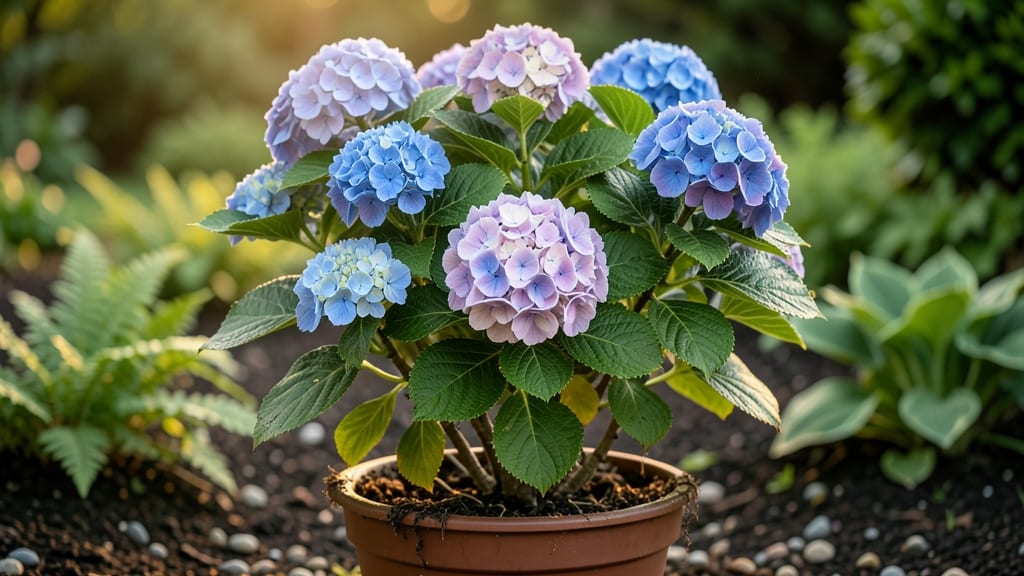
Your hydrangeas’ bloom color isn’t set in stone—it shifts with soil pH, and I’ve learned how to coax everything from deep blues to fiery pinks. 🌸 The secret lies in understanding your variety (mophead vs. lacecap) and when to adjust pH for the most dramatic seasonal changes.
Most hydrangeas need soil pH between 5.2 and 6.2 for blue blooms, while 6.0–7.0 leans pink. Test your soil first—my first attempt at turning pink blooms blue failed because I didn’t account for my clay-heavy soil’s natural alkalinity. A simple pH test kit (around $10) solves the guesswork.
By late spring, when buds form, you’ll see color shifts within 2–3 weeks of adjusting pH. For lacecaps, focus on the outer petals—they’re the most responsive. Mopheads? The whole cluster will change, but patience is key—some varieties take two full seasons to fully adjust.
Troubleshooting tip: If colors stay stubborn, check your water—hard water can undo pH adjustments. And remember, aluminum in the soil (common in acidic soils) is what creates those signature blues, so don’t skip the soil test. Let’s get those blooms popping!
📚 In This Guide
- What you need
- Instructions
- Tips and common mistakes
- Wrapping up and next steps
What you need
- ● Hydrangeas: Choose macrophylla (bigleaf), paniculata (panicle), or oakleaf varieties for the most dramatic color changes. 🌿 1–3 mature plants (per variety) for experimentation
- ● Young plants (1–2 years old) for faster results
- ● Soil pH Test Kit: Digital or liquid test strips (e.g., Luster Leaf or MySoil) for accuracy.
- ● pH Adjusters: Aluminum sulfate (for acid-loving varieties like macrophylla): 1–2 lbs per 100 sq ft
- ● Lime (calcium carbonate) (for blue-to-pink shifts): 1–2 lbs per 10 sq ft
- ● Garden tools: Trowel or hand fork (for soil amendments)
- ● Gloves (to protect hands from soil/pH adjusters)
- ● Watering can or hose (with adjustable nozzle)
- ● Fertilizer: Balanced 10-10-10 or acidic azalea/camellia fertilizer (1 tbsp per plant, monthly during growing season).
- ● Mulch: Pine bark or peat moss (2–3 inches thick) to retain moisture and acidity.
- ● Color chart: Printable guide (e.g., Proven Winners hydrangea color wheel) for tracking shifts.
- ● Sunlight: Partial shade (4–6 hours/day) for macrophylla; full sun for paniculata.
- ● Water: Consistent moisture (1–2 inches per week; drought stress = muted colors!).
- ● Patience: Color changes take 4–6 weeks after pH adjustments.
How to control and shift hydrangea bloom colors naturally
Unlock vibrant color changes in your hydrangeas by understanding soil chemistry and seasonal adjustments.
🌿 Step 1: Identify Your Hydrangea Variety and Its Color Range
Hydrangeas fall into two main color-changing categories: mophead and lacecap varieties, which respond to soil pH, and non-pH-sensitive types like Hydrangea paniculata, which shift based on sunlight exposure. I always check the plant tag first—some varieties like 'Endless Summer' can produce blue or pink blooms depending on soil acidity, while 'Limelight' will naturally turn greenish-yellow in fall regardless of pH.
The key is observing bloom color over time. If your hydrangeas start pink in spring and darken to deep blue by summer, they're likely pH-sensitive. Note the first flush of blooms—this tells you the baseline color before seasonal shifts begin. For example, 'Nikko Blue' begins as soft lavender before deepening to royal blue in full sun.
💧 Step 2: Adjust Soil pH for Blue or Pink Blooms
For blue blooms, aim for soil pH between 5.0 and 5.5—this is acidic enough to activate aluminum ions, which hydrangeas absorb to produce blue pigments. I use elemental sulfur (½ cup per plant) worked into the top 6 inches of soil in early spring. Water thoroughly to activate the reaction—you'll see results in the second flush of blooms that summer.
For pink blooms, raise the pH to 6.0 or higher using hydrated lime (¼ cup per plant). Sprinkle it evenly around the root zone and water in. The shift happens gradually, so monitor blooms every 2-3 weeks after application. If your soil is already alkaline, avoid overcorrecting—hydrangeas need 6 months to fully adjust their color chemistry.
☀️ Step 3: Leverage Seasonal Sunlight for Natural Shifts
Sunlight exposure triggers temporary color changes in all hydrangeas, especially Hydrangea paniculata varieties. Move plants to morning sun with afternoon shade in summer to prevent bleaching—direct afternoon sun can turn blooms dull brown by late season. I rotate my 'Little Lime' hydrangea quarter-turn weekly to ensure even sunlight distribution and prevent one-sided fading.
Fall brings the most dramatic shifts: greenish-yellow blooms on 'Limelight' deepen to crimson, while 'Vanille Fraise' turns soft pink before drying to a warm terracotta. This happens naturally as chlorophyll breaks down—no intervention needed. If you want to preserve fall color, avoid pruning until after the first hard frost when blooms have fully matured.
✂️ Step 4: Prune Strategically to Encourage Colorful Regrowth
Prune mophead and lacecap hydrangeas in late winter or early spring (before buds swell) to remove dead wood and shape the plant. Cut back old wood (last year's growth) to 2-3 inches above the first set of buds—this ensures new stems produce the brightest blooms. Avoid pruning in fall, as it removes next year's flower buds.
For panicle hydrangeas like 'PeeGee', prune in late winter to remove last year's blooms and stimulate new growth that will produce larger, more vibrant flowers. The new stems emerge lighter green and develop color as they mature. If you see weak, leggy growth, it means you pruned too late—wait until buds are visible before cutting.
🌱 Step 5: Feed and Mulch for Consistent Color Vibrancy
Apply a balanced fertilizer (10-10-10) in early spring when new growth begins, then switch to an acid-loving plant formula (like 8-3-9) in mid-summer to support late-season blooms. I mix ½ cup of compost into the soil around the root zone to provide slow-release nutrients—this prevents sudden color spikes that fade quickly.
Mulch with 2-3 inches of pine bark or wood chips in early spring to maintain acidic soil conditions and retain moisture. Replenish mulch in fall to protect roots during winter. Avoid synthetic mulches—they can alter soil chemistry unpredictably. Watch for yellowing leaves in spring, which signals over-fertilization or poor drainage—both will dull bloom colors.
Tips & tricks for stunning hydrangea color transitions
Here's the secret to unlocking your hydrangeas' full color potential without guessing—these are the details that make all the difference.
Variety-Specific Timing: The first flush of blooms in Step 1 reveals everything about your hydrangea's color potential. For pH-sensitive varieties like 'Endless Summer', observe whether blooms start pink or blue—this tells you your baseline pH. If they begin soft lavender (like 'Nikko Blue'), you're likely in neutral territory and can push toward blue with the ½ cup of elemental sulfur in Step 2. The key is monitoring these early blooms before making adjustments.
pH Adjustment Precision: When applying the ½ cup of elemental sulfur for blue blooms in Step 2, work it into the top 6 inches of soil and water thoroughly—this activates the acidification process. For pink blooms, the ¼ cup of hydrated lime should be sprinkled evenly around the root zone, not dumped in one spot. Both amendments need time to integrate: expect gradual changes over 6 months, not overnight. I test soil pH annually in late winter to track progress.
Sunlight Strategy: The quarter-turn weekly rotation I use with my 'Little Lime' hydrangea in Step 3 prevents uneven sunlight exposure that causes one-sided fading. For panicle varieties like 'Limelight', morning sun with afternoon shade is crucial—direct afternoon sun accelerates chlorophyll breakdown, turning blooms brown prematurely. If you notice dull brown edges, move the plant or provide afternoon shade immediately.
Pruning Cues: The weak, leggy growth mentioned in Step 4 is your plant's way of saying "I was pruned too late." Always wait until you see visible buds before cutting—this ensures you're not removing next year's flowers. For mophead varieties, the 2-3 inch cut above the first set of buds creates the perfect balance between shape and vibrant blooms. I mark my pruning spots with a pencil before cutting to maintain consistency.
Pro Tips for Hydrangea Bloom Color
- Here's the secret to unlocking your hydrangeas' full color potential without guessing—these are the details that make...
- Variety-Specific Timing: The first flush of blooms in Step 1 reveals everything about your hydrangea's color potentia...
- pH Adjustment Precision: When applying the ½ cup of elemental sulfur for blue blooms in Step 2, work it into the top ...
Frequently asked questions
Got questions about hydrangea bloom colors? You’re not alone! Here are answers to the most common queries—from curious gardeners and seasoned plant parents alike.
Why do my hydrangea flowers change color?
Hydrangea bloom colors shift due to soil pH (for macrophylla types) or natural aging (for paniculata or oakleaf varieties). Blue hues thrive in acidic soil (pH 5.5–6.0), while pink blooms love alkaline soil (pH 6.0–7.0). Test your soil and amend with lime (to raise pH) or sulfur (to lower it) for dramatic color control!
When do hydrangeas bloom, and how long do the colors last?
Blooming seasons vary by type:
- Bigleaf (macrophylla): Late spring to summer (May–July), with colors lasting 6–8 weeks unless deadheaded.
- Panicle (paniculata): Mid-to-late summer (July–September), with blooms often aging from green to pink/red.
- Oakleaf (quercifolia): Summer to fall (June–October), with fiery red/purple hues in autumn.
Pro tip: Prune spent blooms in late winter to encourage longer, brighter displays the next season!
Can I force my hydrangeas to bloom a specific color?
Yes! For macrophylla types, adjust soil pH:
- Blue blooms: Add sulfur or pine needles (acidic).
- Pink blooms: Mix in wood ash or crushed eggshells (alkaline).
- Purple: Neutral pH (6.0–6.2) creates lavender-gray tones.
For paniculata or oakleaf, color changes are natural—embrace the seasonal show!
My hydrangea flowers are dull or fading—what’s wrong?
Dull blooms often signal stress. Check these fixes:
- Water consistently: Wilting or crispy edges mean under/over-watering.
- Feed with acid-loving fertilizer: Use a hydrangea-specific formula in spring.
- Prune properly: Cut back macrophylla after blooming; paniculata in late winter.
- Sunlight: Most need morning sun + afternoon shade to prevent leaf scorch.
If blooms drop early, pests (like aphids) or bacterial wilt may be the culprit—inspect leaves and treat accordingly.
What’s the easiest hydrangea for color changes?
If you love low-maintenance color shifts, try:
- ‘Endless Summer’ (macrophylla): Reblooms all season; pH-sensitive for blue/pink.
- ‘Limelight’ (paniculata): Starts green, matures to creamy pink/red—no pH fuss!
- ‘Annabelle’ (macrophylla): Classic white blooms that stay bright with minimal care.
For bold autumn drama, oakleaf hydrangeas like ‘Snow Queen’ offer white-to-purple transformations!
Wrapping up and next steps
Mastering the art of hydrangea bloom colors is all about understanding your plant’s variety, soil pH, and seasonal cues—plus a little patience! 🌸 Whether you’re chasing blue, pink, or purple hues, the key lies in observation and adjustment.
With the right techniques, you’ll transform your garden into a vibrant canvas of color shifts that evolve with each season.
Ready to dive deeper? Experiment with a few varieties this year—start small, track your progress, and soon you’ll be the neighborhood hydrangea whisperer! 🌿 Grab your pH tester and get growing!