
Blooming
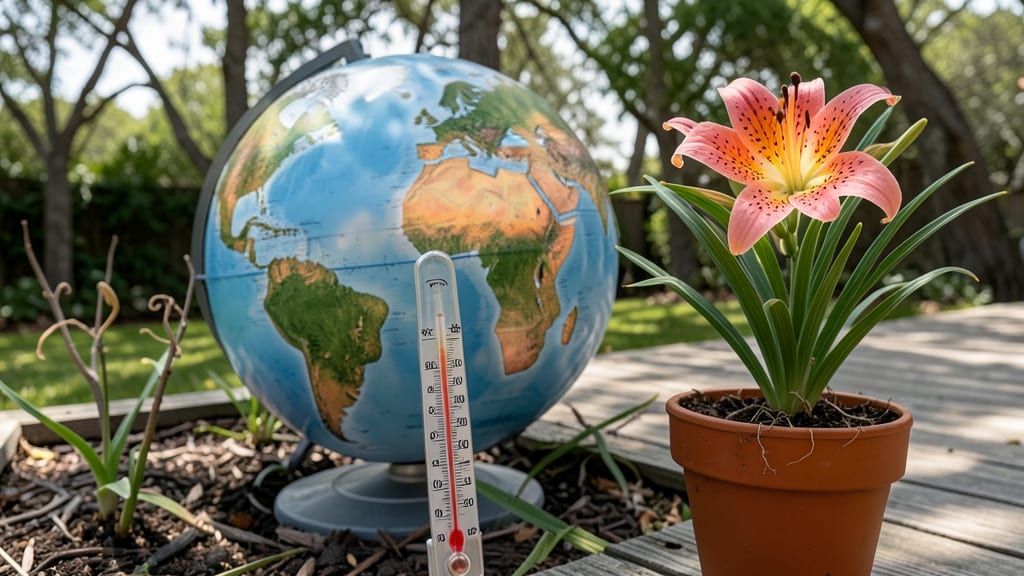
Lilies do not bloom all year—their flowering cycles depend entirely on the variety and climate. Most lilies bloom seasonally, typically in late spring to early summer, while tropical lilies may flower intermittently in warmer regions. Proper care and species selection determine bloom timing.
Lilies follow nature's seasonal cues, with most varieties entering dormancy during colder months. 🌸 The Asiatic and Oriental types, for example, rely on temperature shifts to trigger blooms, while daylight-sensitive lilies like the Stargazer need 12+ hours of light to flower.
Tropical lilies, however, adapt to warmer climates by blooming sporadically rather than seasonally. Understanding your region's microclimate helps predict which varieties will thrive—and when they'll reward you with those stunning blooms.
For gardeners hoping to stretch the bloom window, consistent watering and balanced fertilizer (high in phosphorus) can encourage longer displays. Pruning spent blooms redirects energy to new growth, though forcing reblooms requires precise timing and often sacrifices next year's flowers.
Indoor lilies, like the Calla Lily, can be coaxed into blooming year-round with artificial light and temperature control—but even they need periodic rest.
💡 In This Article
- Lily Bloom Seasons by Variety: When and Why They Flower
- Extending Lily Blooms: Care Tips for Longer Seasonal Flowering
Lily bloom seasons by variety: when and why they flower
The flowering cycle of lilies is governed by a combination of photoperiodism (daylight sensitivity) and vernalization (cold temperature exposure). For example, Asiatic lilies typically bloom from late spring to early summer because they require 10-12 hours of daylight and benefit from winter chilling at temperatures between 35-45°F.
This cold exposure breaks dormancy, triggering the plant to produce flowers in response to increasing daylight. Oriental lilies follow a similar pattern but often bloom slightly later, around mid-to-late summer, due to their need for longer daylight periods and slightly warmer soil temperatures.
Tropical lilies, like the Rainbow Lily or Peace Lily, operate on a different schedule. These varieties thrive in warmer climates and don't require cold dormancy, allowing them to bloom intermittently throughout the year—though they often peak in spring and fall when temperatures are mild.
The Stargazer Lily, a hybrid of Oriental and Trumpet lilies, is particularly sensitive to temperature fluctuations and may produce two bloom cycles per year in regions with mild winters, such as USDA Zones 7-9.
This dual blooming occurs because the plant perceives the winter as a mild chill rather than a harsh dormancy period.
The soil's temperature and moisture levels also play a critical role. Lilies prefer well-draining soil that stays consistently moist but not waterlogged. When soil temperatures drop below 50°F, root activity slows, which can delay or prevent blooming.
In contrast, well-mulched soil retains heat and moisture, encouraging earlier blooms in spring. For instance, Asiatic lilies planted in organic-rich soil with a pH of 6.1-7.0 may bloom 2-3 weeks earlier than those in poorer soil conditions, thanks to improved nutrient availability and root health.
Daylight hours act as the final trigger. Most lilies need at least 6-8 hours of direct sunlight daily to initiate flowering. Short-day lilies, like the Calla Lily, bloom when daylight decreases—typically in late summer to fall.
Long-day lilies, such as Martagon Lilies, respond to increasing daylight and flower in late spring to early summer. This photoperiodic response is why lilies in northern latitudes (e.g., Canada, northern U.S.) bloom later than those in southern climates, where longer daylight hours occur earlier in the season.
Another key factor is the plant's age. Lilies typically take 2-3 years to mature and produce their first blooms. During this time, they focus energy on establishing a robust root system.
Once mature, their flowering cycle becomes more predictable, but environmental stressors—like drought, extreme heat, or poor soil—can disrupt it. For example, Oriental lilies may skip a bloom cycle entirely if they experience prolonged heatwaves above 90°F during their critical growth phase.
Understanding these biological triggers helps gardeners select the right varieties for their climate. For instance, Asiatic lilies are ideal for cooler regions because they thrive in USDA Zones 3-9 and tolerate frost, while tropical lilies are better suited for Zones 10-11, where they can bloom almost year-round.
By aligning lily varieties with local conditions, you maximize the chances of vibrant, seasonal blooms.