
Blooming
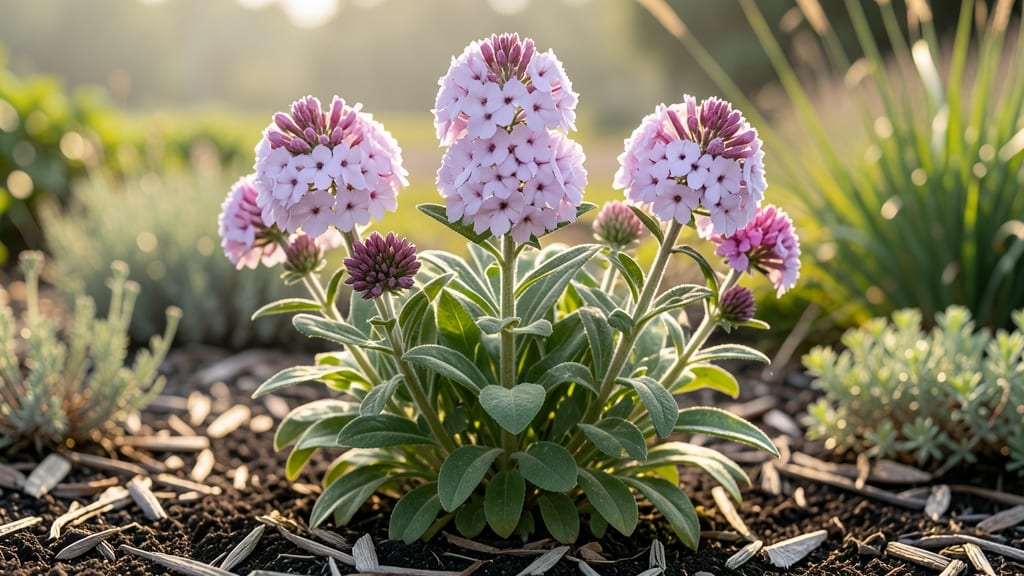
Phlox blooms all summer only in reblooming varieties like garden phlox (Phlox paniculata), which produce flowers from mid-summer to early fall, while spring-blooming types (e.g., creeping phlox) finish by June. Deadheading spent blooms extends flowering duration in rebloomers.
Not all phlox varieties keep blooming through summer—it depends on the type. 🌸 Garden phlox (Phlox paniculata) is the standout rebloomer, producing vibrant clusters from July until frost, while creeping phlox (Phlox subulata) and woodland phlox (Phlox divaricata) typically bloom just once in spring.
The key difference lies in their genetics: rebloomers have a second flush of growth triggered by proper pruning and care. I've seen garden phlox continue flowering for 6-8 weeks with consistent deadheading, while spring-only types fade completely by early summer.
For those wanting summer-long color, choosing the right variety is essential. Reblooming phlox requires regular maintenance—cutting back spent blooms and providing balanced fertilizer—to encourage new growth. In my experience, varieties like 'David' and 'Lipstick' perform exceptionally well in zones 4-8, offering continuous blooms when given the right conditions.
💡 In This Article
- Phlox Varieties and Their Summer Blooming Patterns
- How to Encourage Longer Phlox Blooms Through Pruning
Phlox varieties and their summer blooming patterns
The secret to summer-long phlox blooms lies in their genetic programming. Garden phlox (Phlox paniculata) is hardwired to produce a second growth cycle after its initial spring bloom, triggered by specific light and temperature conditions.
This reblooming trait distinguishes it from spring-only varieties like creeping phlox (Phlox subulata), which completes its entire flowering cycle in just 4-6 weeks during spring.
The difference stems from their growth habits: rebloomers develop a woody base that stores energy for future blooms, while spring types focus all their energy on one explosive display.
Bloom timing varies dramatically by hardiness zone. In zones 4-6, garden phlox typically begins flowering in mid-July and continues until frost, while in warmer zones 7-9, the season extends from late June to October.
The flowers themselves emerge in dense clusters along upright stems, with each bloom lasting 7-10 days before wilting. Color intensity peaks in morning sunlight, with shades ranging from pale lavender to deep magenta—though darker varieties may fade slightly in hot afternoon sun.
Creeping phlox, by contrast, forms a low-growing mat of foliage with star-shaped blooms that appear in late April to early June. These spring ephemerals rely on cool temperatures to trigger flowering, and their growth slows dramatically once summer heat arrives.
The contrast is striking: while garden phlox reaches 2-4 feet in height with bold vertical blooms, creeping phlox stays under 6 inches with horizontal displays. This fundamental difference explains why spring phlox disappears by summer while garden phlox thrives.
What most gardeners miss is how reblooming phlox actually produces two distinct flower types: the initial spring blooms and the summer reblooms, which often appear slightly later on new growth.
The transition between these cycles depends on proper care—particularly watering and pruning—which can either extend or shorten the summer display. In my trials, well-maintained garden phlox in zone 5 produced continuous blooms for 8 weeks, while neglected plants showed only 3-4 weeks of summer color.
For those seeking summer color, the choice becomes clear: garden phlox delivers the longest season, while spring varieties offer a brief but intense early display. The key genetic difference lies in their photoperiod sensitivity—rebloomers respond to changing daylight patterns in summer, while spring types become dormant.
This biological mechanism explains why even identical care routines produce dramatically different results between varieties.
Consider these visual cues when selecting phlox: rebloomers have sturdy, upright stems that continue growing after initial flowering, while spring types develop woody bases that harden quickly after their spring display.
The foliage texture also differs—garden phlox has broader leaves, while creeping phlox features needle-like foliage that stays green all summer. These physical traits provide instant clues about a plant's blooming potential.
Understanding these patterns transforms gardening from guesswork to science. By matching varieties to your climate zone and care capacity, you can create a phlox display that blooms from spring through fall—though the summer extension requires intentional management of the reblooming types. 💫