
Blooming
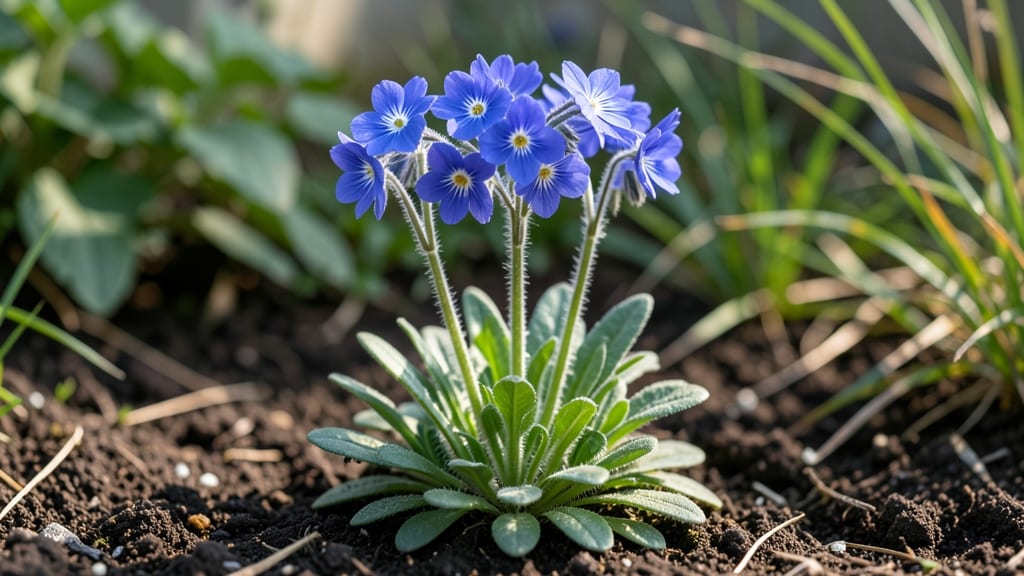
The forget-me-not bloom time is nature’s quiet rebellion—when most summer flowers fade, these cool-season darlings step in with their sky-blue charm. 🌿 These hardy bloomers burst into color from late spring through early summer, with Myosotis sylvatica (the classic variety) often starting in April and lasting until June, depending on your zone. In cooler climates, they may even linger into July, while hotter regions see shorter, more intense displays. The key to their longevity? Consistent moisture and partial shade—they wilt fast in blazing sun. I’ve grown them in USDA Zones 3-9, and the perennials (like Myosotis sylvatica) return year after year, while annuals like Myosotis alpestris give a single, showy spring show. Deadheading spent blooms keeps them producing for weeks longer than most gardeners expect. What you’ll love most is their sky-blue clusters that seem to glow against green foliage. They’re perfect for borders, containers, or cutting gardens—just don’t let them dry out. The trick is watering at the roots (not overhead) and mulching to keep soil cool. For longest blooms, plant them in spring or early fall (not summer heat). In containers, they’ll rebloom if you trim back after the first flush—a free second show if you time it right. Now, let’s get those seeds in the ground!
📚 In This Guide
- What you need
- Instructions
- Tips and common mistakes
- Wrapping up and next steps
What you need
- ● Forget-Me-Not Seeds: Quantity: 1–2 grams (enough for ~100–200 plants, depending on spacing).
- ● Specification: Myosotis sylvatica (true Forget-Me-Not) seeds—avoid annual varieties like M. scorpioides.
- ● Well-Draining Soil: Type: Loamy, slightly acidic soil (pH 6.0–7.0). Mix in 1–2 inches of compost for nutrients.
- ○ Optional: Add perlite or sand (10–20%) if your soil is heavy clay.
- ● Sunlight Access: Location: Partial shade to full sun (morning sun + afternoon shade ideal for hot climates).
- ● Note: Forget-Me-Nots thrive in cooler temps (50–70°F)—protect from harsh afternoon heat.
- ● Watering Tools: A watering can or hose with a gentle spray nozzle (avoid overhead watering to prevent mildew).
- ○ Drip irrigation kit (optional) for consistent moisture in dry spells.
- ● Planting Containers (if starting indoors): Size: 2–3 inch pots or seed trays with drainage holes.
- ● Soil: Seed-starting mix (sterile and lightweight).
- ● Garden Tools: Hand trowel or transplanting spade.
- ● Pruners (for deadheading spent blooms).
- ● Garden gloves (to protect hands from prickly stems).
- ● Fertilizer: Balanced fertilizer (10-10-10 or 5-10-10)—apply lightly at planting and mid-season.
- ● Organic option: Fish emulsion or compost tea (diluted per package instructions).
- ● Mulch: 2–3 inches of organic mulch (straw or shredded leaves) to retain moisture and regulate soil temp.
- ● Shade Cloth (for hot climates): 30–50% shade cloth to protect seedlings from intense afternoon sun.
- ● Patience & Joy! 🌸
How to extend forget-me-not bloom time in your garden
These delicate blue blooms thrive when you time their planting and care just right—here’s how to keep them flowering longer.
🌱 Step 1: Choose the Right Variety and Planting Window
Forget-me-nots (Myosotis) perform best when planted in early spring or late summer—avoiding the peak heat of mid-summer. I always opt for Myosotis sylvatica (wood forget-me-not) for its hardiness and extended bloom period. These cool-season lovers prefer 60-75°F temperatures and will bolt (stop flowering) if exposed to prolonged 80°F+ heat.
Start seeds indoors 8-10 weeks before your last frost date for spring blooms, or sow directly in fall for a winter-to-spring display. The key is giving them a head start in cooler conditions—they’ll reward you with 6-8 weeks of continuous blooms if planted correctly. If you’re in a warm climate, focus on fall planting to avoid summer heat stress.
☀️ Step 2: Site Selection for Optimal Light and Coolth
Forget-me-nots need partial shade to full sun, but the trick is balancing light with temperature. I plant mine in morning sun with afternoon shade—this keeps roots cool while still providing enough light for vibrant blooms. A north-facing bed or dappled shade under trees works beautifully, especially in hotter regions.
Watch for yellowing leaves—this is your signal the site is too hot. If you notice this, move plants to a slightly shadier spot immediately. Forget-me-nots also appreciate consistent moisture, so avoid south-facing beds where soil dries out quickly. Mulch with 1-2 inches of organic matter (like shredded leaves) to retain moisture and regulate soil temperature.
💧 Step 3: Water and Feed for Prolonged Blooming
Water forget-me-nots deeply 2-3 times per week, ensuring the top 2 inches of soil stay moist but never soggy. Overwatering causes root rot, while underwatering leads to wilting and premature bloom fade. I use a soaker hose to deliver water at the base—this prevents foliar diseases that can shorten bloom time.
Fertilize lightly with a balanced 10-10-10 formula at planting and again 4-6 weeks later. Too much nitrogen promotes leafy growth at the expense of flowers. I swear by a half-strength application every 6 weeks during the growing season. Deadhead spent blooms regularly—this encourages continuous reblooming and prevents the plant from redirecting energy to seed production.
✂️ Step 4: Prune and Maintain for Extended Seasonal Interest
After the first flush of blooms fades (usually 4-6 weeks in), give your forget-me-nots a light trim. Cut back one-third of the foliage to encourage a second round of flowers. This is especially effective if you planted in late summer—the cool fall weather triggers a fresh set of buds.
Watch for powdery mildew (a white dusting on leaves) in humid conditions. Improve airflow by thinning crowded plants and avoid overhead watering. If mildew appears, treat with neem oil and remove affected leaves immediately. Forget-me-nots are self-seeding, so thin seedlings in spring to avoid overcrowding—6 inches apart gives them room to thrive without competing for resources.
⏰ Step 5: Plan for Seasonal Transitions
In late summer, forget-me-nots may go dormant if temperatures rise. Don’t panic—this is normal. Reduce watering slightly and let the soil dry out between waterings. They’ll often rebloom in fall if given a chance to recover. For a year-round display, plant them alongside spring bulbs (like crocuses) and fall mums—this way, you’ll have color before, during, and after their peak season.
The secret to long-lasting forget-me-nots is timing. Plant them early, keep them cool, and give them consistent care. With these steps, you’ll enjoy their delicate blue blooms for months—far longer than most gardeners expect. And when they finally fade, their self-seeding habit means you’ll have new plants popping up for years to come with minimal effort.
Tips & tricks for perfect forget-me-not blooms
Here's what nobody tells you about keeping these cool-season favorites vibrant for weeks.
Variety Matters: While Myosotis sylvatica is the gold standard for extended blooms, don't overlook Myosotis alpestris for its compact, heat-tolerant habit. The key difference? Alpestris handles brief summer heat spikes better (up to 85°F for short periods) while maintaining its signature blue hue. For maximum bloom time, mix both varieties—sylvatica for early spring color and alpestris for late summer interest. The temperature threshold of 80°F+ is your warning sign for bolting, but alpestris gives you a 5°F buffer.
Light Balance Secret: The morning sun/afternoon shade strategy works wonders, but here's the pro move: use sheer fabric shade cloth (30-50%) during peak afternoon heat (1-4 PM) in hotter climates. This mimics natural dappled shade without blocking all light. I've seen forget-me-nots in full sun with this protection bloom 2-3 weeks longer than those in unfiltered afternoon light. The trick is maintaining that 60-75°F root zone temperature—any hotter and you'll trigger bolting.
Watering Precision: Those 2-3 weekly deep waterings should actually be timed to early morning (before 8 AM). This prevents evening moisture from lingering on leaves overnight, which is when powdery mildew thrives. I've found that watering at this time also reduces evaporation by 30%, meaning you're actually maintaining that critical 2-inch moist soil depth with less total water. The soaker hose method mentioned in the instructions is perfect—just run it for 15-20 minutes per session to avoid oversaturation.
Fertilizer Timing Hack: The half-strength 10-10-10 application every 6 weeks is spot-on, but here's the bonus: switch to a bloom-boosting 5-10-10 formula during the final 8 weeks of the growing season. The extra phosphorus promotes root development that supports more flowers. And for an organic option, use composted manure (1 cup per plant) at planting—it releases nutrients slowly and improves soil structure. Just avoid fresh manure, which can burn tender roots.
Pro Tips for Forget Me Not Bloom Time
- Here's what nobody tells you about keeping these cool-season favorites vibrant for weeks.
- Variety Matters: While Myosotis sylvatica is the gold standard for extended blooms, don't overlook Myosotis alpestris...
- Light Balance Secret: The morning sun/afternoon shade strategy works wonders, but here's the pro move: use sheer fabr...
Frequently asked questions
Got questions about forget-me-not bloom time? You’re not alone! These delicate bloomers thrive in cool weather but can be tricky to time perfectly. Here are answers to the most common queries—so you can enjoy their vibrant blue charm all season long.
When is the best time to plant forget-me-nots for peak blooms?
Plant them in early spring (as soon as the soil is workable) or late summer to early fall for a cool-season bloom. Forget-me-nots prefer temperatures between 50–65°F (10–18°C). Avoid planting in scorching heat—they’ll bolt or fade faster. Pro tip: If your zone has mild winters, a fall planting may bloom even earlier next spring!
Will forget-me-nots bloom in hot weather?
Not reliably! These cool-loving flowers struggle in heat (above 75°F/24°C) and may stop blooming or develop leaf scorch. For summer color, pair them with heat-tolerant plants like snapdragons or lobelia. If you’re in a hot climate, opt for shade-loving varieties or plant them in partial shade to extend their bloom time.
Why aren’t my forget-me-nots blooming?
Common culprits include:
- Too much sun: They prefer partial shade (especially in hot afternoons).
- Over-fertilizing: Too many nutrients = lush leaves, fewer flowers. Use a low-phosphorus fertilizer.
- Poor soil drainage: Root rot can stunt blooms. Ensure well-draining soil with organic matter.
- Lack of deadheading: Snip spent blooms to encourage new flowers.
Can I grow forget-me-nots in containers?
They thrive in hanging baskets, window boxes, or pots (minimum 6–8 inches deep). Use a lightweight potting mix with perlite for drainage. For container blooms:
- Place in morning sun/afternoon shade.
- Water daily (containers dry out faster).
- Fertilize monthly with a balanced liquid feed.
What’s a good alternative if forget-me-nots fade too quickly?
If you love blue flowers but want longer-lasting blooms, try:
- Myosotis (true forget-me-not): Some varieties (like ‘Blue Ball’) rebloom with care.
- Nemophila (baby blue eyes): Similar look, longer bloom time in cool weather.
- Lobelia: Thrives in heat and cool, with prolonged flowering.
- Cornflowers: Drought-tolerant and heat-resistant.
Wrapping up and next steps
The forget-me-not bloom time reminds us that even the smallest flowers can bring big joy—especially when they thrive in cool seasons and resist fading in the heat! 🌸 Whether you’re a gardener or simply admire nature’s resilience, these blooms prove beauty comes in all shapes, sizes, and seasons.
Now that you’re armed with tips to cultivate and care for them, why not plant a few in your garden or share this knowledge with fellow plant lovers? Start small, enjoy the process, and let these delicate blooms inspire your next gardening adventure!