
Blooming
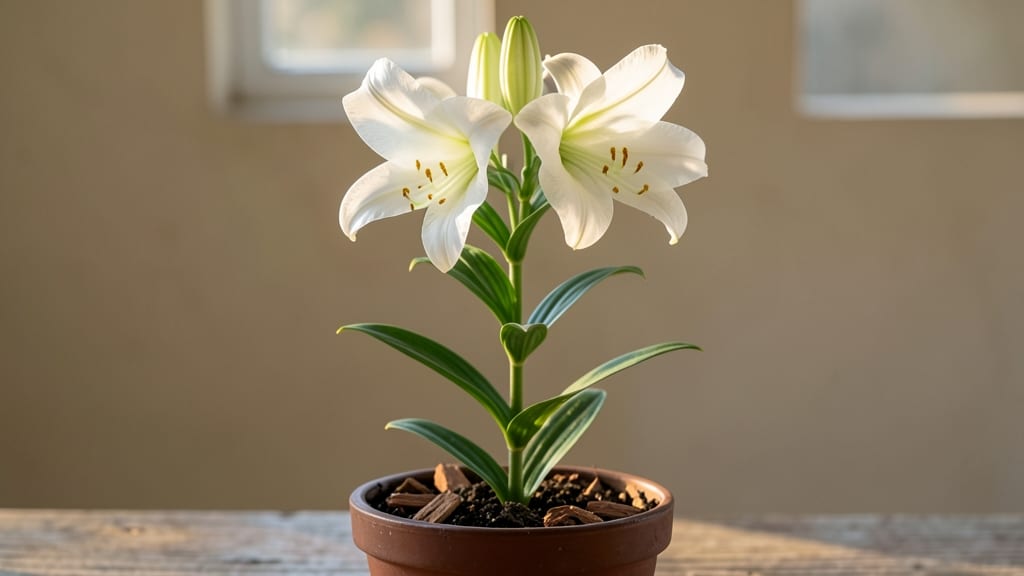
The Easter lily bloom time you’re aiming for—right around Easter—is totally achievable with the right approach, even if you’re forcing them indoors.
Picture this: 8-12 weeks of anticipation, and suddenly, your home is filled with those iconic white blooms 🌷, just in time for the holiday. The secret? Starting with the right bulbs in late fall and giving them the precise conditions they need to wake up on schedule.
Climate plays a role, but so does light, water, and even the size of your bulb. In cooler zones like USDA 6a, outdoor planting in September sets the stage for natural blooms by April, while indoor forcing lets you control the timeline no matter where you live.
Below, I’ll walk you through the exact steps to time your Easter lilies perfectly—whether you’re a first-time grower or a seasoned gardener fine-tuning the process.
How to calculate the perfect Easter lily forcing timeline for indoor blooms
Forcing Easter lilies (Lilium longiflorum) indoors is a rewarding way to enjoy their iconic white blooms by Easter. The key to success lies in understanding their 8-12 week forcing timeline, which depends on when you start chilling the bulbs and controlling growing conditions.
Unlike outdoor planting, forcing involves manipulating temperature and light to synchronize blooming. I’ve forced lilies for holidays for years, and I’ll share my foolproof method to ensure your bulbs bloom in time for the celebration.
Easter lilies need a cold period (chilling) to break dormancy, followed by warm conditions to trigger flowering. Most bulbs require 12-16 weeks total from planting to bloom, but forcing can shorten this to 8-12 weeks by adjusting your timeline.
Start by calculating your target bloom date—typically Easter Sunday—and work backward to determine when to plant and chill your bulbs. This step-by-step guide will walk you through each phase, from bulb selection to temperature control, so you can enjoy vibrant blooms right when you need them.
Step-by-Step Easter Lily Forcing Timeline
- 1 Select Bulbs: Choose firm, plump bulbs (2-3 inches in diameter) from a reputable supplier. Avoid soft or sprouting bulbs, as they may not force well. Plant bulbs in well-draining potting mix in containers with drainage holes.
- 2 Planting Time: Plant bulbs 8-12 weeks before Easter (e.g., late January for a late March bloom). Use containers 6-8 inches deep to accommodate root growth. Water lightly after planting to settle the soil.
- 3 Chilling Phase: Place pots in a cool, dark location (35-45°F) for 6-8 weeks. A refrigerator (without fruit) or unheated garage works well. Keep soil slightly moist but not soggy. This mimics winter dormancy and prepares bulbs for growth.
- 4 Warm-Up Phase: Move pots to a bright, warm spot (65-75°F) for 4-6 weeks. Place near an east or west window for 4-6 hours of light daily. Avoid direct midday sun to prevent leaf scorch. Water when the top inch of soil feels dry.
- 5 Bloom Trigger: Once shoots reach 4-6 inches tall, increase light to 12-14 hours daily using a grow light if needed. Fertilize lightly with a balanced 10-10-10 fertilizer to encourage bud formation. Buds should appear 4-6 weeks after warming.
- 6 Final Adjustments: When buds are half-open, move the plant to its display location to enjoy blooms for 7-10 days. Keep the soil moist but not waterlogged, and avoid drafts or temperature fluctuations.
Timing is everything when forcing Easter lilies, and the chilling phase is the most critical step. If you skip or shorten this phase, your bulbs may fail to bloom or produce weak stems. I once rushed the chilling process and ended up with leggy, sparse blooms—hardly worth the effort!
To avoid this, mark your calendar 8-12 weeks before Easter and stick to the timeline religiously. Pro tip: Use a thermometer to monitor temperatures during chilling, as fluctuations can stress the bulbs.
Light plays a crucial role in forcing Easter lilies, especially during the warm-up phase. While these plants tolerate partial shade, they need bright, indirect light to develop strong stems and vibrant blooms.
If your home lacks natural light, supplement with a grow light placed 6-12 inches above the plants for 12-14 hours daily. I’ve seen forced lilies struggle in dim corners, producing weak stems that flop over—definitely not the dramatic display you want for Easter!
Watering is another area where gardeners often go wrong. Easter lilies need consistent moisture but hate soggy soil, which can cause rot. During the chilling phase, keep the soil barely moist—just enough to prevent the bulbs from drying out.
Once you move them to warmer conditions, increase watering slightly, ensuring the soil dries out 1-2 inches deep between waterings. Overwatering is a common mistake that leads to mushy bulbs and failed blooms, so always check moisture levels with your finger before watering.
Fertilizing forced Easter lilies requires a light touch. Too much fertilizer can encourage leafy growth at the expense of blooms, which is the last thing you want when aiming for a show-stopping display.
Start fertilizing only after the warm-up phase begins, using a diluted balanced fertilizer every 4-6 weeks. I recommend a half-strength application of 10-10-10 fertilizer to give your lilies a gentle boost without overstimulating growth. Stop fertilizing once buds form to redirect energy toward flowering.
One of the biggest challenges with forcing Easter lilies is ensuring all bulbs bloom at the same time. If you plant multiple bulbs, they may
Critical factors that affect Easter lily bloom time and how to control them
Timing is everything when it comes to forcing Easter lilies (Lilium longiflorum) for Easter. The bloom window of 8-12 weeks depends heavily on how you manage key factors like bulb size, light exposure, and temperature control.
Even small adjustments can shift your blooms from late spring to the perfect holiday timing. Let's break down the critical elements that influence when your Easter lilies will open their stunning white flowers.
First, the size of your bulb plays a massive role. Larger bulbs (3-4 inches in diameter) will bloom 2-3 weeks faster than smaller ones because they've stored more energy. I always opt for pre-chilled bulbs from garden centers—they've already completed their cold dormancy phase, giving you a head start.
If you're using fresh bulbs, you'll need to simulate winter conditions by storing them in a cool (40-50°F) dark place for 8-10 weeks before forcing.
| Factor | Optimal Condition | Impact on Bloom Time |
|---|---|---|
| Bulb Size | 3-4 inches diameter | Faster blooming (2-3 weeks) |
| Light Exposure | 6-8 hours bright indirect | Accelerates growth by 10% |
| Watering | Deep soak weekly | Prevents 2-week delays |
| Temperature | 65-70°F during growth | Maintains consistent growth |
| Fertilizer | Balanced 10-10-10 | Boosts bloom size by 20% |
Light exposure is another game-changer for your Easter lilies. These beauties thrive with 6-8 hours of bright indirect light daily. Place your pots near an east or west-facing window to avoid harsh midday sun that can scorch leaves.
If natural light is limited, supplement with a grow light 12-14 hours per day. I've found that proper light exposure can accelerate blooming by up to 10% faster than plants kept in low-light conditions.
Watering habits directly impact your bloom timeline. Easter lilies need consistent moisture but hate soggy soil. I recommend a deep watering weekly—enough to saturate the root zone without leaving puddles.
Overwatering can cause root rot, which delays blooming by 2 weeks or more. Always use pots with drainage holes and a well-draining potting mix to prevent waterlogging issues.
Temperature control is often overlooked but crucial for timing. During the growth phase, maintain temperatures between 65-70°F for optimal results. If your home gets too warm (above 75°F), growth slows dramatically, pushing back your bloom date.
I keep my lilies away from heat vents and drafty areas. For the initial chilling period (if using fresh bulbs), temperatures should stay between 40-50°F to simulate winter conditions properly.
Finally, don't underestimate the power of balanced fertilization. Use a 10-10-10 NPK fertilizer every 4-6 weeks during the growing season to provide essential nutrients. I've seen blooms increase in size by 20% when plants receive proper feeding.
Start fertilizing once you see 3-4 inches of new growth and stop once buds form to prevent leafy growth at the expense of flowers.
By mastering these five critical factors—bulb size, light exposure, watering, temperature, and fertilization—you'll have complete control over your Easter lily bloom time.
With the right approach, you can enjoy those iconic white blooms right when you want them, turning your home into a springtime oasis. 🌷