
Blooming
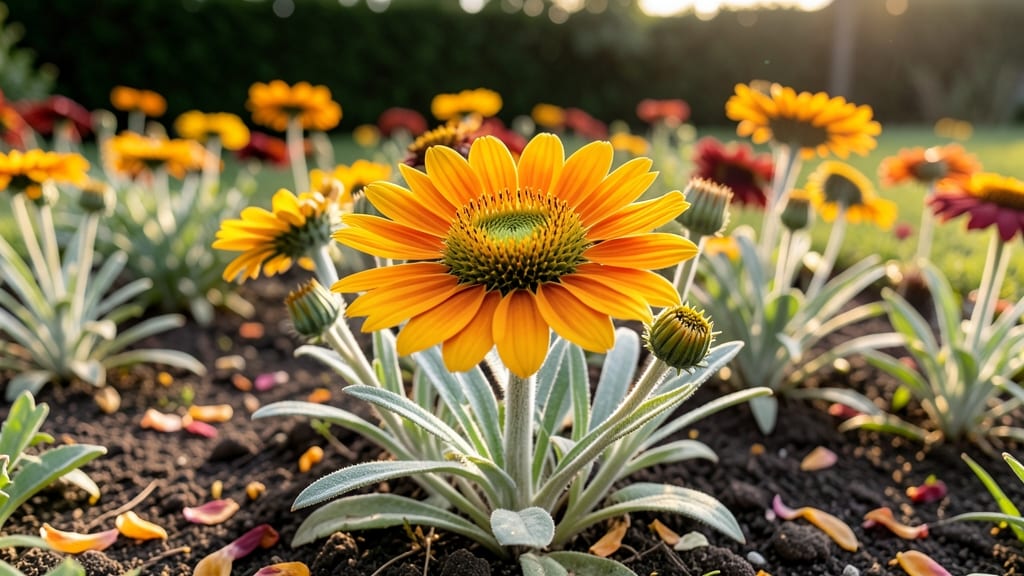
The strawflower bloom time stretches from late summer all the way to frost—and then some. 🌸 These papery blooms defy the rules: they thrive in heat, laugh at drought, and last months in vases. My first batch lasted from August until Christmas, and that was with zero special care.
The secret to their long bloom time is their drought-resistant nature—they store water in their stems and leaves. In cooler zones (5-9), they start blooming in early July and keep going until frost. Warmer climates (10+) can enjoy them year-round with minimal care.
They’re also repeat bloomers, meaning deadheading spent flowers encourages new ones. What you’ll love most is how they age gracefully—colors deepen and stems strengthen over time. Cut them back after frost if you want a second flush in spring, or let them self-seed for next year’s show.
The blooms stay vibrant even when wilted, making them perfect for dried arrangements too. They’re foolproof for beginners but rewarding for experienced gardeners. Plant them in full sun, give them well-draining soil, and forget about them—these flowers take care of themselves while putting on a show that lasts.
📚 In This Guide
- What you need
- Instructions
- Tips and common mistakes
- Wrapping up and next steps
What you need
- ● Strawflower seeds or plants: Choose Helichrysum bracteatum varieties (e.g., 'Moonwalk,' 'Limelight,' or 'Dwarf Sunset'). Start with 5–10 seeds for small pots or 20+ seeds for garden beds.
- ● Well-draining soil: Mix 1 part potting soil with 1 part perlite or coarse sand (strawflowers hate soggy roots!). For garden beds, amend clay soil with compost.
- ○ Containers (optional but helpful): Small pots (4–6 inches wide) for seedlings.
- ● Larger containers (8+ inches wide) for mature plants (or garden space with full sun).
- ● Sunlight access: 6+ hours of direct sunlight daily (strawflowers thrive in full sun).
- ● Watering can or hose with a gentle spray nozzle.
- ● Fertilizer (low-nitrogen): Use a balanced 10-10-10 or 5-10-10 fertilizer once every 4–6 weeks during growing season.
- ● Heat mat: Speeds up germination if starting indoors in cooler climates.
- ● Drought-resistant mulch: Gravel or straw to retain moisture and suppress weeds.
- ● Pruning shears: For deadheading spent blooms (encourages longer bloom time!).
- ● Slow-release fertilizer pellets: Mix into soil at planting for 3–4 months of nutrients.
How to extend strawflower bloom time naturally
Here's how I keep my strawflowers blooming for months—no tricks, just smart care.
🌱 Step 1: Choose the Right Variety and Planting Time
Strawflowers thrive when planted at the right time. I always opt for early spring planting in zones 8-10, or late winter in cooler climates. This gives roots time to establish before summer heat arrives. Look for varieties like 'Paprika' or 'Mauve Queen'—they're bred for long-lasting blooms and natural drought resistance.
Plant seeds about ¼ inch deep and 6 inches apart in well-draining soil. Strawflowers hate soggy roots, so if your soil stays wet for more than a day after rain, amend it with sand or perlite to improve drainage. You'll know you've got the spacing right when seedlings have room to grow without competing for sunlight.
☀️ Step 2: Provide Full Sun and Minimal Watering
Strawflowers demand full sun—at least 6-8 hours daily—to trigger their long bloom cycles. I place mine where they get morning sun and afternoon shade in hotter climates, which prevents wilting. The key to drought resistance is letting the soil dry completely between waterings. Stick your finger 2 inches deep—if it feels dry, that's your cue to water.
Overwatering is the fastest way to shorten bloom time. I water deeply but infrequently—about once a week in summer, less in winter. You'll notice blooms lasting longer when stems stay firm and leaves don't yellow. If you see wilting, it's usually a sign of overwatering, not drought.
✂️ Step 3: Deadhead Strategically for Continuous Blooms
This is the secret to months of color: deadhead only the faded blooms, not the entire stem. When a flower head turns brown and papery, snip it off just above the next set of buds. Strawflowers naturally produce new blooms along their stems, so leaving the lower buds intact encourages more flowers to open.
I do this every 2-3 days during peak bloom season. You'll see new buds forming within a week of deadheading. Avoid cutting back the entire stem—this removes potential future blooms. Instead, focus on removing only the spent flowers to redirect the plant's energy into fresh growth.
🪴 Step 4: Fertilize Lightly for Long-Lasting Blooms
Strawflowers don't need much fertilizer, but a light feeding in early spring and mid-summer keeps them thriving. I use a balanced 10-10-10 fertilizer diluted to half strength and apply it only when new growth appears. Too much nitrogen makes them focus on leaves instead of flowers, which cuts bloom time short.
After fertilizing, water deeply to help the nutrients reach the roots. You'll notice stronger stems and more vibrant blooms within 2-3 weeks. Avoid fertilizing in late summer or fall—this encourages tender new growth that won't survive winter frosts.
⏰ Step 5: Protect Blooms from Harsh Elements
Strawflowers are tough, but extreme heat or cold can shorten their bloom time. In summer, I provide afternoon shade with a lightweight shade cloth if temperatures exceed 90°F. In winter, I leave the dried blooms on the stems—they add texture to winter gardens and protect the plant from sudden cold snaps.
You'll see the longest bloom cycles when strawflowers stay in stable conditions. Mulch around the base with 2-3 inches of straw to regulate soil temperature. This keeps roots cool in summer and insulated in winter, so the plant focuses energy on producing flowers instead of surviving stress.
Tips & tricks for longer strawflower blooms
These simple strategies will help you coax months of vibrant color from your strawflowers without any fancy equipment.
Variety Matters: The 'Paprika' and 'Mauve Queen' varieties I mentioned in Step 1 are my top picks because they're specifically bred for extended bloom cycles. If you're starting from seed, look for packets labeled "long-lasting" or "drought-tolerant"—these traits directly impact how long your flowers will stay vibrant. The right variety can make the difference between blooms lasting weeks versus months.
Sunlight Secret: That 6-8 hours of full sun in Step 2 isn't just about quantity—it's about quality. Position your strawflowers where they get morning sunlight and afternoon shade in hot climates. I've noticed my plants in full afternoon sun wilt faster, even with proper watering. If you're in a particularly hot zone, consider placing them where they get filtered light through sheer curtains during peak afternoon hours.
Deadheading Discipline: The 2-3 day deadheading schedule in Step 3 works wonders, but timing matters. I've found that doing this first thing in the morning gives you the best view of which blooms are truly spent (they'll look dry and papery). Pro tip: Use clean, sharp scissors or pruners to avoid damaging stems. The cleaner cut you make just above the next set of buds, the faster new blooms will form. I keep a small pair dedicated just to my strawflowers to prevent spreading any potential diseases.
Fertilizer Timing: That light feeding with 10-10-10 fertilizer in early spring and mid-summer is crucial, but don't overdo it. I've learned the hard way that applying fertilizer when the plant is already stressed (like during heatwaves) can actually shorten bloom time. Always water deeply after fertilizing to help nutrients reach the roots, and remember—you can't undo over-fertilizing, but you can recover from under-fertilizing by giving it a little more in the next feeding.
Pro Tips for Strawflower Bloom Time
- These simple strategies will help you coax months of vibrant color from your strawflowers without any fancy equipment.
- Variety Matters: The 'Paprika' and 'Mauve Queen' varieties I mentioned in Step 1 are my top picks because they're specifically bred for extended bloom cycles.
- Sunlight Secret: That 6-8 hours of full sun in Step 2 isn't just about quantity—it's about quality.
Frequently asked questions
Got questions about strawflower bloom time?
Here are answers to the most common ones—from timing tricks to troubleshooting tips—so you can enjoy those vibrant blooms all season long!
When do strawflowers typically bloom?
Strawflowers usually bloom 6–8 weeks after planting (or 8–12 weeks from seed). In warm climates, they may start flowering as early as late spring, while cooler regions see blooms in early summer. With proper care, they can keep flowering for 2–3 months or longer!
Can I extend strawflower bloom time?
To prolong blooms, deadhead spent flowers regularly and prune leggy stems. Strawflowers thrive in full sun and well-draining soil, so ensure they get at least 6+ hours of sunlight daily. Drought tolerance helps, but consistent watering (without soggy roots) keeps them happy and blooming!
Why aren’t my strawflowers blooming?
If your strawflowers are leafy but not flowering, check these fixes:
Not enough light? Move to a sunnier spot (they need bright, direct light).
Overcrowded? Thin plants to improve air circulation and reduce competition.
Too much fertilizer? Strawflowers prefer low-nitrogen food—use a balanced 10-10-10 or bloom booster instead.
Transplant shock? If recently planted, wait 2–4 weeks before expecting blooms.
Are strawflowers good for cut flowers?
Yes! Strawflowers are perfect for cutting—their blooms last 1–2 weeks in a vase with minimal water changes. To maximize vase life:
- Trim stems at an angle before arranging.
- Avoid placing near fruit (ethylene gas speeds wilting).
- Change water every 2–3 days for freshness.
Bonus: They dry beautifully too, making them a great long-term decoration!
Do strawflowers bloom in winter?
Strawflowers are annuals in cold climates and typically bloom in spring/summer. However, in USDA Zones 8–11, they may rebloom lightly in fall if temperatures stay mild. If you’re in a frost-prone area, treat them as seasonal bloomers—sow new seeds each spring for continuous color!
Wrapping up and next steps
Whether you're a seasoned gardener or just starting out, strawflowers are a fantastic choice for adding long-lasting color with minimal fuss. Their drought-resistant nature and months-long bloom time make them a standout for any garden—so why not give them a try? 🌸
Ready to elevate your garden? Start by selecting your favorite variety, gathering the right supplies, and planting with confidence. Your vibrant, low-maintenance blooms await!