
Trees
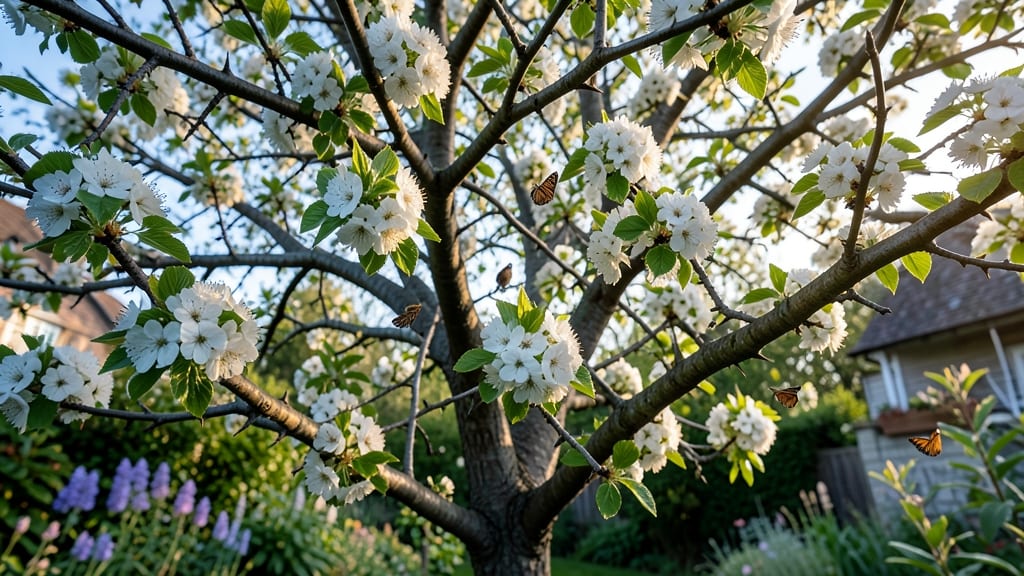
Spring’s white-blooming trees bring timeless beauty and intoxicating fragrance to cottage gardens. These ten fragrant varieties create romantic borders, perfect for pollinators and human admirers alike—each offering unique textures and seasonal charm.
Crabapple Tree with Snowdrift White Blossoms
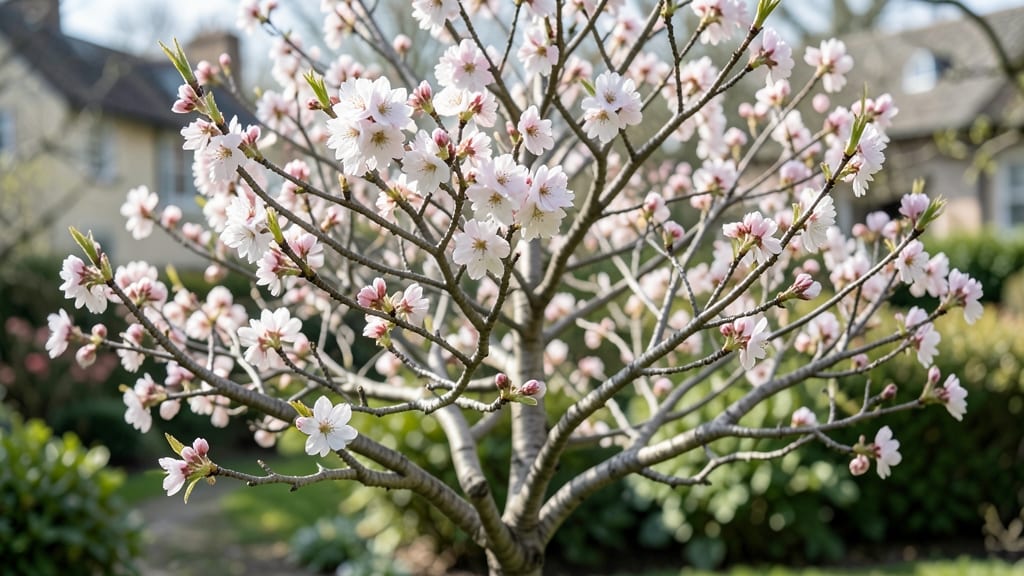
Looking for a white-blooming tree that fits perfectly in tight spaces without sacrificing beauty? The crabapple tree variety 'Snowdrift' delivers delicate pink-tinged white flowers that burst into bloom before its leaves even appear—creating a stunning early spring display.
This compact tree thrives in small borders and urban gardens, reaching just 15-20 feet tall with a rounded shape that fits neatly into cottage-style landscapes. Its bees-loving blossoms provide crucial early-season nectar, while the disease-resistant fruit (though small) adds seasonal interest. Plant it in full sun for maximum floral impact, and enjoy its low-maintenance nature that makes it ideal for beginners.
Perfect for gardeners with limited space who still want showstopping spring color, this crabapple variety brings both pollinator benefits and old-world charm to your landscape. 🌱
Japanese Cherry Blossom Tree with Shirofugen Variety
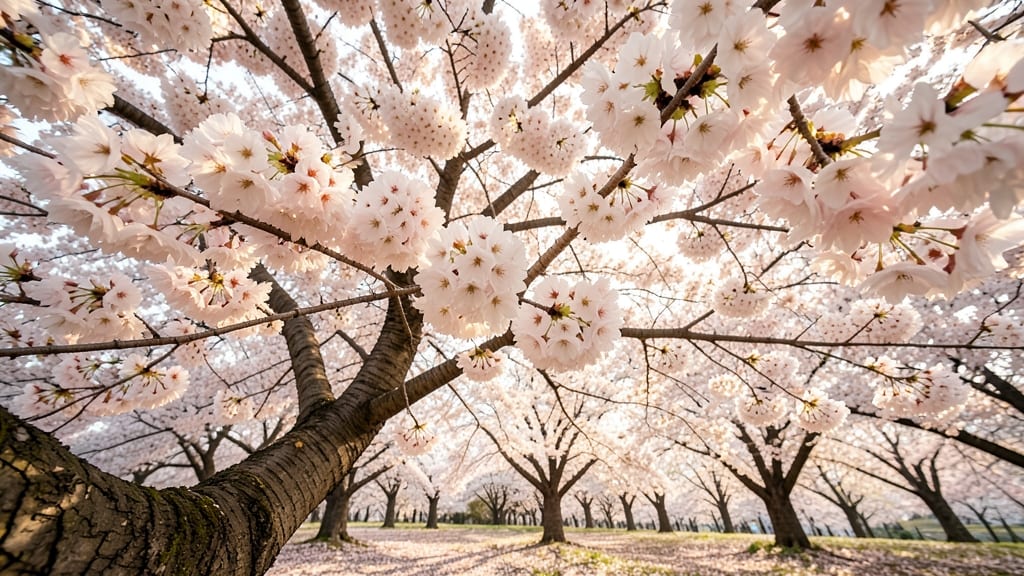
Imagine stepping into a dreamy spring scene where delicate white petals cascade like clouds overhead—this is the magic of the Shirofugen Japanese cherry blossom. Unlike its single-petaled cousins, this variety boasts double white flowers that create a lush, snow-dusted canopy, making it the ultimate romantic focal point for cottage gardens.
This tree thrives in full sun to partial shade and reaches 20-25 feet tall, so plant it where you can admire its dramatic display from your porch or garden path. The blooms appear in late April to early May, lasting 1-2 weeks, and the tree’s graceful, weeping branches add year-round structure. While it prefers well-drained soil, it’s surprisingly adaptable to urban settings, making it ideal for city gardens with a touch of Japanese flair.
Perfect for gardeners who crave drama without high maintenance, the Shirofugen’s ethereal beauty will steal hearts—literally. 🌷
Magnolia Stellata with Star-Shaped White Flowers
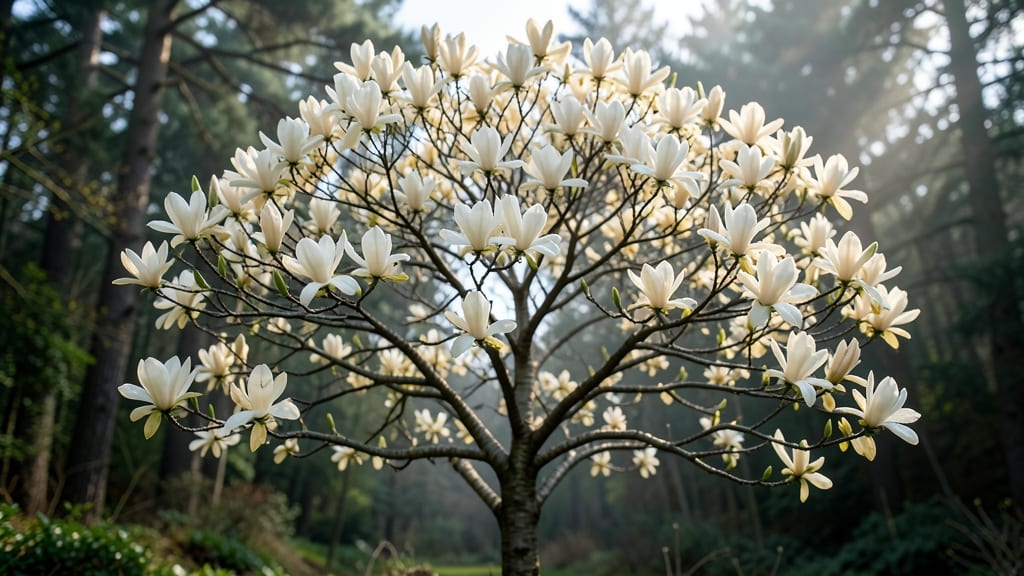
When your garden craves early spring color without demanding full sun, Magnolia stellata delivers with its delicate star-shaped white blooms that appear weeks before most trees leaf out. This understory gem thrives in partial shade, making it perfect for woodland edges, foundation plantings, or under taller trees where sunlight is limited.
The real magic happens in late winter to early spring when clusters of sweetly fragrant flowers burst open, releasing a creamy scent that lingers for weeks. Unlike many spring bloomers, Magnolia stellata blooms on old wood, so it won’t sacrifice flowers for summer pruning. Its glossy green leaves emerge after blooming, creating a stunning contrast that lasts through summer and into fall.
This tree is ideal for gardeners seeking low-maintenance elegance with high fragrance reward—especially those with shaded spots where other white-blooming trees struggle. 🌱
Forsythia with Golden Yellow and White Bicolor Blossoms
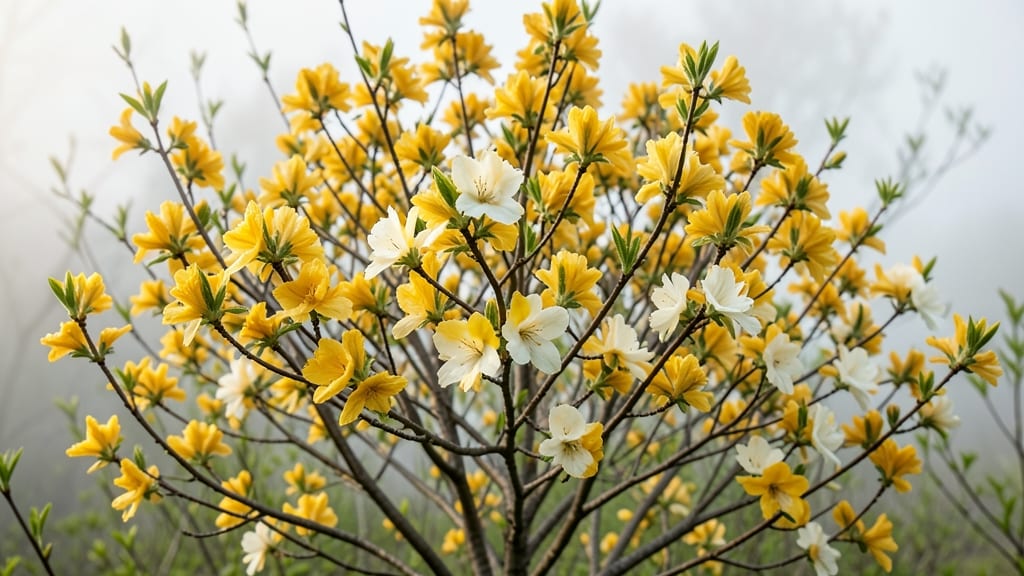
Looking for a fast-growing spring spectacle that doesn’t require years of waiting? Forsythia bursts onto the scene with its golden yellow and white bicolor blossoms, creating a cheerful contrast against emerging green foliage. This deciduous shrub-like tree is one of the first to bloom in late winter or early spring, signaling the arrival of warmer days.
Growing 3-6 feet tall and wide, forsythia thrives in full sun to partial shade and adapts to various soil types, making it ideal for urban gardens or cottage borders. Its vigorous growth habit means it can quickly fill gaps, while its low-maintenance nature makes it perfect for busy gardeners. Prune after flowering to maintain shape and encourage dense growth.
Perfect for adding early color to mixed borders or as a standalone focal point, forsythia’s bright blooms attract pollinators and create a sunny, uplifting atmosphere. 🌻
Bradford Pear with Fragrant White Blossom Clusters
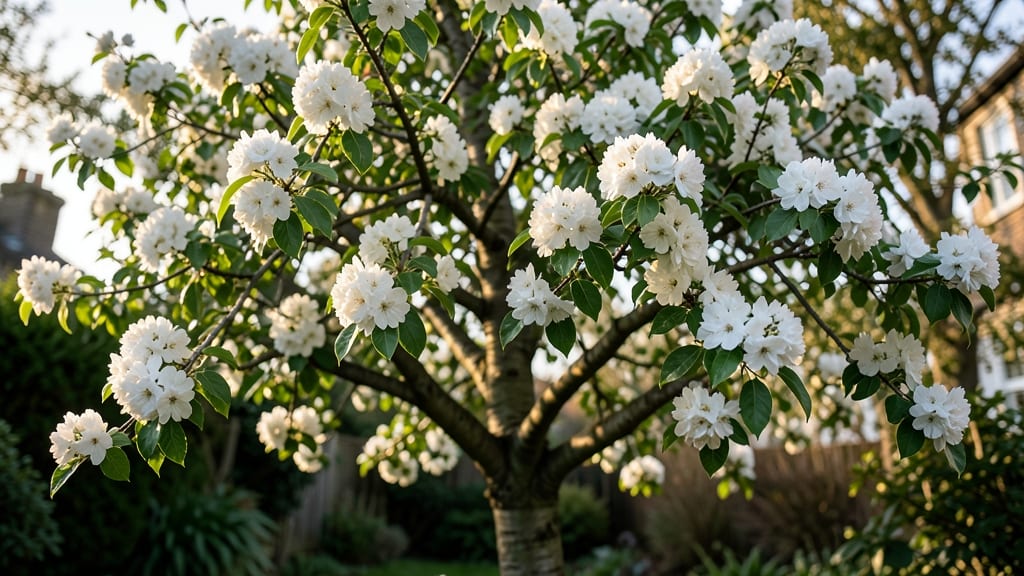
If you're looking for a white-blooming tree that thrives with minimal fuss while supporting local ecosystems, the Bradford pear is your perfect match. Its fragrant white blossoms appear in late spring, creating a dramatic contrast against its deep green foliage—a striking visual that lasts for weeks.
This disease-resistant tree requires little pruning and handles urban conditions well, making it ideal for suburban gardens. The abundant flowers provide nectar for bees, while its low-maintenance nature means fewer hours spent on upkeep. Plant it in full sun for the best floral display, and enjoy its year-round interest with attractive bark and seasonal fruit.
Perfect for busy gardeners or those with limited space, the Bradford pear brings pollinator-friendly beauty without the high maintenance of other spring bloomers. 🌿
Saucer Magnolia with Large White Flower Clusters
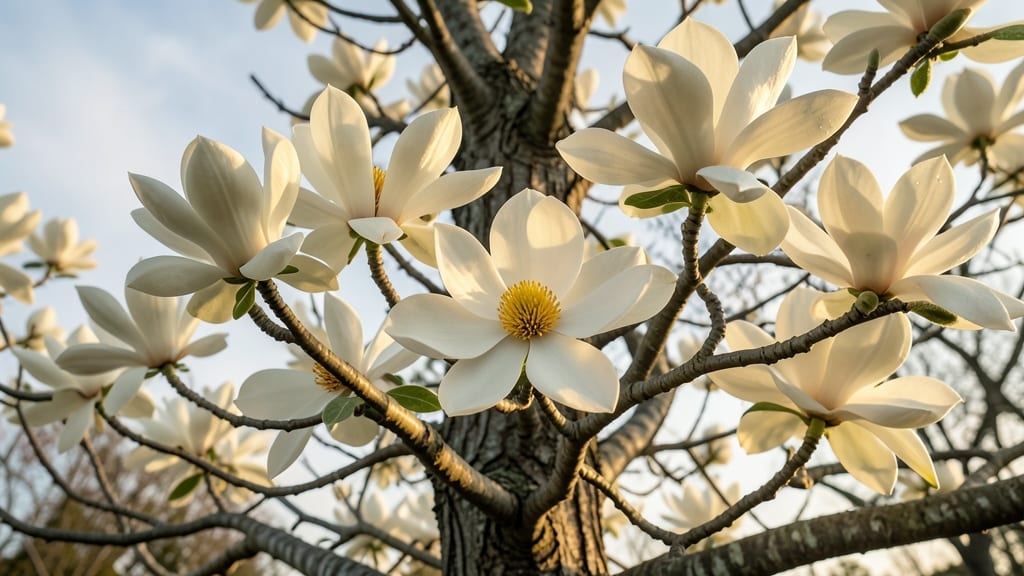
If you want a spring garden centerpiece that commands attention, the saucer magnolia delivers with its large, cup-shaped white flowers that dramatically reveal bright yellow centers. This isn’t just another pretty tree—it’s a fragrant powerhouse that transforms any landscape into a sensory experience, with blooms that can reach 8 inches across and fill the air with a sweet, intoxicating scent.
Plant it in full sun to partial shade for maximum floral impact, and expect blooms in late spring (April to May) that last 2-3 weeks. The tree’s glossy green leaves emerge after flowering, creating a lush backdrop that lasts through summer. Unlike many spring bloomers, saucer magnolias are drought-tolerant once established, making them ideal for gardeners who want beauty without constant watering.
Perfect for gardeners who love statement-making plants, this magnolia thrives in both cottage gardens and modern landscapes—its bold blooms pair beautifully with climbing roses and peonies. 🌻
Eastern Redbud with Heart-Shaped White Flowers
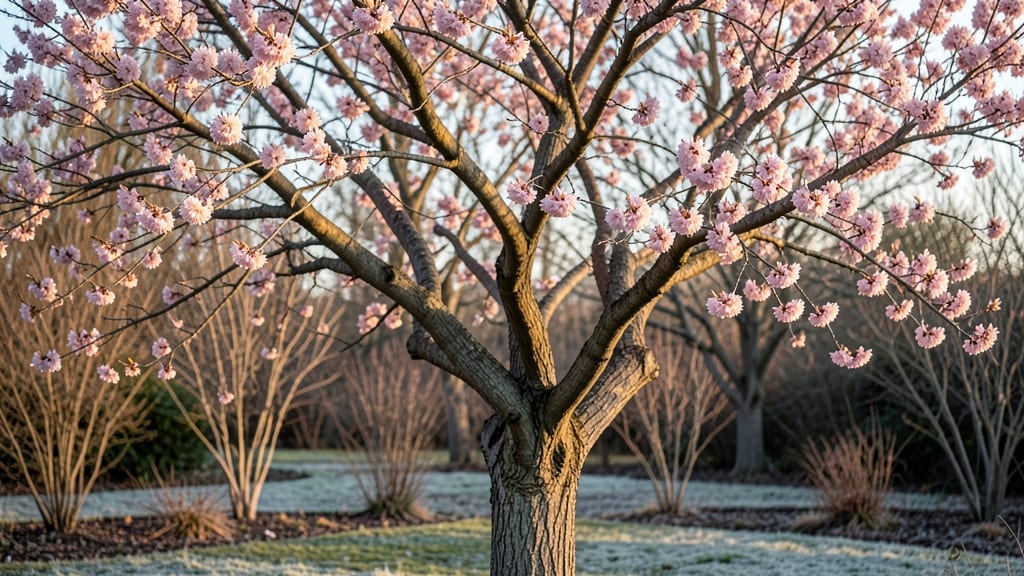
Want a spring bloomer that feels like a secret garden treasure? The Eastern redbud delivers heart-shaped pink-white flowers that appear in late winter—often before its leaves—creating a magical burst of color when most gardens are still asleep.
This small but mighty tree thrives in full sun to partial shade and reaches just 20-30 feet tall, making it perfect for mixed borders, woodland edges, or as a focal point in cottage gardens. Its delicate blossoms last 2-3 weeks, followed by heart-shaped leaves that turn golden in fall. Unlike many spring bloomers, redbuds are drought-tolerant once established, making them ideal for low-maintenance landscapes.
Perfect for gardeners who love early color and native plants, the Eastern redbud adds vertical interest while supporting pollinators with its nectar-rich flowers. 🌷
Dogwood Tree with Spicy White Bracts
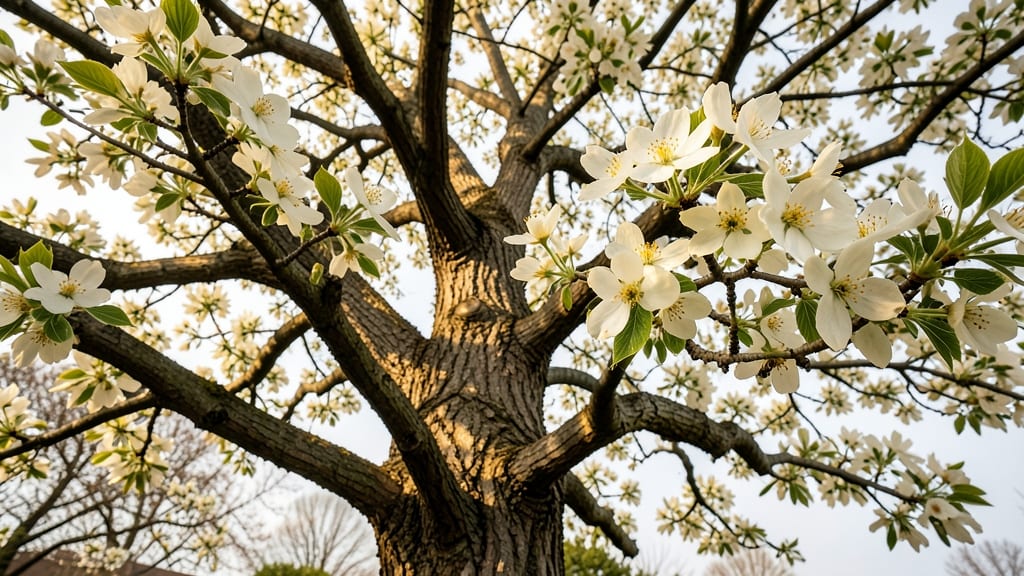
Want a native tree that combines bold structure with delicate white blooms? The dogwood tree with its signature four-petaled white bracts (the showy flower-like structures) surrounding tiny yellow flowers creates a striking contrast that’s uniquely American. Unlike other spring bloomers, its horizontal branches grow in elegant layers, adding architectural interest year-round.
This tree thrives in partial shade to full sun and reaches 15-25 feet tall, making it perfect for cottage garden borders or as a focal point near patios. The blooms appear in late spring (April-May), just as spring bulbs fade, extending your garden’s color palette. Its disease-resistant varieties (like 'Florida Flame' or 'White Winter') ensure low-maintenance beauty for decades.
Ideal for gardeners who love native plants with both visual impact and wildlife benefits, dogwoods attract birds and butterflies while providing seasonal interest. Their unique structure makes them stand out in any spring garden. ✨
Lilac Tree with Fragrant White Blooms
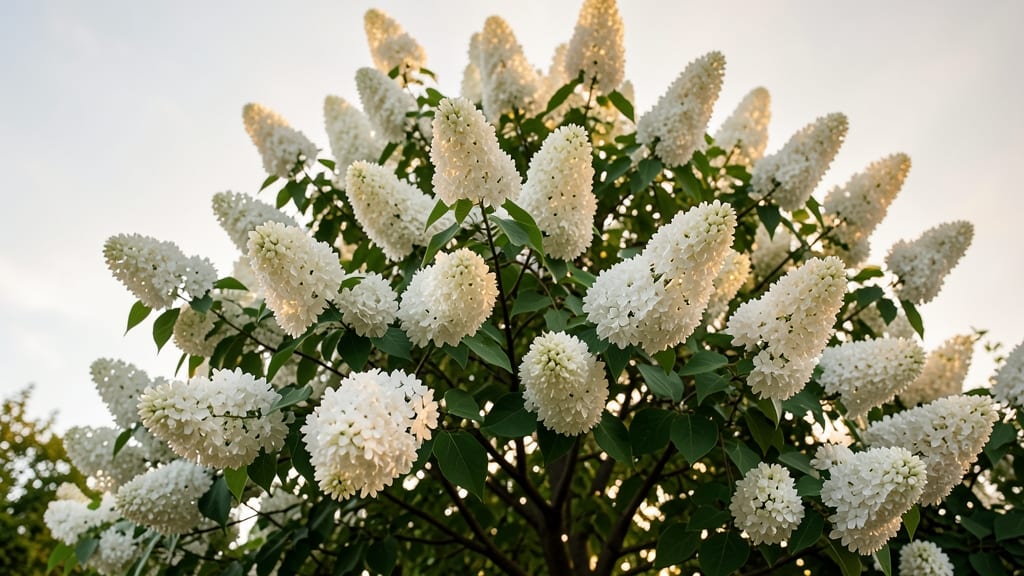
Bring the essence of spring indoors with the lilac tree, specifically the white-flowering varieties like 'White Dawn' or 'Garnett's White'. These fragrant powerhouses produce dense clusters of intensely sweet blooms that fill the air with a classic, nostalgic scent—perfect for cutting and arranging in vases to bring that garden fragrance inside.
Unlike many trees, lilacs thrive in full sun to partial shade and adapt to various soil types, making them ideal for cottage garden borders or mixed shrubbery beds. Prune immediately after flowering to maintain shape and encourage next year's blooms. Their late spring blooming period (May-June) aligns perfectly with when most gardens are in full swing, providing both visual and olfactory delight.
This tree is a must-have for gardeners who love nostalgic fragrance and want to share their garden's beauty indoors. The white varieties stand out beautifully against dark green foliage and pair wonderfully with purple clematis or lavender. 💚
Hawthorn Tree with Dense White Blossom Clusters

Looking to create a living privacy screen that also supports wildlife? The hawthorn tree delivers with its dense clusters of white blossoms that burst into bloom in late spring, creating a fragrant spectacle while attracting bees, butterflies, and birds. Unlike other trees, its thorny branches naturally deter intruders, making it an ideal choice for borders or property lines.
This hardy tree thrives in full sun to partial shade and adapts to a wide range of soil types, including poor or rocky conditions. Its spring flowers give way to vibrant red berries that provide food for wildlife through fall and winter, while the evergreen-like foliage offers year-round structure. Prune lightly after flowering to maintain shape and encourage bushier growth.
Perfect for gardeners who want both beauty and function, hawthorn trees create a wildlife-friendly barrier that requires minimal maintenance. 🌿