
Are There Flowers That Bloom in Winter: Cold-Hardy Picks for Year-Round Color

Flowers

Are There Flowers That Bloom in Winter: Cold-Hardy Picks for Year-Round Color

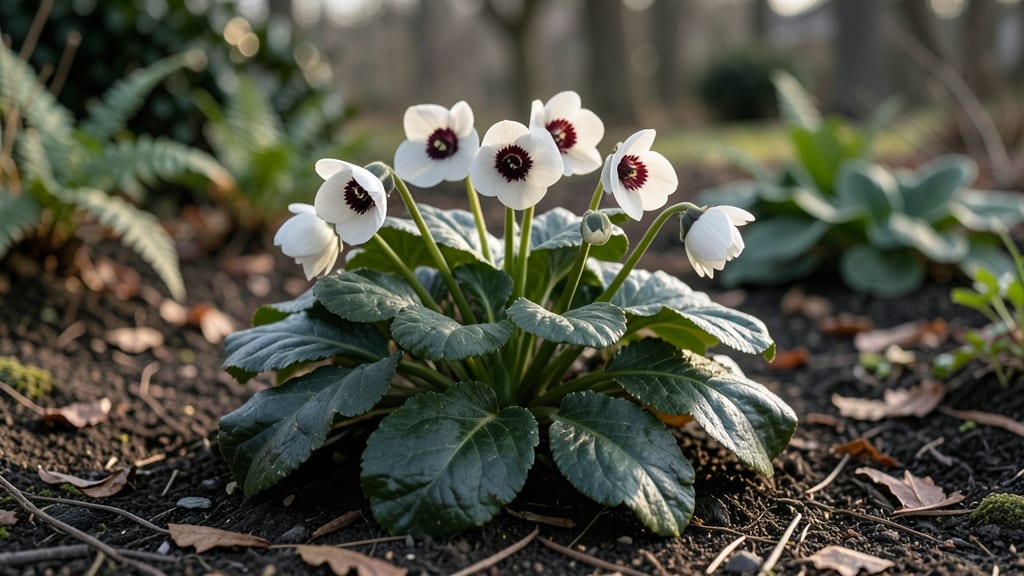
Winter-blooming flowers bring color to the coldest months, proving that there are flowers that bloom in winter when you know where to look.

Picture this: snowflakes dusting your garden while delicate blooms pop in vibrant hues—it’s not just a dream. Many cold-hardy flowers thrive in freezing temperatures, turning your yard into a winter wonderland without the heat of summer.

From hardy hellebores to cheerful pansies, these plants defy the chill and add life to barren landscapes.

But not all winter flowers are created equal. Some need extra care to survive frost, while others practically beg for attention with their resilience.

Below, I’ll share my top picks for winter blooms, their care secrets, and how to pair them for maximum impact—because a little color in the cold can make all the difference.

Ready to transform your winter garden? You’ll learn which flowers thrive in your zone, how to protect them from pests, and even how to extend their blooming season with simple tricks. Let’s get started!

Top 10 cold-hardy flowers that bloom in winter (with USDA zones)

Winter gardens can be just as stunning as spring or summer landscapes when you choose the right cold-hardy flowers. These resilient plants not only survive freezing temperatures but also thrive and bloom when most gardens are dormant.

Whether you're in USDA Zone 3 with harsh winters or Zone 8 with mild frosts, there are winter-blooming options to suit your climate.

From hellebores with their unique nodding blooms to winter jasmine's bright yellow flowers, these flowers bring color and life to your garden even in the coldest months. Let's explore the top 10 cold-hardy winter flowers that will keep your garden vibrant year-round.

How to create a stunning winter garden: design tips and plant pairings

Winter gardens thrive when you pair cold-hardy flowers with evergreens and structural plants to create visual interest. The key is balancing color contrasts and textures—think deep purples, silvers, and creamy whites against glossy foliage.

Start with a color palette that complements your landscape, like soft blues with silver foliage or bold reds with evergreen backdrops.

For containers and borders, group winter-blooming flowers like heather and pansies with ornamental grasses and boxwood for height and structure. These combinations add movement and depth, even when other plants are dormant.

On slopes or steep areas, use creeping thyme or winter aconite to create cascading layers that prevent erosion while adding color.

Layering is essential—place tall evergreens like holly or yew at the back, mid-height shrubs such as camellias in the middle, and low-growing flowers like hellebores at the front. This creates a dynamic winter scene that feels intentional and well-maintained. Add mulch or gravel to define pathways and highlight plant groupings.

🌿 Winter Garden Design Essentials

  • 🌹 Color Contrasts: Pair deep reds (like winter daphne) with silver foliage (e.g., lamb’s ear) for striking visuals.
  • 🪴 Structural Plants: Use boxwood, holly, or evergreen azaleas as backdrops for winter-blooming flowers.
  • 🌿 Textural Layers: Combine smooth-leaved plants (e.g., heather) with spiky grasses (like Feather Reed Grass) for depth.
  • 💧 Water Features: Add a small fountain or birdbath to attract wildlife and reflect winter light.
  • ✂️ Pruning Tips: Trim dead foliage in early spring but leave seed heads for winter interest.

Don’t overlook seasonal color palettes—opt for cool tones like lavender, white, and icy blue to evoke a serene winter atmosphere. For a bold statement, incorporate deep burgundy or crimson flowers like winter jasmine or crocus.

These hues stand out against snow-covered landscapes and add warmth to chilly days.

In containers, mix winter pansies, cyclamen, and ornamental kale for a pop of color. Place containers near patios or entryways to create welcoming focal points. For slopes or hillsides, use creeping plants like winter creeper euonymus to soften the terrain while adding year-round interest.

Finally, lighting can elevate your winter garden. Add solar-powered path lights or spotlights to highlight key plants or architectural features. This not only enhances safety but also creates a magical ambiance after dark.

With these strategies, your winter garden will stay vibrant and inviting, even in the coldest months. 🌱

★★★★★4.5(3 reviews)
Categories Flowers
Flower Name USDA Zones Bloom Season Color Palette Sunlight Needs Care Tips
Hellebore (Lenten Rose) 3-9 Late Winter - Early Spring White, Pink, Purple, Green Partial Shade Deadhead spent blooms, mulch heavily
Winter Jasmine (Jasminum nudiflorum) 5-9 Winter - Early Spring Bright Yellow Full Sun Prune after flowering, supports climbing
Pansies (Viola × wittrockiana) 3-11 Fall - Spring Purple, Yellow, Blue, White Full Sun to Partial Shade Remove faded blooms, fertilize lightly
Snowdrops (Galanthus) 3-8 Late Winter White, Green Partial Shade Naturalize in wooded areas, minimal care
Winter Aconite (Eranthis hyemalis) 4-8 Late Winter - Early Spring Bright Yellow Full Sun to Partial Shade Divide clumps every 3-4 years
Camellias (Camellia spp.) 7-10 Winter - Spring Pink, Red, White Partial Shade Prune after flowering, acidic soil
Crocuses (Crocus spp.) 3-8 Late Winter - Early Spring Purple, White, Yellow Full Sun Plant bulbs in fall, minimal care
Winter Honeysuckle (Lonicera fragrantissima) 4-8 Late Winter - Early Spring White, Fragrant Full Sun to Partial Shade Prune lightly after flowering
Daffodils (Narcissus) 3-10 Late Winter - Early Spring Yellow, White, Orange Full Sun Plant bulbs in fall, deadhead
Winter Heath (Erica carnea) 4-8 Winter - Spring Pink, Purple, White Partial Shade Acidic soil, minimal pruning