
Blooming
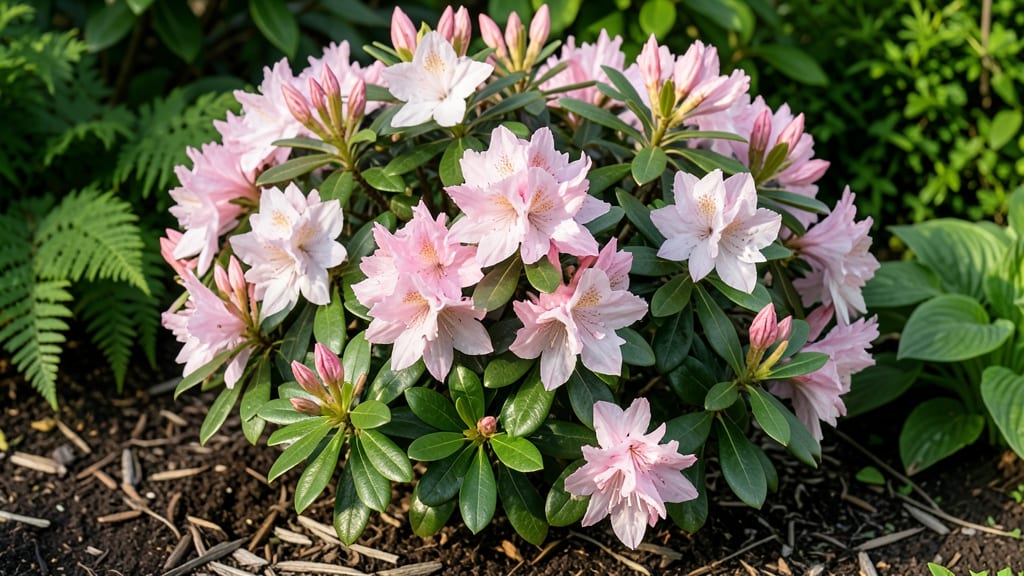
Double pink azalea bloom-a-thon turns your garden into a fragrant pink cloud that lasts all season. 🌸 I’ve designed my front yard around them, and the secret isn’t just planting—they’re all about the marathon of blooms, layering them with the right companions so every inch feels intentional.
Start by grouping them in odd-numbered clusters (3, 5, or 7) for natural movement, then tuck in silver foliage like lamb’s ear or dusty miller to make the pink pop. Underplant with hellebores or ferns for year-round texture, and you’ll have a display that thrives from spring through summer.
The payoff? A garden that feels like a bloom-a-thon—layers of pink spikes, soft greenery, and fragrant air that keeps neighbors stopping to ask for your secret. Even in containers, they command attention when paired with boxwood or ivy for structure.
Works for borders, beds, or patio pots—just keep them in morning sun, afternoon shade and water consistently. Now, let’s make your yard the talk of the neighborhood!
📚 In This Guide
- What you need
- Instructions
- Tips and common mistakes
- Wrapping up and next steps
What you need
- ● Azalea Bloom A Thon Double Pink plant: 1 healthy, well-rooted specimen (ensure it’s labeled or purchased from a trusted nursery).
- ● Well-draining potting mix: 3-5 gallons (specifically formulated for azaleas or acid-loving plants).
- ● Container or garden bed: For containers: 1-2 large pots (12-18 inches in diameter) with drainage holes.
- ● For garden beds: A spot with partial shade (4-6 hours of morning sun) and acidic soil (pH 4.5-5.5).
- ● Organic mulch: 2-3 inches (e.g., pine bark or pine needles) to retain moisture and acidify soil.
- ● Fertilizer: Azalea-specific fertilizer: 1 bag (look for high nitrogen + micronutrients like iron and magnesium).
- ○ Optional: Slow-release granules (e.g., Osmocote) for convenience.
- ● Watering can or hose with a gentle spray nozzle: 1 (avoid overhead watering to prevent fungal issues).
- ● Pruning shears: 1 pair (sterilized with rubbing alcohol).
- ○ Gloves (optional):strong> 1 pair (to protect hands from thorns or soil acidity).
- ● Know your climate: Azaleas thrive in USDA Zones 5-9. If you’re in a colder zone, opt for evergreen varieties.
- ● Test your soil: Use a pH test kit (or send a sample to a local extension office) to confirm acidity before planting.
- ● Timing: Planting: Early spring or fall (avoid extreme heat or frost).
- ● Fertilizing: Apply in early spring (just as buds form) and mid-summer (for a second flush of blooms).
- ● Patience: Double-pink azaleas may take 1-2 years to reach peak blooming glory—consistency is key!
- ● 🌡️ Water wisely: Keep soil evenly moist (not soggy!) but avoid letting it dry out completely.
- ● ✨ Deadhead strategically: Snip off spent blooms (but leave some seed pods for next year’s buds!).
- ● 🎯 Feed lightly: Over-fertilizing can reduce blooms—stick to half-strength applications if in doubt.
How to coax nonstop blooms from double pink azaleas
Here's how I get my fragrant pink azaleas to burst with continuous blooms—no tricks, just proven care.
☀️ Step 1: Position for Perfect Light Balance
Azaleas thrive in morning sun with afternoon shade—think dappled light under tall trees. In containers, rotate the pot every 2-3 weeks so all sides get equal exposure. You'll notice new growth leaning toward the light? That's your cue to move it slightly. Avoid full afternoon sun—those pink spikes wilt fast when leaves crisp.
If you're in a hotter climate, provide 30% shade cloth during peak summer hours. I've seen azaleas in direct sun drop buds before they even open—don't let that happen to yours. Test your spot by watching how quickly a paper towel dries in the sun there. If it's bone dry by noon, move your plant.
💧 Step 2: Water Deeply but Strategically
Water when the top 2 inches of soil feel dry—stick your finger in to check. Azaleas hate soggy roots but also can't tolerate drought. I use a soaker hose for 15-20 minutes twice weekly during blooming season. The key is consistent moisture—never let them dry out completely between waterings. You'll know you're doing it right when water runs freely from drainage holes without puddling.
For container-grown azaleas, I add 1 inch of mulch around the base (but never touching the trunk) to lock in moisture. Use pine bark mulch—it's acidic like azaleas love. Skip synthetic mulches; they don't break down to improve soil like organic ones do. In winter, add an extra 2 inches to protect roots from freeze-thaw cycles.
✂️ Step 3: Prune for Continuous Blooms
Prune right after blooming ends—never in fall or winter. Cut back one-third of the oldest stems to encourage new growth. I look for stems that flowered last year and make my cuts just above a leaf bud (not bare wood). This might seem drastic, but it's what triggers those lush pink spikes to return. You'll see new shoots within 4-6 weeks—that's your reward for the snip.
Remove any dead, crossing, or weak branches first. Then shape lightly by trimming leggy growth. Never prune more than one-third at a time—this plant is tough but not indestructible. After pruning, give it a balanced acid fertilizer (like 8-8-8) to support the new growth. I swear by osmocote pellets mixed into the soil—they feed slowly and won't burn roots.
🌿 Step 4: Feed with Acid Lovers in Mind
Azaleas demand acidic soil—aim for pH 4.5-5.5. I test mine every spring with a simple soil pH kit. If it's above 6.0, I mix in sulfur granules (1/2 cup per plant) and water deeply. The smell might be unpleasant, but your azalea will thank you with bigger blooms. You'll notice the leaves darken slightly after treatment—that's normal and means the pH is dropping.
Feed with an acid-loving plant fertilizer every 4-6 weeks during growing season. I alternate between liquid iron chelate (for deep green leaves) and slow-release azalea fertilizer. Never use regular garden fertilizer—it's too alkaline and will kill your blooms. After fertilizing, water deeply to wash any excess salts away from the roots.
⏰ Step 5: Protect from Seasonal Stressors
In winter, cover container azaleas with burlap or frost cloth when temps drop below 20°F. I leave it on until spring thaw—no need to rush. For in-ground plants, mound 4-6 inches of mulch around the base. Azaleas are tough, but sudden temperature swings cause buds to drop. You'll see this as brown, shriveled buds—don't let that happen to your hard work.
In summer, watch for spider mites on the undersides of leaves. I spray with neem oil weekly as prevention. If you see yellow leaves, it's usually overwatering or poor drainage. Adjust your watering schedule immediately—azaleas can't handle wet feet. The goal is consistent moisture, not soggy soil. A healthy azalea has deep green, glossy leaves with no yellowing or spots.
Tips & tricks for perfect azalea bloom care
These simple yet game-changing insights will help you transform your azalea care routine into a blooming success.
Light Balance Secret: Notice how your azalea grows—if new shoots lean toward one side, it's begging for better light rotation. In Step 1, when positioning your plant, test your spot with the paper towel trick: if it dries completely by noon, that's too much sun. The ideal morning sun with afternoon shade creates that perfect balance where leaves stay vibrant while buds develop fully. I've seen azaleas in full afternoon sun drop buds before they even opened—don't let that happen to yours.
Watering Precision: The 15-20 minute soaker hose session in Step 2 is about more than just duration—it's about saturation. Water until you see it running freely from drainage holes without puddling. This ensures roots get oxygen while maintaining consistent moisture. For container plants, I always check the soil 2 inches down with my finger before watering again, and I never let them dry out completely between waterings. That's the sweet spot between soggy roots and drought stress.
Pruning Payoff: When you're ready to prune in Step 3, look for stems that flowered last year—they're your targets for cutting back one-third. The key is making clean cuts just above a leaf bud, not bare wood. I've found that pruning right after blooming ends (not in fall or winter) triggers the most vigorous new growth. You'll see those pink spikes return within 4-6 weeks if you time it right. And remember, never prune more than one-third at once—this plant is tough but not indestructible.
Seasonal Shield: For winter protection in Step 5, I've learned that covering container azaleas with burlap or frost cloth when temps drop below 20°F makes all the difference. The extra 2 inches of mulch around in-ground plants creates an insulating barrier against freeze-thaw cycles. This simple protection prevents those heartbreaking brown, shriveled buds that appear when plants experience sudden temperature swings. Your azalea will reward you with continuous blooms if you give it this seasonal shield.
Pro Tips for Azalea Bloom A Thon Double Pink
- These simple yet game-changing insights will help you transform your azalea care routine into a blooming success.
- Light Balance Secret: Notice how your azalea grows—if new shoots lean toward one side, it's begging for better light rotation.
- Watering Precision: The 15-20 minute soaker hose session in Step 2 is about more than just duration—it's about saturation.
Frequently asked questions
1. How often should I water my Azalea Bloom A Thon Double Pink?
These beauties love consistently moist (but never soggy!) soil. Water 2-3 times per week in warm weather, or daily if your area is hot and dry. Mulch helps retain moisture—just avoid piling it against the stem. Pro tip: Stick your finger 1 inch into the soil; if it’s dry, it’s time to water!
2. When will my Double Pink Azalea bloom nonstop?
With ideal care, you’ll see continuous blooms from spring through summer (and sometimes into fall!). Key triggers: partial shade, acidic soil (pH 4.5–5.5), and regular feeding with azalea-specific fertilizer every 4–6 weeks. Patience pays off! First-year plants may take 2–3 weeks to adjust before hitting their stride.
3. Why aren’t my Double Pink Azaleas blooming as much as they should?
Bloom slumps often stem from three culprits:
- Too much sun: Move to morning sun + afternoon shade.
- Dry or alkaline soil: Amend with peat moss or pine bark and test pH.
- Over-fertilizing: Stick to balanced azalea fertilizer—no heavy nitrogen!
4. Can I grow Azalea Bloom A Thon Double Pink in containers?
Absolutely!
These thrive in pots with well-draining soil and acid-loving mix (like 50% peat moss + 50% pine bark). Container tips:
- Use a 12-inch+ pot for mature plants.
- Water daily in summer—containers dry out faster!
- Fertilize monthly with a water-soluble azalea feed.
5. What’s the best way to propagate Double Pink Azaleas?
Propagating is easiest via stem cuttings in late spring or early summer:
- Cut a 4–6 inch tip just below a leaf node.
- Strip lower leaves and dip in rooting hormone.
- Plant in moist perlite or sand and cover with plastic.
- Keep humid and warm (70°F+) until roots form (4–6 weeks).
Wrapping up and next steps
The Azalea Bloom A Thon Double Pink is a true showstopper—bursting with nonstop, fragrant pink spikes that turn any garden into a dreamy retreat. Whether you're a seasoned gardener or just starting, this azalea brings low-maintenance beauty and year-round charm, proving that stunning blooms don’t require a green thumb.
Ready to dive in? Grab your shears, pick a sunny spot, and let the magic begin! 🌸
🌿 Next Steps:
- Plant your azalea—follow the care tips above for a thriving bloom.
- Share your progress with fellow plant lovers (tag us @BloomAThon!).
- Experiment with companion plants to create your perfect fragrant garden oasis.