
Blooming
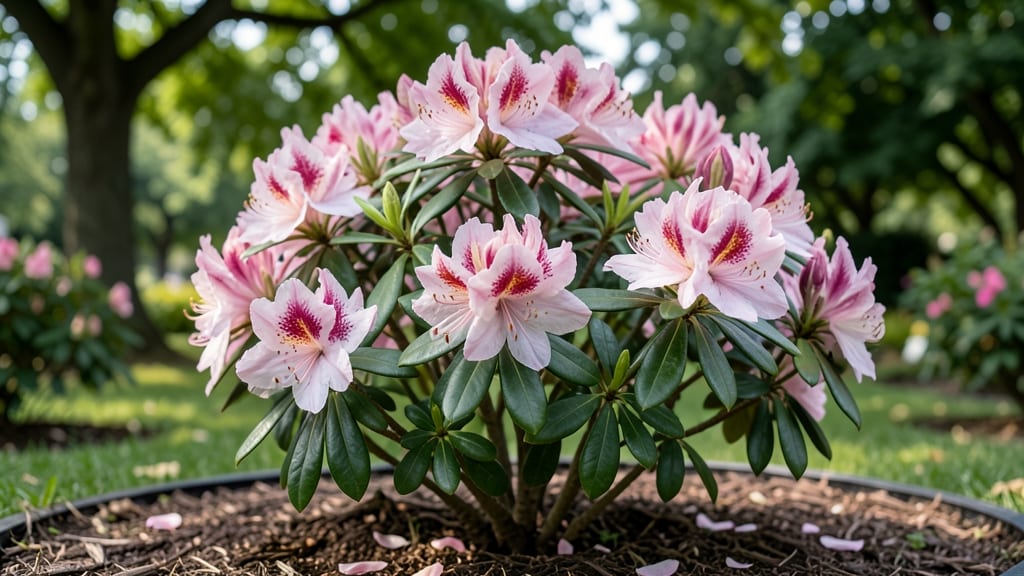
Azalea bushes bloom in spring and fall—but the exact time depends on your variety and climate zone, and missing the window can mean waiting months for those showstopping 🌸 displays.
Picture this: You’ve spent months nurturing your azalea bush, only to wake up one April morning and realize the buds haven’t even cracked open. The frustration is real, but the good news is that timing blooms isn’t just luck—it’s science.
With the right knowledge, you can predict when your azalea will burst into color and even adjust the schedule to match your garden’s rhythm.
From early bloomers like the Rhododendron ‘Girard’s’ to late-season stars like the Encore series, each azalea variety has its own calendar. In USDA Zone 6a, for example, most azaleas start flowering in late April to early May, but cooler springs can push that back by weeks.
Meanwhile, fall-blooming types might surprise you with a second show in September or October—if you’ve given them the right care.
In this guide, I’ll break down the exact bloom times by variety, share how climate and microclimates shift those windows, and give you five proven tricks to encourage healthier, longer-lasting blooms.
Whether you’re a first-time gardener or a seasoned pro, you’ll leave here with a clear plan to turn your azalea bush into a year-round star.
Azalea bloom time by variety: exact months for early, mid, and late season flowering
Knowing when your azaleas will bloom helps you plan for stunning spring displays or extend their flowering season. The bloom time varies dramatically by variety, with some azaleas bursting into color as early as February and others waiting until June.
Even within the same region, a Kurume azalea might bloom weeks before a Globe type. Let’s break down the exact months for popular azalea varieties in USDA zones 6-10, plus regional adjustments to fine-tune your expectations.
Most azaleas fall into three bloom categories: early, mid, and late season. Early bloomers like Rhododendron 'Girard’s' often appear in March, while late bloomers such as Encore azaleas may not peak until June.
Your climate zone and local microclimates can shift these timelines by 2-4 weeks. For example, coastal areas in Zone 8 might see blooms 3 weeks earlier than inland regions. Below, we’ve mapped out the exact bloom windows for 12 popular azalea varieties, including their ideal zones and regional variations.
If you’re in Zone 6, expect Girard’s azalea to bloom in late March, while Exbury varieties won’t peak until June. In Zones 8-10, the bloom window shifts earlier—some Kurume azaleas may even flower in February.
Coastal regions in Zone 9 can see 2-3 weeks earlier blooms than inland areas due to milder winters. For example, Encore azaleas in San Diego (Zone 10) might rebloom as early as March, while those in Atlanta (Zone 7b) typically wait until May.
Regional variations also depend on microclimates. A north-facing slope in Zone 7 might delay blooms by <
How climate Zone and microclimates affect azalea bloom timing (with adjustment tips)
Your azalea’s bloom schedule isn’t set in stone—it shifts dramatically based on your USDA climate zone and even tiny variations in your yard’s microclimate. A Zone 7 azalea might burst into color in early April, while the same variety in Zone 9 could wait until late May.
These differences happen because azaleas rely on chill hours (cold winter temperatures) to trigger buds and daylight length to open them. Even a south-facing wall or shady corner can delay blooms by weeks.
Beyond the zone, soil acidity, water consistency, and sunlight exposure all play critical roles. For example, azaleas in partial shade (their preference) may bloom 2 weeks earlier than those struggling in hot afternoon sun.
Meanwhile, well-draining, acidic soil (pH 4.5–5.5) keeps roots happy and blooms vibrant—skip this, and you might see smaller, sparse flowers. Let’s break down how to read your local conditions and adjust care to hit that peak bloom window you’re dreaming of.
✅ Cooler climates (Zones 5-7):
- Earlier blooms (March–April)
- Longer chill hours trigger buds reliably
- Less heat stress on flowers
❌ Warmer climates (Zones 8-10):
- Delayed blooms (May–June)
- Risk of heat stress before opening
- Shorter bloom windows (2–3 weeks vs. 4–6)
✅ Partial shade microclimates:
- Softer light preserves petal color
- Slower wilting in heat
- Encourages bushier growth (more buds)
❌ Full sun microclimates:
- Faster petal burn (bleached edges)
- Stress-induced early drop
- Leggy growth (fewer flowers)
✅ Acidic, moist soil:
- Optimal nutrient uptake for blooms
- Reduces fungal risks (root rot)
- Supports root growth for next year
❌ Alkaline or dry soil:
- Yellow leaves (chlorosis)
- Stunted buds (no flowers)
- Weak stems (prone to breakage)
If your azalea is blooming too early (like February in Zone 7), it’s likely experiencing unusually warm winters or insufficient chill hours. To adjust, move it to a cooler microclimate (e.g., north side of the house) or add winter mulch (4–6 inches of pine straw) to protect roots.
For late bloomers, check your soil pH—if it’s above 6.0, amend with sulfur or peat moss and apply an acid-loving fertilizer in early spring. You can also prune spent blooms immediately after flowering to redirect energy to next year’s buds.
Don’t overlook watering habits—azaleas in drought-prone zones (like Zone 9) may skip blooming entirely if stressed. Aim for 1–2 inches of water weekly, but avoid soggy soil. In container-grown azaleas, water every 5–7 days (they dry out faster).
A drip irrigation system set to morning hours keeps roots consistently moist without fungal risks. Pro tip: Group azaleas with rhododendrons—they share the same care needs and create a microclimate of shade for each other.
For fall-blooming varieties (like the Encore series), your adjustments focus on late-summer care. Skip heavy fertilizing after mid-August—this encourages new growth that won’t harden off before frost. Instead, mulch heavily in September to insulate roots and water deeply to prepare for winter.
In Zone 8+, where fall frosts are rare, lightly prune to open the canopy for better air circulation and fewer pests. This small tweak can extend your fall bloom window by nearly 3 weeks.
Remember, azaleas are perennial plants—they’ll adjust to your microclimate over time. Track your bloom dates for 3 years to spot patterns. If you’re in Zone 6 or colder, protect young plants with burlap wraps in winter to shield them from winter burn.
Meanwhile, Zone 10 gardeners should prune lightly in early spring to remove any heat-damaged growth from the previous year. With these tweaks, you’ll turn your azalea’s natural bloom window into a showstopping display** tailored to your yard’s unique conditions.