
Blooming
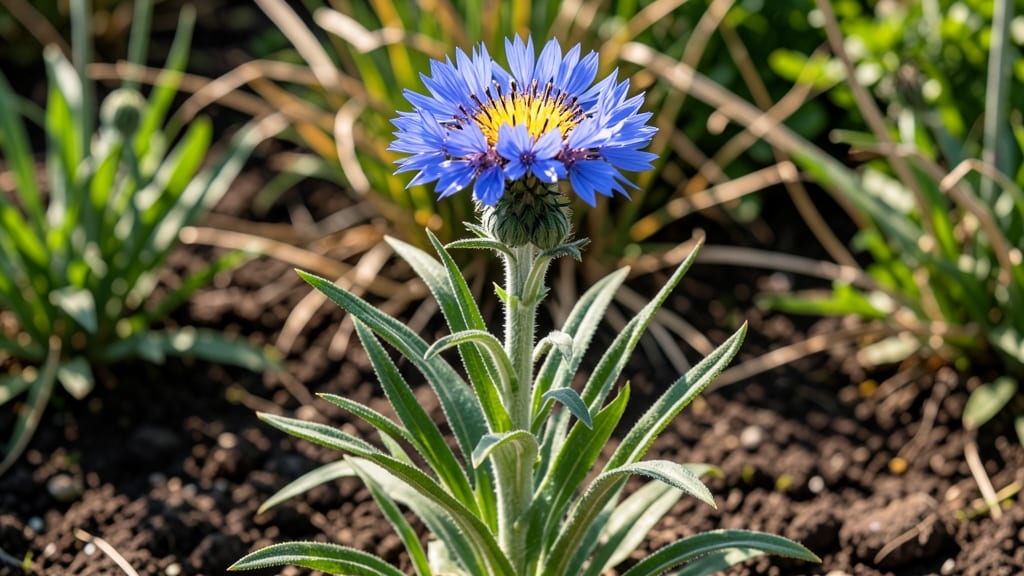
Bachelor buttons bloom time depends on heat exposure and variety — some burst into color by early June, while others wait until August, all triggered by temperature shifts.
If you’ve ever planted these cheerful 🌸 flowers expecting instant color, only to wait weeks for blooms, you’re not alone. The key is understanding how heat acts as their natural switch, with cooler nights often pushing varieties like 'Purpusii' to delay their show until late summer.
In USDA Zone 6a, where spring planting kicks off in April, most varieties need soil temps to hit 60°F before they’ll even think about blooming. That’s why early-season plantings sometimes miss the mark—patience (and a little pruning) can shift their timeline by weeks.
Below, I’ll break down the exact bloom windows for popular types, how to coax extra flowers, and which companion plants keep them performing all season long.
How heat triggers bachelor buttons bloom time by variety
Bachelor buttons (Centranthus ruber) are heat-sensitive bloomers that respond dramatically to temperature shifts. Most varieties need consistent warmth between 55–85°F to trigger bud formation, but their exact bloom windows vary. Understanding these thresholds helps you plan your garden layout and extend flowering seasons with precision.
For example, 'Coccineus'—the classic deep red variety—typically blooms from late spring to early fall when daytime temps reach 65–75°F. Meanwhile, 'Albus' (white flowers) often starts blooming 2–3 weeks earlier because it thrives in slightly cooler 60–70°F ranges.
These differences mean your garden’s microclimate can shift bloom times by weeks!
Here’s how heat triggers each variety’s bloom cycle, including early bloomers, late-season performers, and heat-sensitive exceptions like 'Purpusii' (pink flowers), which needs cooler nights to set buds.
🌡️ Pro Tip: Monitor your local high/low temps—if nights drop below 50°F, many varieties will pause blooming until warmth returns.
| Variety | Ideal Temp Range (°F) | Bloom Window | Heat Sensitivity | Best For |
|---|---|---|---|---|
| 'Coccineus' | 65–75°F | Late May–September | Moderate (stops blooming above 85°F) | Full-sun borders, containers |
| 'Albus' | 60–70°F | Early May–August | Low (blooms in cooler climates) | Rock gardens, early spring color |
| 'Purpusii' | 55–68°F | June–July (peaks early) | High (needs cooler nights) | Partial shade, cooler regions |
| 'Moonlight' | 70–80°F | July–October | Low (heat-tolerant) | Drought-prone areas, late-season color |
| 'Red Velvet' | 68–78°F | June–September | Moderate (fades in extreme heat) | Cut flowers, mixed borders |
Note: Bloom times shift 1–2 weeks earlier in warmer climates (e.g., Zone 8+) and 2–3 weeks later in cooler zones (e.g., Zone 5–6).
If you’re in a hotter climate (Zone 9+), varieties like 'Moonlight' shine because they tolerate up to 90°F without wilting. However, 'Purpusii' will bolt or stop blooming if nights stay above 70°F—this is why it’s called a cool-season performer.
For these varieties, afternoon shade can extend their bloom time by 3–4 weeks!
For late-season bloomers like 'Red Velvet', heat is a double-edged sword. While they love warm days, prolonged above 85°F causes buds to drop. To counteract this, mulch heavily with straw or gravel to keep roots cool and water deeply in the morning to reduce stress.
🌱 Garden Hack: Pair heat-sensitive varieties (e.g., 'Purpusii') with heat-tolerant companions like lantana or veronica to create a sequential bloom display from spring to fall.
Even within the same variety, soil temperature plays a role. Bachelor buttons need soil temps above 60°F to germinate and bloom. If your spring is chilly, use black plastic mulch or warm-season covers to jumpstart growth. In containers, dark pots absorb heat faster—ideal for 'Coccineus' in pots on patios.
Finally, pruning after blooms (cutting back by ⅓) can trick plants into a second flush if temps stay mild. For example, 'Albus' often reblooms in late summer if you prune in early June and maintain consistent moisture. This works best in USDA Zones 6–9 where frost isn’t a concern.
☀️ Key Takeaway: Heat isn’t just about warmth—it’s about consistency. Sudden temp swings (e.g., 90°F days + 50°F nights) confuse bachelor buttons, causing bud drop or delayed blooms. Aim for stable 60–80°F ranges for the best results.
5 Signs your bachelor buttons aren’t blooming on schedule
If your bachelor buttons (Centranthus ruber) are playing hard to bloom, don’t panic—there’s usually a simple fix. These resilient plants often delay flowering due to environmental factors or care mistakes. The good news? Most issues are easy to spot and correct once you know what to look for.
First, check your sunlight exposure. Bachelor buttons crave full sun (6-8 hours daily), but many gardeners accidentally place them in partial shade. If your plants are stretching tall with sparse blooms, they’re begging for more light. Even morning sun isn’t enough—opt for a south-facing spot instead.
5 Signs Your Bachelor Buttons Aren’t Blooming on Schedule
- 1. No buds after 60 days: If your plant shows no signs of buds 2 months post-planting, it’s likely underwatered or in poor soil. Amend with compost and water deeply once a week.
- 2. Leggy stems with few flowers: This classic sunlight deficiency symptom means relocating to a sunnier spot immediately. Bachelor buttons won’t bloom well in shade.
- 3. Yellowing leaves: Overwatering or compacted soil causes this. Let soil dry between waterings and improve drainage with perlite or sand.
- 4. Flowers fading quickly: High nitrogen fertilizer promotes leafy growth at the expense of blooms. Switch to a low-nitrogen, high-phosphorus feed (5-10-10) to encourage flowers.
- 5. Variety-specific delays: 'Purpusii' needs cooler nights (55–65°F) to trigger blooms, while 'Coccineus' thrives in 75–85°F heat. Check your microclimate!
Don’t overlook soil pH—bachelor buttons prefer slightly alkaline conditions (pH 6.5–7.5). Test your soil and amend with crushed limestone if needed. Even well-draining soil can become waterlogged in winter, causing root rot and delayed blooms.
For variety-specific issues, pay attention to temperature cues. 'Albus' varieties often bloom later in the season, while 'Purpusii' may need a brief cool snap to kickstart flowering. If your plants are healthy but stubborn, try moving them to a slightly cooler spot at night.
Finally, prune strategically. Cut back leggy stems by ⅓ in early spring to encourage bushier growth and more blooms. Just avoid heavy pruning after mid-summer, as this can delay next year’s flowers.
With these adjustments, your bachelor buttons should burst into color—often within 2–4 weeks of correcting the issue. Happy gardening! 🌸