
Blooming
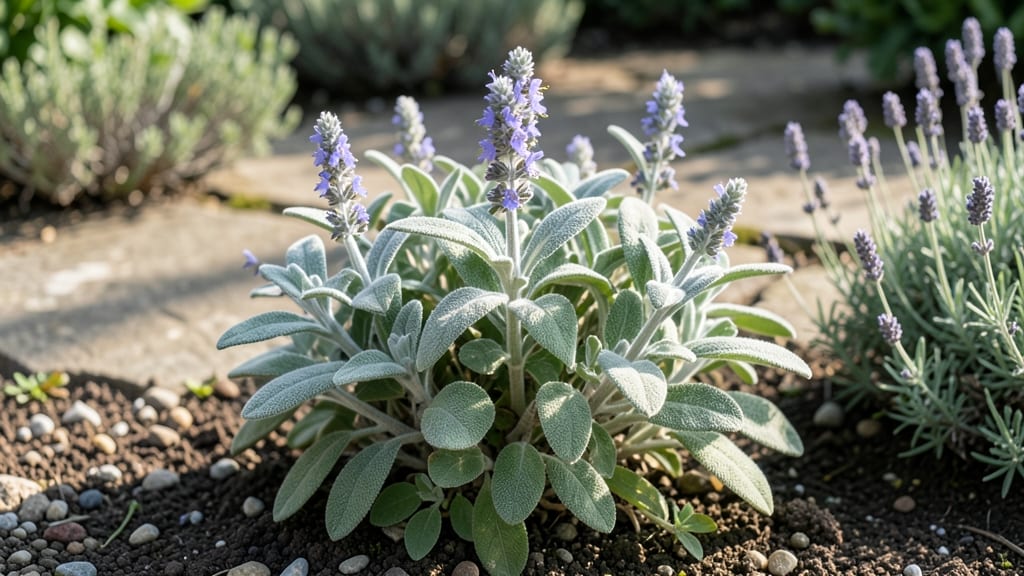
"Black and Bloom" sage transforms sun gardens with its dramatic dark foliage and lavender-blue flowers. 🌿 The secret to its striking rebloom lies in heat and proper care—this isn’t just an herb, it’s a showstopper that thrives in full sun and punches up any border or container. Its deep purple stems and velvety leaves create bold contrast, while the flowers attract pollinators all season long.
This sage works as a year-round focal point in herb gardens, mixed borders, or even as a striking container plant. Pair it with silver foliage like lamb’s ear or bright blooms like salvia to amplify its impact.
The key to its reblooming magic? Pruning after flowering and ensuring well-draining soil—no fancy tricks, just consistent care for maximum impact.
By midsummer, you’ll see it bursting with new growth and flowers, creating a dramatic wave of color. It’s drought-tolerant once established, making it low-maintenance yet impossible to ignore. The dark foliage also deepens in color with heat, turning your garden into a living work of art.
Whether you’re designing a modern herb garden or a cottage-style border, this sage delivers structure, texture, and seasonal interest—all while being deer-resistant and easy to grow. Here’s how to make the most of its heat-triggered rebloom potential.
📚 In This Guide
- What you need
- Instructions
- Tips and common mistakes
- Wrapping up and next steps
What you need
- ● Black and Bloom Sage plants: 3–5 mature plants (6–12 inches tall, hardy in Zones 5–9). Pro tip: 💡 Buy from a reputable nursery or grow from cuttings for best results!
- ● Well-draining potting mix: 2–3 cubic feet (for containers) or amend garden soil with 50% perlite or coarse sand (1 part potting mix to 1 part amendment).
- ● Slow-release fertilizer: 10–10–10 NPK blend (1 tbsp per plant or as labeled).
- ● Pruning shears: Sharp, sterilized shears (or clean scissors in a pinch).
- ● Watering can or hose with a gentle spray nozzle.
- ● Heat-tolerant mulch: 2–3 inches of gravel, pebbles, or straw (to retain heat and moisture).
- ● Gloves: Heavy-duty gardening gloves (to protect from thorns and heat).
- ● Container or raised bed: If planting in pots, use 5–7 gallon containers with drainage holes.
- ○ Heat mat or black plastic mulch: Optional for 1–2 weeks post-planting to accelerate heat exposure.
- ● Plant labels: Waterproof markers to track varieties and planting dates.
- ● Sun gauge: A simple DIY thermometer (like a spray-painted can) to monitor soil temps (aim for 75–90°F).
Step-by-Step guide to triggering black and Bloom sage rebloom
Here's how to coax your Salvia officinalis 'Black and Bloom' into a second flush of flowers—using heat and pruning like a pro.
🌱 Step 1: Prune After First Bloom Fade
Wait until the first flower spikes turn completely brown and crispy—this signals the plant has finished its primary bloom cycle. Using clean, sharp pruning shears, cut back the spent stems 1-2 inches above the lowest set of healthy leaves. This encourages new growth from dormant buds lower on the stem.
Don't cut too aggressively—you'll sacrifice the plant's energy reserves. I like to leave a few inches of stem to maintain the plant's structure. Remove any yellowing or diseased leaves at the same time to prevent fungal spread. The goal is to create a balanced shape while stimulating fresh growth.
☀️ Step 2: Provide Heat and Full Sun Exposure
Black and Bloom thrives on heat—this is the secret to triggering rebloom. Move your plant to a location with 6+ hours of direct sun and daytime temperatures above 80°F. If your climate doesn't naturally provide this, a heat lamp or grow light can help, especially in the evening when temperatures drop.
Watch for signs of stress like wilting or leaf scorch—these indicate too much heat. If needed, provide afternoon shade during extreme heat waves. The combination of heat and sunlight triggers the plant's hormonal response to produce new flower buds.
💧 Step 3: Adjust Watering and Fertilize Lightly
Reduce watering slightly after pruning—allow the top 1-2 inches of soil to dry out between waterings. Sage prefers slightly drier conditions during its dormant period, and overwatering can lead to root rot. Use a moisture meter if you're unsure; the soil should feel dry but not bone-dry.
Apply a balanced, water-soluble fertilizer (10-10-10 or similar) at half-strength every 3-4 weeks after pruning. This provides the nutrients needed for new growth without overwhelming the plant. Stop fertilizing once new growth appears—too much nitrogen will encourage leafy growth at the expense of flowers.
⏰ Step 4: Monitor for New Growth and Bud Formation
Within 4-6 weeks, you should see new growth emerging from the pruned stems. These will appear as fresh, vibrant shoots with new leaves. This is your signal that the plant is responding well to the pruning and heat treatment. Keep an eye out for small, tight buds forming at the ends of these new stems.
If you don't see new growth within 6 weeks, the plant may need more heat or additional pruning. In this case, trim back another ½ inch from the remaining stems and provide extra warmth. Once buds form, reduce fertilizer to avoid encouraging leaf growth over flowers.
🌿 Step 5: Support and Deadhead for Extended Blooms
As new flower spikes emerge, provide support if needed—especially for taller varieties. Use small stakes or plant ties to keep stems upright. This prevents the plant from bending under the weight of blooms, which can damage stems and reduce overall flower production.
Deadhead spent flowers regularly by pinching off the faded blooms with your fingers or shears. This redirects the plant's energy toward producing more flowers rather than setting seed. With proper care, your Black and Bloom sage can produce a second flush of vibrant blooms, extending your display well into fall.
Tips & tricks for perfect black and Bloom sage rebloom
Here's what nobody tells you about coaxing that second flush of color from your Black and Bloom sage.
Pruning Precision: When you're ready to trim those spent stems in Step 1, make your cuts just above a set of healthy leaves—never too close to the leaf node. I've learned this the hard way after accidentally cutting too deep and losing potential growth points. Use a clean, sharp pair of pruning shears to avoid crushing stems, which can introduce disease. The goal is to stimulate new growth while maintaining the plant's energy balance.
Heat Management: The 80°F minimum temperature in Step 2 is non-negotiable for triggering rebloom, but don't overdo it. If your plant starts showing signs of stress like wilting or leaf scorch, it's getting too much heat. During extreme summer heat waves, I've found that providing afternoon shade for 2-3 hours helps prevent damage while still maintaining the warmth needed for bud formation. Think of it as giving your plant a midday break.
Fertilizer Timing: Those 3-4 week intervals for fertilizer application in Step 3 are critical, but timing matters just as much as quantity. Always apply fertilizer in the morning when the plant can absorb it during daylight hours. I've noticed that fertilizing in the evening can lead to salt buildup on leaves, which can actually stress the plant. Once you see new growth appearing, cut back to just one application every 6-8 weeks to encourage flowering over leafy growth.
Rebloom Rescue: If you don't see new growth within the 6-week window mentioned in Step 4, don't panic. This is your cue to take action. I've had success with giving the plant an extra boost by moving it to a warmer location or even setting up a small heat mat underneath the pot. Just remember to monitor closely—too much heat can be just as damaging as too little. The key is finding that sweet spot where your plant feels comfortable enough to respond.
Pro Tips for Black And Bloom Sage
- Here's what nobody tells you about coaxing that second flush of color from your Black and Bloom sage.
- Pruning Precision: When you're ready to trim those spent stems in Step 1, make your cuts just above a set of healthy leaves—never too close to the leaf node.
- Heat Management: The 80°F minimum temperature in Step 2 is non-negotiable for triggering rebloom, but don't overdo it.
Frequently asked questions
Got questions about bringing black and bloom sage to life in your garden? You’re not alone! Here are some of the most common queries—and their answers—to help you grow stunning, heat-triggered blooms with ease.
How hot does it need to get for black and bloom sage to turn color?
This sage typically reacts to temperatures between 85°F and 100°F (29°C–38°C). Once the heat kicks in, the foliage shifts from deep purple-black to vibrant blooms in 1–3 weeks. For best results, place it in full sun (6+ hours daily) to maximize the heat effect. Pro tip: If your summers are mild, try using a heat lamp or reflective mulch to simulate warmth!
Can I grow black and bloom sage in containers? If so, what’s the best pot size?
Containers work great for this sage, especially if you’re in a cooler climate. Use a pot at least 12–18 inches wide and deep with drainage holes to prevent root rot. Opt for terracotta or fabric pots—they breathe better and help regulate soil temperature. Just ensure the container gets full sun exposure and water moderately (let the top inch of soil dry out between waterings).
Will black and bloom sage survive winter? How do I protect it?
This sage is perennial in USDA zones 7–10, but it may die back in colder areas. To protect it:
- Mulch heavily with straw or shredded leaves (3–4 inches) after the first frost.
- Wrap young plants in burlap or frost cloth for extra insulation.
- In zones below 7, grow it as an annual or overwinter indoors in a sunny window.
With proper care, it’ll bounce back come spring!
What if my sage isn’t changing color? Troubleshooting tips?
If your sage stays stubbornly black without blooming, check these fixes:
- Not enough heat: Move it to a sunnier, warmer spot or use a heat source.
- Overwatering: Sage hates soggy roots—reduce watering and ensure fast-draining soil.
- Nutrient deficiency: Fertilize lightly with low-nitrogen, high-phosphorus fertilizer (like 5-10-10) to encourage blooms.
- Age of plant: Younger plants may take longer to react—be patient!
Most issues resolve with more sun and less water!
Are there alternatives to black and bloom sage for heat-loving gardens?
If you love the drama of heat-triggered color changes, try these stunning alternatives:
- Purple Smoke Bush (Cotinus coggygria) – Turns fiery red in fall.
- Black Mondo Grass (Ophiopogon planiscapus ‘Nigrescens’) – Stays dark but adds texture.
- Heatwave Coleus (Solenostemon) – Shifts colors with temperature (annual).
- Red Hot Poker (Kniphofia) – Blooms in response to heat and sunlight.
Each brings a unique twist to sun-loving gardens!
Wrapping up and next steps
Discovering the black and bloom sage magic is like unlocking a secret garden—one where heat triggers vibrant reblooms and sun-loving plants thrive with minimal effort! 🌿✨ This heat-activated rebloom technique isn’t just practical; it’s a game-changer for sun gardens, blending beauty with low-maintenance brilliance.
Whether you’re a seasoned gardener or just starting, the key is patience and a little heat-triggered patience.
Ready to transform your garden? Start small—try this technique with a few plants, observe their response, and let their blooms inspire your next steps. Your sun garden’s next masterpiece could be just a heat wave away!