
Propagation
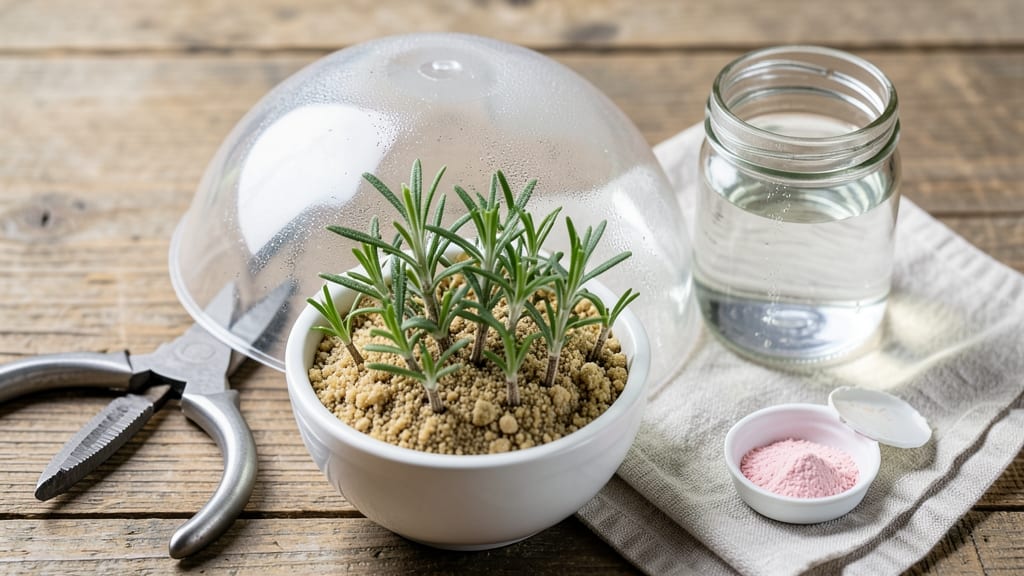
Propagation of the dramatic Black and Bloom Salvias means purple spikes in just 4 weeks—no waiting for seeds to sprout or divisions to establish. 🌱 I’ve propagated this striking plant for years, and the secret lies in timing, the right rooting medium, and a little patience.
The dark foliage and vibrant blooms make it worth every effort, especially when you multiply plants for free.
You’ll need sharp pruners, a well-draining mix of perlite and peat moss, and a clear plastic bag to create humidity. The best time to take cuttings is in early summer when the plant is actively growing but before the heat peaks.
A single 4-inch cutting can root in 2-3 weeks, and with proper care, you’ll have a thriving new plant ready for transplanting.
Once rooted, these cuttings develop the same striking dark leaves and velvety purple blooms as the parent plant. The key is keeping the soil moist but not soggy—root rot is the biggest enemy.
After 4 weeks, you’ll have sturdy young plants that can be moved to their permanent spot, where they’ll reward you with months of bold color.
This method works for both garden beds and containers, making it perfect for gardeners with limited space. Whether you’re expanding your collection or sharing cuttings with friends, you’ll have healthy, vibrant Salvias in no time. Let’s get those cuttings growing!
📚 In This Guide
- What you need
- Instructions
- Tips and common mistakes
- Wrapping up and next steps
What you need
- ● Salvia cuttings: 4–6 healthy, non-flowering stems (4–6 inches long), cut just below a leaf node.
- ● Rooting hormone: 1 small bottle (e.g., Clonex or Dip ‘N Grow).
- ● Well-draining potting mix: 1 bag (5–10 quarts) of a blend like cactus/succulent mix or perlite + peat moss (50/50 ratio).
- ● Small pots or propagation trays: 4–6 (3–4 inches wide) with drainage holes.
- ○ Clear plastic dome or humidity tent: Optional but helpful for retaining moisture.
- ● Spray bottle: 8–16 oz, for gentle watering.
- ● Pruning shears or sharp scissors: Sterilized to avoid disease.
- ● Label markers: To track varieties (e.g., Black and Bloom).
- ● Warmth: Consistent temps of 70–75°F (21–24°C) (use a heat mat if needed).
- ● Bright, indirect light: A sunny windowsill or grow lights (12–14 hours/day).
- ● Humidity: High (70–80%)—use a humidity dome or mist regularly.
- ● Patience: Roots typically form in 3–4 weeks!
- ● 🌱 Trim leaves: Remove lower leaves to reduce moisture loss.
- ● 🔥 Avoid overwatering: Let the top inch of soil dry between waterings.
- ● ✨ Transplant carefully: Wait until roots are 2+ inches long before repotting.
Step-by-step instructions for Black and Bloom salvias propagation
Here's how to multiply your favorite purple salvias reliably—no fancy tools needed.
🌱 Step 1: Take Cuttings at the Right Time
Choose healthy stems from your mature Black and Bloom salvias in early summer when new growth is 3-4 inches long and still flexible. Use clean, sharp scissors to cut just below a leaf node—this is where roots will form. I always take cuttings on a cloudy morning when the plants are well-watered; the stems stay crisp and won't wilt during propagation.
Remove the lower 2-3 sets of leaves to expose the stem nodes. This prevents rot and directs energy toward root growth. Strip leaves only down to where the next node begins—leaving too much bare stem slows rooting. Discard any cuttings with yellow or damaged leaves; they won't survive the process.
💧 Step 2: Prepare Root Hormone and Planting Medium
Dip the cut end of each stem in rooting hormone powder (I use a 0.8% IBA formula). Shake off excess so the powder doesn't clump—this ensures even coverage where roots will emerge. While the cuttings are prepped, fill 4-inch pots with a mix of 50% perlite and 50% peat moss (or coconut coir if you prefer). This lightweight blend drains well and prevents fungal issues.
Moisten the medium until it's damp but not soggy—squeeze a handful to check. If water drips out, let it dry slightly. The goal is a consistently moist environment without waterlogging, which would rot the cuttings before roots form. I like to work in batches of four cuttings at a time to keep everything fresh.
☀️ Step 3: Plant and Maintain Humidity
Insert each cutting 2 inches deep into the prepared medium, firming the mix gently around the stem. Space them 2 inches apart in the pot to allow airflow. Place the pot inside a clear plastic bag or under a humidity dome—this traps moisture at 70-80% humidity, which salvias love for rooting. Prop cuttings in bright, indirect light (no direct sun) at 65-75°F for best results.
Check the medium daily—mist lightly if the surface feels dry to the touch. Condensation inside the bag is normal, but if it fogs completely, lift the bag for 30 minutes to prevent mold. Roots typically appear in 3-4 weeks, but don't peek too often—disturbing the humidity disrupts the process. Patience here pays off with strong, established plants.
✂️ Step 4: Transition to Independent Growth
Once new leaves appear (usually after 4-6 weeks), roots are forming. Gently tug on a cutting—if it resists, it's ready to graduate. Remove the humidity dome and move pots to bright light, gradually introducing morning sun over 7-10 days to harden them off. I start with 2 hours of sun daily, increasing by 1 hour each day until they're in full sun.
Water when the top inch of soil feels dry, but avoid letting the roots dry out completely. After 2 weeks of full sun, your new salvias will be ready to transplant into the garden or larger containers. Pinch back the tips to encourage bushier growth—this is the moment they start looking like their parent plants.
Tips & tricks for perfect Black and Bloom salvias propagation
Took me a while to figure these out, so here goes—your shortcuts to stress-free propagation.
Timing Secret: The 3-4 inch length for cuttings is non-negotiable—any shorter and they won't have enough energy to root, while longer stems risk drying out before roots form. I've found that cloudy mornings in early summer give me the best success rate because the plants are hydrated but not stressed from heat. If you miss the summer window, late spring or early fall cuttings can work, but expect slightly slower rooting.
Rooting Hormone Hack: That 0.8% IBA formula makes all the difference—it's the gold standard for woody plants like salvias. If you can't find it, a generic rooting powder with at least 0.3% IBA will work in a pinch. The key is to dip just the cut end and shake off excess; clumps won't help and can actually prevent root formation. I like to work in batches of four cuttings at a time to keep everything fresh and the hormone potent.
Medium Moisture Check: The "squeeze test" for moisture is your best friend—if water drips out when you compress the medium, it's too wet. Too soggy medium causes rot before roots even form. I've ruined batches by being too cautious, so remember: damp but not dripping is the perfect balance. The 50% perlite mix is crucial here—it prevents compaction while still holding enough moisture for root development.
Humidity Management: That 70-80% humidity range is critical, but don't let the plastic bag become a sauna. If you see complete fogging, lift it for 30 minutes to prevent mold. I've learned the hard way that salvias are sensitive to fungal issues during this vulnerable stage. The daily misting keeps the environment stable without over-saturating the medium—think of it like maintaining a greenhouse microclimate for your cuttings.
Pro Tips for Black And Bloom Salvias Propagation
- Took me a while to figure these out, so here goes—your shortcuts to stress-free propagation.
- Timing Secret: The 3-4 inch length for cuttings is non-negotiable—any shorter and they won't have enough energy to root, while longer stems risk drying out before roots form.
- Rooting Hormone Hack: That 0.8% IBA formula makes all the difference—it's the gold standard for woody plants like salvias.
Frequently asked questions
Got questions about propagating Black and Bloom salvias? You’re not alone! Here are answers to the most common concerns—from timing to troubleshooting—so you can grow those stunning purple spikes with confidence.
When is the best time to take cuttings for Black and Bloom salvias?
The ideal window is late spring to early summer (May–June in most U.S. zones) when the plant is actively growing but hasn’t yet flowered. Avoid winter cuttings—they struggle to root in cooler temps. Pro tip: If you miss the season, try a heating mat to encourage rooting year-round!
How long does it take for cuttings to root and grow new plants?
With the right conditions (warmth, humidity, and rooting hormone), you’ll see roots in 2–3 weeks and new growth in 4–6 weeks. Patience pays off—rush the process, and you risk leggy or weak stems. Watch for: tiny white roots peeking from the base of your cutting!
Can I propagate Black and Bloom salvias from seeds instead of cuttings?
Yes, but it’s slower and less reliable for true-to-type plants. Seeds may produce mildly different colors or take 6–12 months to bloom. Cuttings guarantee identical purple spikes in weeks. Save seeds for experimenting with hybrid varieties!
My cuttings are turning yellow or mushy—what’s wrong?
This usually means overwatering or poor drainage. Let the soil dry slightly between waterings, and ensure pots have drainage holes. If the base is soft, trim the rotted part, dip in rooting hormone, and replant in fresh, sterile mix. Prevent it: Use a 50/50 perlite/peat mix for aeration!
Should I use rooting hormone, or can I skip it?
Rooting hormone doubles your success rate (especially for finicky salvias). Dip the cut end in powder or gel before planting. No hormone? Try cinnamon powder (natural antifungal) or willow water (DIY rooting tea). Just be patient—it may take 1–2 extra weeks!
Wrapping up and next steps
Growing Black and Bloom Salvias from cuttings is a rewarding way to expand your garden with vibrant purple blooms in just four weeks! With the right tools—clean scissors, rooting hormone, and a cozy propagation station—you’ll be well on your way to lush, thriving plants.
Whether you’re a seasoned gardener or a beginner, this method is simple and effective.
Now that you’re armed with the know-how, roll up your sleeves and start propagating! Try experimenting with different mediums or timing to see what works best for your climate.
Before you know it, you’ll have a stunning display of Black and Bloom Salvias to share with fellow plant lovers. Happy growing! 🌱✨