
Blooming
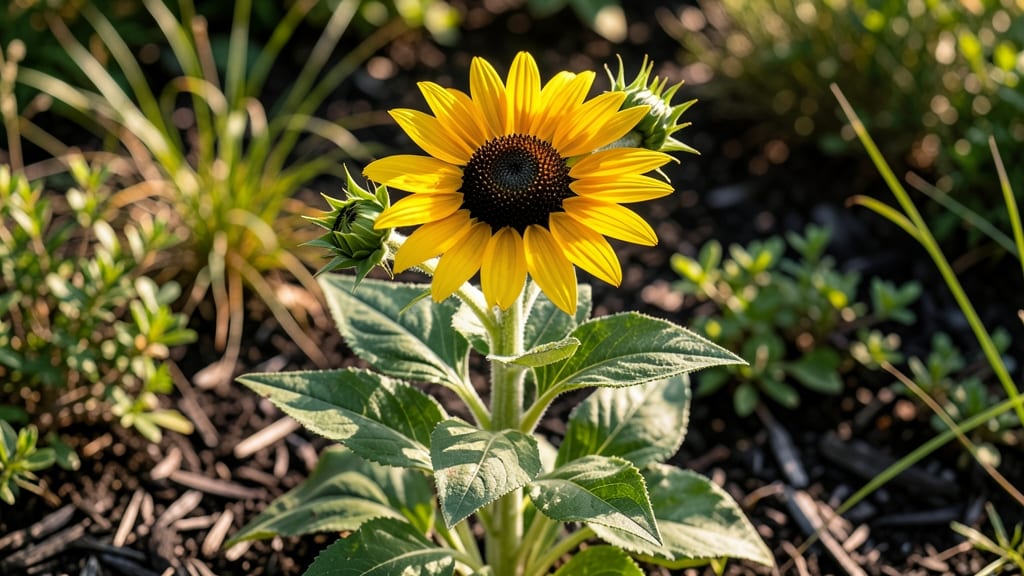
Black Eyed Susan blooms typically arrive between July and September 🌼, but the exact timing depends on your zone, variety, and a few simple care tricks.
Picture this: You’ve just planted your cheerful yellow blooms in spring, only to wonder why your neighbors’ gardens are already bursting with color by summer. The answer? Timing is everything—and it’s not just about the calendar.
In Zone 6a, where most gardeners start, Black Eyed Susans usually kick off their show in mid-July, but cooler regions or late plantings can push that back.
Meanwhile, heat-loving varieties might start as early as June in the South, while Northern gardens might not see full color until August.
Here’s the game-changer: With the right planting window, deadheading, and a little extra sun, you can stretch those blooms from early summer to deep fall. I’ll show you exactly how—plus the best companion plants to keep your garden glowing all season.
Black Eyed Susan bloom time by USDA plant hardiness Zones
Black Eyed Susans (Rudbeckia hirta) are summer's rockstars, but their bloom timing shifts dramatically depending on your USDA zone and variety. In Zone 3, you might see late July blooms, while Zone 10 gardeners enjoy flowers from June through October.
Understanding these variations helps you plant for peak color and avoid frost-related setbacks.
Northern gardeners (Zones 3-6) often face shorter bloom seasons due to early frosts, while Southern gardeners (Zones 7-10) can extend displays with late-season varieties.
The key? Choosing the right cultivar and planting at the optimal time—typically 4-6 weeks before your last frost date for early blooms.
Here's how bloom times break down by zone, including early, mid, and late-season varieties that thrive in your region:
| USDA Zone | Bloom Start | Peak Bloom | Bloom End | Frost Risk | Planting Tip |
|---|---|---|---|---|---|
| 3-4 | Late July | August | Early September | High (late frost) | Plant 'Indian Summer' for late color |
| 5-6 | Early July | July-August | Late September | Moderate | Deadhead to extend season |
| 7-8 | June | June-September | October | Low | Use 'Goldsturm' for long blooms |
| 9-10 | May | May-November | December | None | Plant 'Cherokee Sunset' for fall color |
In Zones 3-4, where frosts linger into May, late-blooming varieties like 'Indian Summer' are essential. These plants often bloom 4-6 weeks later than standard types, giving you a second chance at color before winter sets in.
I’ve found that planting these in well-draining soil with full sun exposure helps them push through early cold snaps.
For Zones 5-6, the sweet spot for Black Eyed Susans, you’ll see blooms from early July through September. This is the zone where mid-season varieties like 'Goldsturm' truly shine, offering 3-4 weeks of continuous blooms if you deadhead regularly.
The first frost in these zones typically arrives in October, so plan to enjoy your flowers for 8-10 weeks.
Southern gardeners in Zones 7-10 have the advantage of extended bloom seasons. In Zone 10, some varieties like 'Cherokee Sunset' can flower from May through December, though they may take a brief break in summer heat.
To maximize blooms, I recommend succession planting—adding new plants every 4-6 weeks to keep your garden vibrant year-round.
Frost sensitivity is the biggest challenge for Northern gardeners. Black Eyed Susans are hardy perennials, but their tender blooms can’t survive below 20°F. If you’re in Zones 3-5, protect your plants with mulch or row covers in late fall to preserve next year’s blooms.
I’ve also had success cutting back plants in early spring to encourage new growth and earlier flowering.
Adjusting your planting time can also shift bloom periods. For earlier flowers, sow seeds indoors 8-10 weeks before your last frost date and transplant
Top 5 Black Eyed Susan varieties ranked by bloom duration & season
Choosing the right Black Eyed Susan variety can transform your garden from a summer highlight to a season-long spectacle. Some varieties bloom for just a few weeks, while others reward you with continuous color from early summer through fall.
Let’s explore the top 5 performers based on bloom duration, seasonal performance, and adaptability to your climate.
If you’re in hotter zones (7-10), heat tolerance becomes critical—some varieties wilt under 90°F+ temperatures, while others thrive. For cooler regions (Zones 3-6), frost hardiness and early reblooming matter most. I’ll highlight each variety’s strengths so you can pick the perfect match for your garden’s conditions.
🌼 Bloom Duration & Seasonal Performance
'Goldsturm' remains the gold standard for most gardeners, thanks to its 8-week bloom cycle (July–September) and reblooming potential in cooler climates. Its golden-yellow petals with dark centers create a bold contrast that attracts pollinators like bees and butterflies. For extended color, pair it with 'Fireworks', which blooms 2 weeks earlier and features bi-color petals in shades of red, orange, and yellow.
Heat tolerance is where 'Indian Summer' shines—it thrives in Zones 7-10 and continues blooming until first frost in many regions. Its deep coppery-red flowers add warmth to late-summer gardens. If you’re in a cooler zone (3-6), 'Herbstsonne' is a hidden gem, offering long stems perfect for cutting and a 3-week extension of blooms compared to standard varieties.
For compact gardens or container planting, 'Cherry Brandy' delivers 3-inch-wide blooms in a wine-red hue, though its shorter bloom window (6 weeks) makes it best for seasonal highlights rather than long-term displays.
To maximize your garden’s visual impact, interplant varieties with staggered bloom times—like 'Fireworks' in early summer and 'Indian Summer' in fall.
Pro tip: Deadhead spent blooms weekly to encourage reblooming, especially with 'Goldsturm' and 'Fireworks'. In hotter climates, mulch heavily to retain moisture and prevent heat stress during peak summer months.
With the right variety and care, your Black Eyed Susans can keep your garden vibrant from June through October!