
Blooming
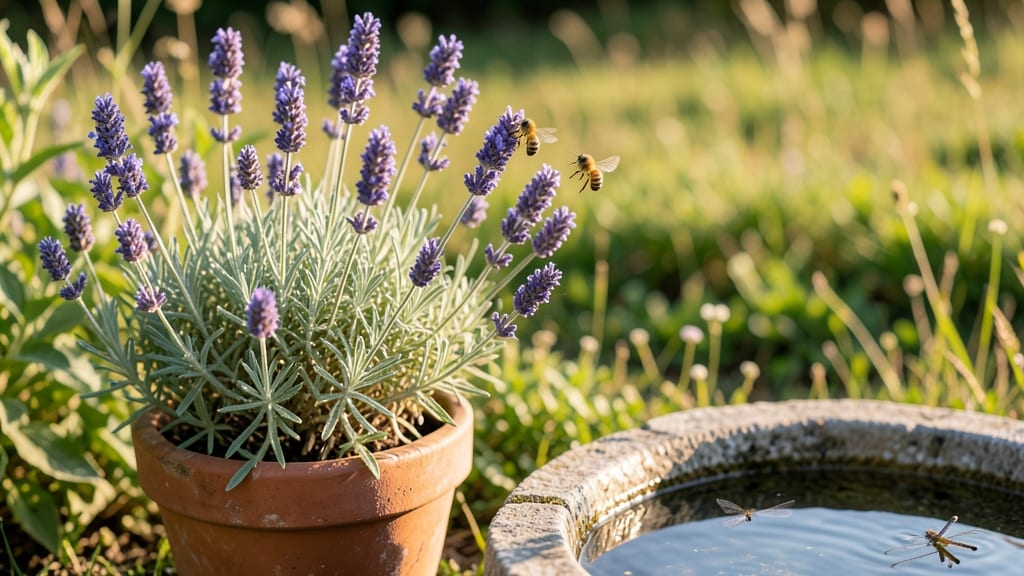
Year-round purple spikes mean bees buzzing all season—no deadheading required. 🌿 I stumbled onto this trick while designing my front yard: a mix of lavender, catmint, and Russian sage that stays blooming from spring through frost, attracting pollinators without extra work.
The secret lies in choosing self-cleaning perennials that shed old blooms naturally, creating a purple haze that never fades. Plant in sunny borders where bees can find them easily, and layer heights for visual drama. My garden now hums with activity while looking like a painter’s palette.
By summer’s end, you’ll have a bee-friendly oasis that thrives on neglect. The fragrance alone—sweet, herbal, and intoxicating—makes this the easiest way to support pollinators while keeping your garden stunning. No clippers, no fuss, just endless blooms.
Works in containers, borders, or even as a low-maintenance hedge. Perfect for busy gardeners who want beauty and impact. Let’s make your yard a bee’s paradise without the upkeep.
📚 In This Guide
- What you need
- Instructions
- Tips and common mistakes
- Wrapping up and next steps
What you need
- ● Purple Coneflower (Echinacea purpurea) – 3-5 plants (choose disease-resistant varieties like 'Magnus' or 'White Swan' for contrast).
- ● Well-draining potting mix – 10-15 lbs (or enough to fill your chosen containers).
- ● Organic compost – 2-3 cups (for nutrient-rich soil).
- ● Slow-release fertilizer – 1 lb (10-10-10 NPK ratio).
- ● Container or garden bed – 5-6 gallon pots (or a sunny garden spot with 6+ hours of sunlight).
- ● Watering can or hose with a gentle spray nozzle – For consistent moisture without overwatering.
- ● Pruning shears – Sharp, clean pair (for minimal trimming—no deadheading needed!).
- ● Mulch (straw or shredded bark) – 2-3 inches to retain moisture and deter weeds.
- ● Bee-friendly companion plants – 1-2 plants like lavender or salvia to attract pollinators.
- ● Decorative stones or pebbles – For a polished look in containers.
- ● Garden gloves – To keep hands clean while handling soil.
How to create a year-round purple spike display without deadheading
Here's the secret to vibrant, bee-loving blooms that keep producing purple spikes all season long.
🌱 Step 1: Select the Right Perennials for Continuous Bloom
Choose plants known for their long flowering seasons and natural self-cleaning habits. Russian Sage (Perovskia atriplicifolia) produces airy purple spikes that bloom from early summer until frost, often reblooming the following spring. Lavender (Lavandula) varieties like 'Grosso' or 'Munstead' create fragrant purple spikes that flower repeatedly throughout the season without needing deadheading.
For a more structured look, Catmint (Nepeta) and Salvia nemorosa both produce purple flower spikes that bloom prolifically for months. These plants naturally shed spent blooms, eliminating the need for deadheading while keeping the display vibrant. Plant them in groups of 3-5 for a full, layered effect.
☀️ Step 2: Plant in Full Sun with Well-Draining Soil
All these perennials thrive in full sun (6+ hours daily), so choose a south-facing location that gets maximum light exposure. Amend your soil with 1-2 inches of compost mixed into the top 6 inches of soil to improve drainage and fertility. These plants hate soggy roots, so if your soil stays wet for more than 24 hours after rain, raise beds or plant on a mound.
Dig holes twice as wide as the root ball but only as deep—planting too deep suffocates roots. Space plants 18-24 inches apart to allow air circulation, which prevents fungal diseases that can dull the purple hues. Water deeply after planting to settle the soil around roots.
💧 Step 3: Water Deeply and Infrequently
Established plants need water only when the soil feels dry 2-3 inches down. Stick your finger in the soil—if it's dry at that depth, water until moisture reaches 6 inches deep. Overwatering causes root rot, which kills these drought-tolerant perennials faster than any other issue.
I water mine every 7-10 days during summer unless we have a heatwave. Mulch with 2-3 inches of wood chips to retain moisture and keep roots cool. The mulch also prevents weeds from competing for nutrients, which helps the purple spikes stay vibrant longer.
✂️ Step 4: Prune Strategically for Next Season's Growth
In late winter or early spring, cut back last year's growth by one-third to encourage fresh, vigorous shoots. This is the only pruning needed—no deadheading required! The plants naturally shed spent blooms, leaving room for new growth. For Russian Sage, I shear it back to 6-8 inches tall, while Lavender only needs trimming if it gets too leggy.
This pruning timing is crucial—doing it too early can stimulate new growth that gets damaged by late frosts. Wait until you see new shoots emerging before cutting back. The fresh growth will produce even more purple spikes than the previous year.
🪴 Step 5: Fertilize Lightly for Extended Blooming
Feed plants in early spring with a low-nitrogen, high-phosphorus fertilizer (like 5-10-5) to encourage flowering rather than leafy growth. Apply only half the recommended dose—these plants don't need much. Over-fertilizing leads to weak stems that flop under heavy blooms.
I skip summer fertilizing entirely—too much nitrogen at this time produces lush foliage but fewer flowers. Instead, side-dress with 1 tablespoon of compost around each plant in early spring. The key is to encourage blooming, not leaf production, for those stunning purple spikes.
Tips & tricks for perfect year-round purple spikes
These pro insights will help you create a low-maintenance, bee-friendly display that thrives all season without deadheading headaches.
Plant Selection Strategy: Russian Sage and Lavender are the rockstars of this display, but don't overlook Catmint's silvery foliage that adds texture contrast. I always include at least one of each in my beds—Russian Sage for height (3-4 feet), Lavender for fragrance (2 feet), and Catmint for ground cover. The key is their natural self-cleaning habit that eliminates deadheading entirely.
Soil Preparation Secret: The 6-inch deep compost amendment in Step 2 isn't just about drainage—it's about creating a sponge-like environment that holds moisture while preventing compaction. I like to mix in perlite for extra aeration, especially in heavy clay soils. This prevents those purple spikes from developing fungal issues that can dull their vibrant color.
Watering Wisdom: Those 7-10 day intervals might seem long, but these plants are drought-tolerant once established. The finger test in Step 3 is crucial—wait until the soil is bone-dry 2-3 inches down. I've learned the hard way that overwatering causes root rot, which kills these perennials faster than any other factor. A soaker hose set on a timer for 10 minutes every 10 days works perfectly.
Pruning Precision: The one-third cut back in Step 4 might seem drastic, but it's essential for next year's blooms. For Russian Sage, I use clean, sharp shears to cut back to 6-8 inches—never pull or tear stems. This prevents disease entry points. The timing is everything: wait until you see those first green shoots poking through the soil before pruning, usually in late February or early March in most climates.
Pro Tips for Bloom And Bee
- These pro insights will help you create a low-maintenance, bee-friendly display that thrives all season without deadheading headaches.
- Plant Selection Strategy: Russian Sage and Lavender are the rockstars of this display, but don't overlook Catmint's silvery foliage that adds texture contrast.
- Soil Preparation Secret: The 6-inch deep compost amendment in Step 2 isn't just about drainage—it's about creating a sponge-like environment that holds moisture while preventing compaction.
Frequently asked questions
about Bloom and Bee—your go-to purple powerhouse that keeps blooming without fuss!How long does it take for Bloom and Bee to start flowering after planting?
With proper care, you’ll see vibrant purple spikes in 6–8 weeks after planting. For container-grown plants, expect blooms even sooner—sometimes within 4–6 weeks! Just ensure full sun (6+ hours daily) and consistent moisture for the fastest results.
Can Bloom and Bee survive winter, or do I need to protect it?
This hardy beauty thrives in USDA Zones 5–9 and handles light frost, but heavy snow or sub-zero temps may require mulch or row covers. In colder zones, treat it as an annual or overwinter indoors with minimal light. Pro tip: Prune back dead stems in early spring to encourage fresh growth!
What if my Bloom and Bee isn’t flowering? Troubleshooting tips?
No blooms? Check these fixes:
- Light: Needs full sun—move to a sunnier spot if blooms are sparse.
- Water: Overwatering or drought stress can delay flowers. Aim for 1 inch/week.
- Fertilizer: Feed with low-nitrogen, high-phosphorus fertilizer (like 5-10-5) every 4–6 weeks.
- Pruning: Deadhead only if you want fewer blooms—this variety self-cleans!
Are there alternatives to Bloom and Bee for year-round color?
Yes! Try these low-maintenance, self-cleaning perennials for continuous blooms:
- Coneflower (Echinacea) – Drought-tolerant, attracts pollinators.
- Black-Eyed Susan (Rudbeckia) – Thrives in heat, blooms late summer.
- Russian Sage (Perovskia) – Silvery foliage, purple spikes, deer-resistant.
- Catmint (Nepeta) – Fragrant, blooms spring to fall, great for borders.
Does Bloom and Bee attract bees and butterflies?
Its nectar-rich flowers are a magnet for bees, butterflies, and hummingbirds. For extra pollinator power, plant near lavender, cosmos, or milkweed. Avoid pesticides—chemicals harm beneficial insects and reduce blooms!
Wrapping up and next steps
Transforming your garden into a year-round purple paradise with Bloom and Bee is simpler than you think! 🌸 With the right techniques—like strategic pruning, soil prep, and companion planting—you can enjoy vibrant blooms without the fuss of deadheading.
The key? Consistency and a little patience to let nature do its magic.
Ready to dive in? Start by choosing your favorite purple perennials and experiment with the tips shared. Watch your garden thrive—one bloom at a time! 🐝✨
Next step: Pick a sunny spot, gather your supplies, and let Bloom and Bee guide you to a garden that’s always in bloom!