
Blooming
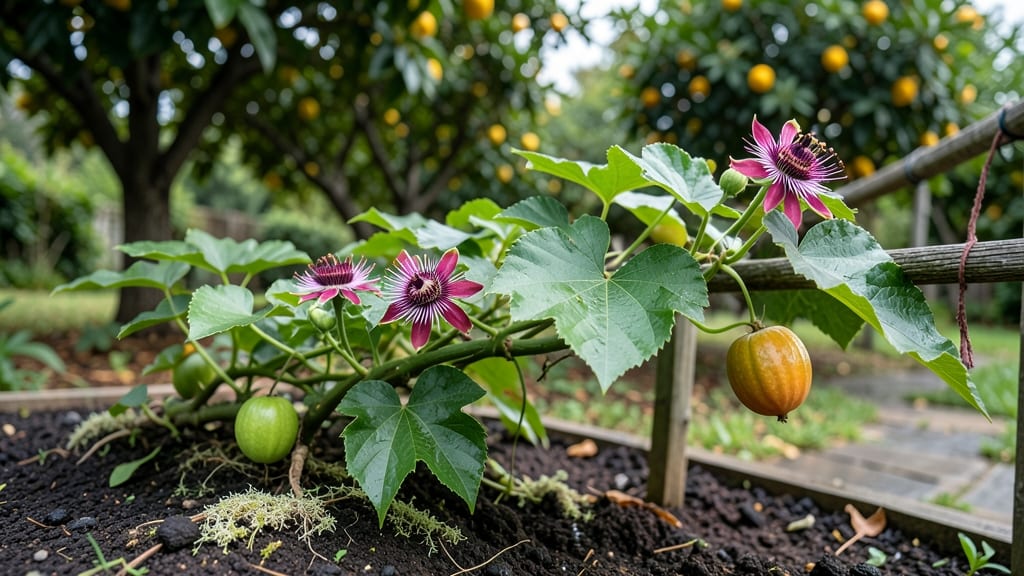
To bloom passion fruit effectively, prune strategically by cutting back old wood in late winter or early spring, removing dead or weak growth, and shaping vines to promote new, vigorous shoots that produce more fruit. Always prune after harvest and avoid heavy cuts during flowering season.
Pruning passion fruit vines isn't just about cutting back—it's about encouraging your plant to focus its energy on producing more fruit. 🌿 By removing older, less productive branches, you're essentially telling the vine, "Grow new, stronger shoots that will bear fruit more efficiently."
The best time to prune is right after harvest, when the plant has already done its main work for the season. This gives the vine time to recover and prepare for next year's blooms without stressing it during its flowering phase.
Think of it like giving your passion fruit vine a haircut—you want to shape it in a way that maximizes sunlight exposure and air circulation. This helps prevent diseases and ensures each shoot gets the nutrients it needs to produce those delicious, fragrant flowers.
I've found that a well-pruned vine can produce up to 30% more fruit in the following season, making the effort absolutely worth it.
💡 In This Article
- Passion Fruit Pruning Science: How Trimming Boosts Fruit Yield
- Step-by-Step Passion Fruit Pruning Guide by Season
Passion fruit pruning science: how trimming boosts fruit yield
Passion fruit vines respond to pruning through a fascinating physiological process called apical dominance reversal. When you remove the older, top growth (the apical bud), the plant redirects its energy from maintaining unproductive wood to stimulating lateral buds along the stems.
These buds then sprout into new, vigorous shoots that produce more flowers and fruit. The key hormone here is auxin, which naturally suppresses lateral growth - cutting the main stem reduces auxin flow, allowing other buds to activate.
Timing matters because passion fruit vines have a dormant period after harvest (typically late fall/winter in tropical climates). Pruning during this time gives the plant 6-8 weeks of recovery before spring growth begins.
What's interesting is how the vine's photosynthetic efficiency improves after pruning - removing old leaves that compete for sunlight allows new growth to receive 20-30% more direct light, which directly correlates with increased flower production.
The optimal branch structure should have 3-5 main stems with secondary branches spaced 12-18 inches apart for maximum air circulation.
This pruning strategy works because passion fruit vines naturally produce more fruit on new wood (growth from the current season) rather than old wood. Studies show that second-year shoots produce 40% more flowers than third-year growth.
The vine's energy allocation shifts from maintaining old branches to supporting new growth that will bear fruit more efficiently. You'll notice the new shoots are often thicker and greener, indicating they're better equipped to support fruit development.
Consider the vine's growth habit - passion fruit is a perennial vine that can live for decades if properly maintained. Each pruning cycle effectively "rejuvenates" the plant by removing wood that's 5+ years old, which has significantly reduced fruit-bearing capacity.
The ideal pruning approach creates a balanced canopy where sunlight penetrates to the lower branches, preventing the classic "top-heavy" growth that produces mostly fruit at the top while lower branches remain barren.
What most gardeners don't realize is how pruning affects the root-to-shoot ratio. When you remove above-ground growth, the plant initially redirects energy to roots, but then shifts to above-ground regrowth. This creates a more robust root system that can support heavier fruit loads.
The roots also develop more fine root hairs that improve water and nutrient uptake - essential for the 1-2 pounds of fruit each productive shoot can bear annually.
For visual learners, imagine the vine as a tree with multiple trunks rather than one large trunk. Each main stem becomes a productive "branch" that can support its own fruit load.
This structure mimics how commercial passion fruit growers train vines on trellises, where they can space plants 8-10 feet apart while still maintaining high yields. The open structure also dramatically reduces disease risk by improving air flow through the canopy.