
Blooming
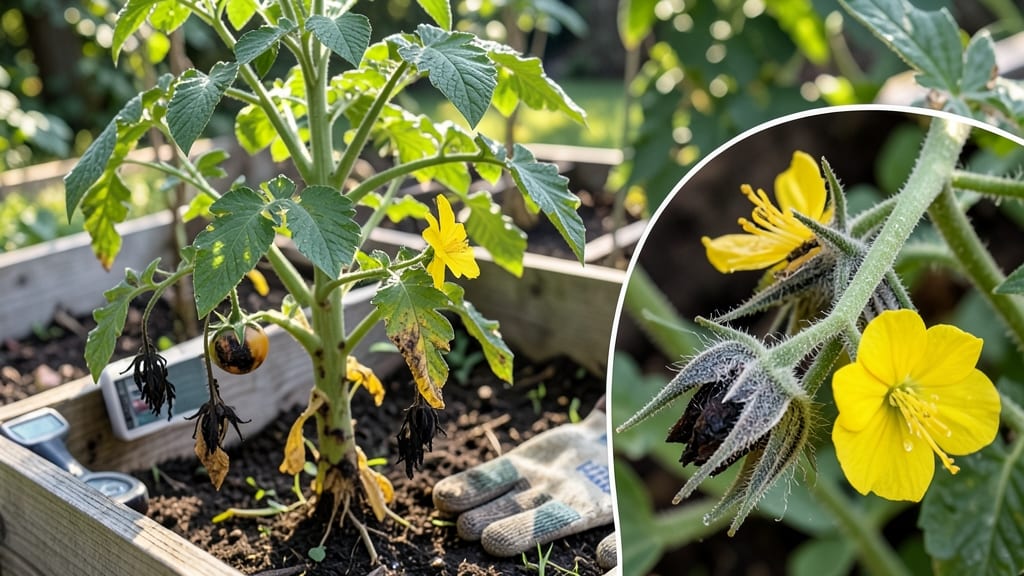
Your tomato harvest is on the line when bloom rot strikes—those sunken, leathery spots on the bottom of your fruit mean wasted effort and frustration. 🌱 I’ve lost entire batches to this stubborn problem, but I’ve also learned how to stop it before it ruins another season.
The key lies in understanding what triggers these ugly patches and how to fix the underlying issues.
Most gardeners blame inconsistent watering, but the real culprit is often a calcium deficiency—especially in hot, dry weather. Your tomatoes need steady moisture and enough calcium to develop strong cell walls, and when either is missing, those telltale dark spots appear.
The good news? You can prevent it with simple adjustments to your watering routine and soil care.
Once you spot bloom rot, don’t panic—there are ways to salvage the fruit and protect future harvests. Pruning affected tomatoes, applying calcium-rich amendments, and keeping soil evenly moist can turn things around.
By the end of summer, you’ll have a system that keeps your tomatoes looking plump and healthy from blossom to ripe fruit.
This works for all tomato varieties, whether you’re growing in the ground, containers, or raised beds. The secret is consistency—water, feed, and monitor your plants like they’re the VIPs they are. Let’s get those tomatoes thriving again!
Root Causes Of Tomato Blight
Understanding why bloom rot strikes your tomato plants is the first step to stopping it. This fungal menace thrives when specific conditions align—like a perfect storm for disease. Let’s break down the science behind it so you can outsmart the problem.
Bloom rot (Alternaria solani) spreads like wildfire when tomatoes are drenched in water, especially during flowering. Here’s why:
- Overhead Watering 💦: When water splashes onto blossoms or foliage, it creates a damp environment where fungal spores germinate. The fungus enters through tiny wounds or natural openings in plant tissue. - High Humidity 🌡️: Stagnant air traps moisture, giving spores the perfect breeding ground.
Greenhouses or dense plantings without airflow are high-risk zones. - Rain at Blooming Time ⛈️: Nature’s watering system is the worst offender. Rain during flowering washes spores onto petals, where they infect the developing fruit.
Actionable Fix: Water at the base of plants in the early morning (so foliage dries by night). Use drip irrigation or soaker hoses to avoid wetting leaves or blossoms.
Heat and humidity are a deadly combo for tomato health. Bloom rot loves:
- Temperatures Above 80°F (27°C): High heat weakens plant defenses, making them vulnerable to fungal attacks. The fungus thrives in these conditions, multiplying rapidly.
- Poor Ventilation 🌬️: Without airflow, spores linger, and infected debris (like fallen leaves or blossoms) stays moist, spreading spores to healthy plants.
Actionable Fix: Prune plants for better airflow, especially in greenhouses. Use fans to circulate air and avoid overcrowding. Choose heat-tolerant tomato varieties if your climate is hot.
Bloom rot doesn’t appear out of nowhere—it’s usually already lurking:
- Previous Infestations 🏡: Spores can survive in soil for years, especially in organic matter like old plant debris.
If you’ve grown tomatoes (or other solanaceous plants like peppers or eggplants) in the same spot before, spores are waiting. - Contaminated Tools or Seeds 🔪: Pruners, trellises, or even seed packets can carry spores.
Reusing materials without sterilizing them spreads the problem. - Wild Hosts in the Garden 🌿: Weeds or volunteer nightshade plants (like black nightshade) can harbor the fungus and infect your tomatoes.
Actionable Fix: Rotate crops—don’t plant tomatoes in the same spot for at least 3 years. Sterilize tools with a 10% bleach solution (1 part bleach to 9 parts water) between uses. Remove and destroy infected plant debris immediately.
Too much of a good thing can backfire. Bloom rot is more aggressive when tomatoes are stressed:
- Excess Nitrogen 💥: While nitrogen promotes leafy growth, it can weaken structural integrity, making plants more susceptible to fungal entry points. - Potassium Deficiency 🚨: Potassium strengthens cell walls—without it, tomatoes become soft targets for pathogens.
Look for yellowing leaf edges or weak stems as signs of deficiency. - Overwatering + Fertilizer Combo 💦: When soil is soggy and rich in salts (from fertilizers), roots struggle to absorb nutrients, weakening the plant’s immune response.
Actionable Fix: Use a balanced fertilizer (like 10-10-10) and focus on potassium-rich amendments (wood ash, banana peels, or greensand). Test soil pH (aim for 6.0–6.8) and avoid overwatering.
A tomato plant fighting other battles is an easy target for bloom rot:
- Viral or Bacterial Infections 🦠: Diseases like early blight, late blight, or bacterial spot create entry points for Alternaria solani.
- Pest Damage 🐜: Aphids, spider mites, or hornworms chew on leaves, leaving wounds where spores can invade.
- Transplant Shock 🌱: Stress from sudden environmental changes (like moving plants outdoors too early) weakens defenses.
Actionable Fix: Inspect plants regularly for pests or disease. Treat infestations immediately with neem oil or insecticidal soap. Harden off seedlings gradually before transplanting.
Pro Tip 💡: Preventative Fungicides can be a game-changer. Apply copper-based or sulfur sprays before symptoms appear, especially if your garden is prone to bloom rot. Follow label instructions for timing and safety.
Fixing Tomato Bloom Rot Step by Step
Now that you know what causes bloom rot in tomatoes, let’s tackle the problem head-on with practical, actionable solutions. The key is addressing the root cause while protecting your plants from further damage. Here’s how to turn things around—whether you’re dealing with wet weather, poor airflow, or fungal buildup.
Bloom rot thrives in soggy soil, so the first step is to cut back on watering and improve drainage. Follow these steps:
- 🔥 Reduce Watering Immediately Stop watering your tomato plants at the base, especially in the evening. Instead, use drip irrigation or soaker hoses to deliver water directly to the soil, keeping leaves dry. Water early in the morning so foliage has time to dry before nightfall.
- 🍳 Improve Soil Drainage If your soil is heavy clay or compacted, amend it with compost, perlite, or coarse sand to create better airflow. Raised beds are also a great solution for tomatoes, as they drain faster and reduce waterlogging.
- 👨🍳 Mulch Strategically Apply a 2-3 inch layer of organic mulch (straw, wood chips, or grass clippings) around plants—but keep it away from the stem to prevent moisture buildup. This helps regulate soil temperature and reduces evaporation, cutting down on the need for frequent watering.
- ⏰ Adjust Your Watering Schedule Tomatoes need 1-1.5 inches of water per week, but never let them sit in wet soil. Use your finger to check moisture—if the top inch is dry, it’s time to water.
High humidity and fungal spores worsen bloom rot. Here’s how to break the cycle:
- 💡 Prune for Better Airflow Remove lower leaves (especially those touching the soil) and crowded branches to improve circulation. Aim for an open, "V-shaped" plant structure—this helps air and sunlight reach all parts of the plant, reducing humidity pockets where fungus loves to hide.
- 🔥 Apply Fungicides Proactively Use copper-based fungicides (like copper sulfate) or baking soda spray (1 tbsp baking soda + 1 quart water + a few drops of dish soap) as a preventive measure.
Spray every 7-10 days during wet seasons. For organic growers, neem oil or potassium bicarbonate are effective alternatives.
- 🎯 Reduce Nighttime Humidity If you’re growing in a greenhouse or shaded area, use ventilation fans or dehumidifiers to keep humidity below 70%. In home gardens, avoid watering after dusk and consider row covers during rainy periods.
If bloom rot has already set in, don’t despair—you can still salvage some of your crop:
- 🔪 Trim Infected Blooms & Fruit Remove any flowers or small tomatoes showing signs of rot (dark, sunken spots) to prevent the fungus from spreading. Use sterilized pruners and dispose of infected plant material in the trash (not the compost).
- 🌿 Support Healthy Fruit Development For remaining healthy flowers, hand-pollinate by gently shaking the plants or using a small brush to transfer pollen. This encourages fruit set and reduces stress on the plant.
- 🥘 Harvest Early & Often Pick ripe tomatoes as soon as they’re ready—this reduces the plant’s energy drain and lowers the risk of rot spreading to unripe fruit. If a tomato shows early signs of rot, harvest it before it worsens and use it in sauces or cooking.
Once you’ve treated the current issue, keep these pro tips in mind to prevent future outbreaks:
- 💡 Choose Resistant Varieties Opt for disease-resistant tomato varieties like ‘Mountain Merit,’ ‘Defiant PhR,’ or ‘Bush Early Girl.’ These are bred to handle wet conditions better.
- 🌡️ Plant in the Right Spot Avoid low-lying areas where water pools. South-facing slopes or elevated beds help prevent waterlogging.
- 🎯 Rotate Crops Don’t plant tomatoes (or other nightshades like peppers and eggplants) in the same spot year after year. Rotate with beans, peas, or lettuce to break the fungal cycle.
- 🔥 Solarize Soil (For Severe Cases) If bloom rot is a recurring problem, solarize your soil in late summer: Cover the bed with clear plastic for 4-6 weeks to bake out pathogens.
By following these steps, you’ll minimize damage, protect your plants, and even save some of your harvest from bloom rot. Stay vigilant, and your tomato plants will reward you with healthy, juicy fruit all season long! 🍅🌟
Frequently asked questions about tomato bloom rot
Why do only the bottoms of my tomatoes show rot while the rest looks fine?
Bloom rot targets the blossom end (the bottom) of tomatoes because that's where calcium uptake is weakest. The fungus Alternaria solani thrives in damp conditions and attacks through tiny openings in the fruit's skin, creating those characteristic sunken, leathery spots. The rest of the tomato often stays unaffected because the rot doesn't spread internally.
Can I still eat tomatoes with bloom rot?
Yes, but with caution! Cut off the rotten portion and use the rest for cooking (sauces, soups) where the texture won't matter. Avoid eating raw tomatoes with visible rot, as the affected area may harbor fungal spores. For severe cases, compost the entire tomato—don't risk spreading spores through your kitchen.
What's the fastest way to fix bloom rot if I already have it?
Start by removing all infected blossoms and fruit immediately. Then apply a calcium spray (like calcium chloride solution) and switch to drip irrigation to keep leaves dry. For organic growers, a baking soda spray (1 tbsp baking soda + 1 quart water + dish soap) every 7 days helps stop fungal spread while you adjust watering habits.
Will mulch make bloom rot worse?
Not if applied correctly! Mulch helps by regulating soil moisture and temperature, but you must keep it 2-3 inches away from the plant stem to prevent moisture buildup. Use straw or wood chips instead of thick organic mulch that stays wet. The key is maintaining airflow around the base while reducing evaporation.
Can I prevent bloom rot in containers?
Container tomatoes need well-draining soil mixed with perlite or vermiculite, and you must water only when the top inch is dry. Add 1 tablespoon of crushed eggshells (for calcium) to the planting hole, and use self-watering containers to maintain consistent moisture without soggy soil.