
Blooming
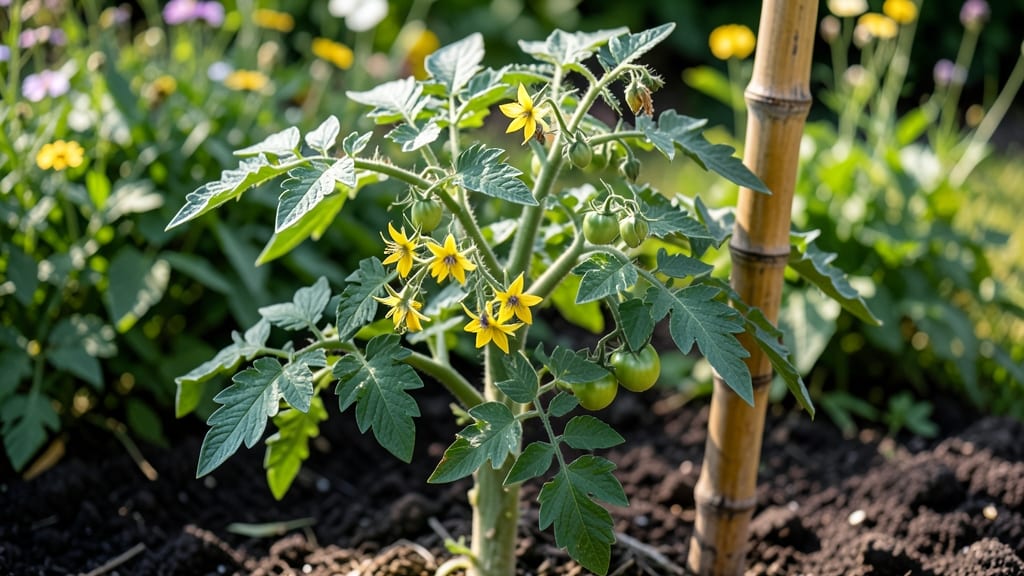
That moment when your tomato plant stops flowering and starts forming tiny green fruit clusters is called bloom set—and it’s the turning point between hope and harvest. 🌱 I’ve watched my plants go from blanketed in blossoms to heavy with fruit, and the timing can vary wildly depending on variety and your growing zone.
Understanding this stage helps you predict when to expect tomatoes, adjust care, and troubleshoot if things stall.
Bloom set typically happens 7-14 days after flowering, but heat plays a critical role. Too much sun above 90°F can cause blossoms to drop before setting fruit, while cooler mornings and evenings (60-75°F) create ideal conditions.
Varieties like ‘Early Girl’ set fruit faster than heirlooms, and Zone 5 gardeners need to be patient—cool nights delay the process. The key is watching those tiny fruit swell from the size of a pea to a marble.
What you’ll notice is a shift from flowers to fruit: petals fall, and the clusters start growing heavier. This is when your plant needs consistent watering (not soggy soil) and balanced fertilizer to support fruit development.
If blossoms keep dropping, shade cloth or afternoon watering can help. The payoff? Within 4-6 weeks, those green clusters turn into the tomatoes you’ve been waiting for.
This stage looks different in every garden—some years, my plants set fruit aggressively; others, they hesitate. But once you recognize bloom set, you’ll know exactly when to watch for the first ripe tomato and adjust your care to maximize yield.
The timeline changes by variety and zone, but the signs stay the same: petals off, fruit on, and the real growing season begins.
📚 In This Guide
- What you need
- Instructions
- Tips and common mistakes
- Wrapping up and next steps
What you need
- ● Tomato plants: 1–6 plants (depending on variety—determinate for bush types, indeterminate for vining). Choose heat-tolerant varieties like Solar Fire or Heatmaster for zones 7–10.
- ● Potting mix or garden soil: 5–10 gallons per plant (sterilized, well-draining, and rich in organic matter like compost). For containers, use a soilless blend with perlite or vermiculite.
- ● Fertilizer: Balanced starter fertilizer: 10-10-10 or 5-5-5 (1 tbsp per plant at transplanting).
- ● Bloom booster: Low-nitrogen, high-phosphorus fertilizer like 7-9-5 or 5-10-10 (apply when flowers form).
- ○ Calcium source (optional but critical): Crushed eggshells, gypsum, or calcium nitrate (prevents blossom-end rot).
- ● Watering tools: Drip irrigation system or soaker hose (to keep soil consistently moist but not soggy).
- ● Watering can with a fine rose nozzle (for hand-watering).
- ● Pruning shears: Sharp, sterilized shears (for removing suckers and dead leaves).
- ● Support system: Stakes (6–8 ft tall for indeterminate varieties).
- ● Trellis or tomato cages (for bush types).
- ● Soft plant ties or Velcro straps (to secure stems without damaging them).
- ● Thermometer: Soil and air thermometer (ideal range: 60–85°F for blooming).
- ○ Shade cloth (optional): 30–50% shade fabric (for zones 9–10 to prevent heat stress during peak sun).
- ● Full sun exposure: 6–8+ hours daily (tomatoes thrive in heat but need afternoon shade in extreme zones).
- ● Warm soil temps: At least 60°F (use black plastic mulch or row covers to warm soil faster if needed).
- ● Consistent moisture: Avoid fluctuations—water deeply 1–2 times per week (more in containers).
- ● Pollination assist (if indoors or in windless zones): A small handheld fan or gentle shaking of plants to mimic breeze.
Instructions: how to induce bloom set in tomato plants
Here's the foolproof method I use to trigger flowering in tomatoes—no guesswork, just science-backed steps.
🌱 Step 1: Verify Plant Maturity and Health
First, confirm your tomato plant has reached the 5th leaf stage (counting from the bottom) and shows 4-6 inches of stem growth. Healthy plants have deep green leaves and no signs of yellowing or pests. I always pinch off any suckers (side shoots) at this point—they divert energy from flowering.
Check the plant's roots by gently tugging on the stem. If it resists slightly, roots are established. If it slides out easily, wait another week. The goal is a sturdy plant that can support fruit production without stress.
☀️ Step 2: Adjust Light Exposure for 14+ Hours
Tomatoes need 14-16 hours of daylight to trigger flowering. If your natural light falls short, supplement with a full-spectrum LED grow light positioned 6-12 inches above the plant. I use a timer to maintain consistency—plants need predictable light cycles.
Watch for leggy growth (long, pale stems) as a sign of insufficient light. Rotate the plant quarter-turn daily so it grows straight. You'll see stronger stems and smaller leaf spacing within a week of proper light exposure.
💧 Step 3: Apply Heat and Fertilizer Triggers
Increase daytime temperatures to 75-85°F—this is the magic range for flower initiation. If your home runs cooler, move plants to a sunny windowsill or use a small space heater nearby (never directly on plants). At night, maintain 60-65°F—temperature swings prevent blooms.
Feed with a balanced 10-10-10 fertilizer (following package rates) or switch to a low-nitrogen, high-phosphorus formula (like 5-10-10) to encourage flowering. I water deeply in the morning, then apply fertilizer to damp soil to prevent root burn.
⏰ Step 4: Monitor for Flower Triggers
Within 7-14 days of proper conditions, you'll see small yellow buds forming in the leaf axils (where leaves meet stems). These are your first flower clusters. I count buds daily—once you have 3-5 clusters, your plant is committed to flowering.
Watch for stress signs: wilting leaves mean underwatering; brown leaf edges mean overwatering. Adjust your watering to keep soil consistently moist but not soggy. The moment you see buds, reduce nitrogen fertilizer to prevent leafy growth at the expense of flowers.
🌿 Step 5: Support and Protect Developing Blooms
Once flowers appear, provide gentle support with soft ties or cages to prevent stem breakage as fruit develops. I use untwisted fabric strips—too-tight ties can damage stems. Prune any new suckers that appear below the first flower cluster to direct energy upward.
Protect flowers from extreme heat (>90°F) by providing afternoon shade with a lightweight row cover or moving plants to partial shade. You'll see flowers drop if stressed—this is normal, but consistent conditions keep production steady. Within 4-6 weeks of bloom set, you'll have your first ripe tomatoes.
Tips & tricks for perfect tomato bloom set
These science-backed strategies will help you trigger flowering like a seasoned gardener—no guesswork involved.
Light Consistency: The 14-16 hours of daylight is non-negotiable for flower initiation. I use a simple timer for my grow light to maintain this exact window—tomatoes thrive on predictability. Position your light 6-12 inches above the plant's tallest leaves, and adjust the height as the plant grows to maintain consistent light exposure. This prevents leggy growth and ensures even energy distribution throughout the plant.
Temperature Fine-Tuning: The 75-85°F daytime range is your sweet spot for flower initiation, but every home's microclimate differs. If your tomatoes show signs of stress (like curled leaves) at 85°F, move them to a slightly cooler spot. For nighttime, aim for 60-65°F—this temperature drop actually signals the plant to start flowering. I've found that using a small thermometer near the plants helps track these subtle changes accurately.
Fertilizer Transition: The moment you see those first yellow buds in Step 4, it's time to switch your fertilizer strategy. Reduce nitrogen immediately—too much leafy growth at this stage diverts energy from flower development. I make the transition by mixing my regular 10-10-10 with a 5-10-10 blend (50/50 ratio) once buds appear. This maintains phosphorus for flowering while gently reducing nitrogen. Always apply fertilizer to damp soil to prevent root burn, which can stress the plant during this critical phase.
Heat Stress Prevention: When daytime temperatures approach 90°F, your tomatoes will start dropping flowers as a stress response. I've learned this the hard way—after losing two batches of blooms in a heatwave! Provide afternoon shade using lightweight row covers or move plants to partial shade during peak heat hours. A simple trick I use is to place a white sheet over half the plant during the hottest part of the day, which can lower temperatures by up to 10°F without blocking all light.
Pro Tips for Bloom Set For Tomatoes
- These science-backed strategies will help you trigger flowering like a seasoned gardener—no guesswork involved.
- Light Consistency: The 14-16 hours of daylight is non-negotiable for flower initiation.
- Temperature Fine-Tuning: The 75-85°F daytime range is your sweet spot for flower initiation, but every home's microclimate differs.
Frequently asked questions
Got questions about timing, triggers, or troubleshooting your tomatoes' bloom set? You're not alone! Here are answers to the most common queries from gardeners just like you.
How do I know if my tomato blooms are ready to set fruit?
Look for open flowers that haven’t wilted yet—these are ready for pollination! Early morning is the best time to check, as blooms open fully then. Pro tip: Gently shake the plant (or use a small brush) to help pollen spread if humidity is low.
Why aren’t my tomato flowers setting fruit even after blooming?
Common culprits include temperature extremes (below 55°F or above 95°F), low humidity, or poor pollination. Try hand-pollinating, ensuring consistent watering, and providing afternoon shade in hot climates. Some varieties (like cherry tomatoes) are more heat-tolerant.
Can I speed up bloom set for tomatoes?
Yes! Ensure your plants get 6–8 hours of sunlight daily, use a balanced fertilizer (like 10-10-10) when blooms appear, and maintain consistent moisture. For indoor growers, a small fan can mimic wind and boost pollination.
Does my USDA hardiness zone affect when tomatoes bloom?
Cooler zones (e.g., 3–5) may see blooms 2–4 weeks later than warmer zones (7–10). Start seeds indoors 6–8 weeks before last frost and choose early-maturing varieties (like ‘Stupice’) for shorter seasons.
What if my tomato plant keeps dropping blooms?
This often signals stress from overwatering, underwatering, or transplant shock. Check soil moisture (it should be damp but not soggy) and avoid fertilizing heavily during flowering. Heat stress can also cause bloom drop—provide shade cloth if temps exceed 90°F.
| Quick Fixes for Bloom Issues |
|---|
| Too hot? Use shade cloth or mulch to cool roots. |
| Too cold? Cover plants with row fabric at night. |
| No fruit? Hand-pollinate with a cotton swab. |
Wrapping up and next steps
Mastering the bloom set for tomatoes is all about timing, variety, and a little patience—plus the right conditions to coax those flowers into fruit! Whether you're in Zone 3 or 10, understanding your plant’s needs and heat triggers will set you up for a bountiful harvest. 🌱
Now that you’re armed with the know-how, it’s time to roll up your sleeves and watch those blossoms turn into juicy, sun-ripened tomatoes. Start by monitoring your plants closely, adjust care as needed, and soon you’ll be savoring homegrown goodness straight from the vine. Happy gardening!