
Blooming
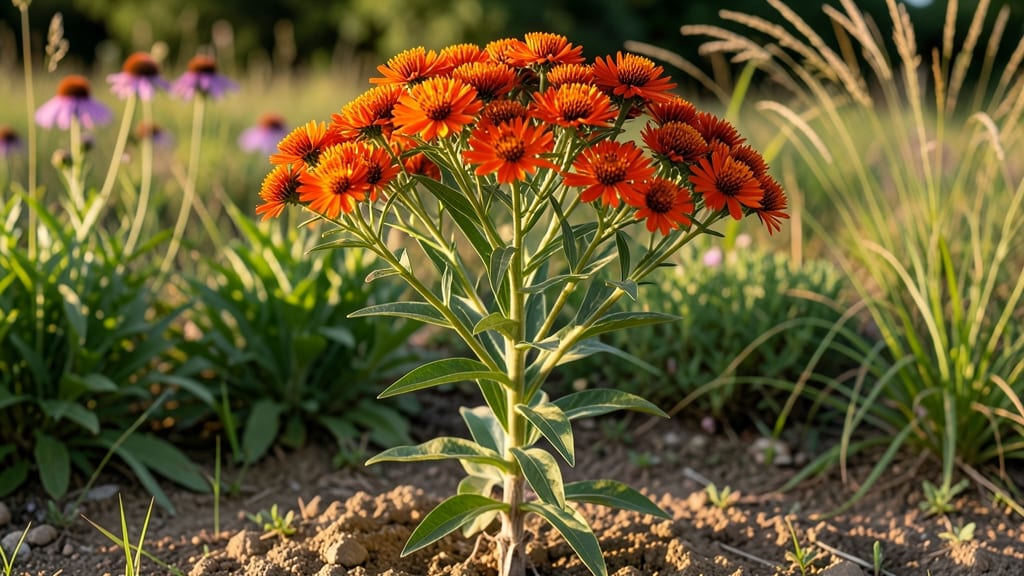
The butterfly weed bloom time depends on heat—this drought-tolerant native bursts into vibrant orange clusters when temperatures rise, typically between mid-to-late summer 🦋, turning your garden into a pollinator paradise.
If you’ve ever wondered why your butterfly weed (Asclepias tuberosa) suddenly bursts into vibrant orange blooms after months of green foliage, the answer lies in heat—this drought-tolerant native plant is triggered by rising temperatures rather than a fixed calendar.
In USDA Zone 6a, expect those bright clusters to appear from June to August, though cooler regions may see them slightly later. The key? Full sun and patience—once the mercury climbs, your plant will reward you with weeks of color.
Below, I’ll break down how to time your planting for the best blooms, which varieties flower fastest, and simple tricks to extend that show-stopping season even longer.
When butterfly weed blooms by US hardiness Zone: heat-triggered months
Butterfly weed (Asclepias tuberosa) doesn't follow a strict calendar—it blooms when the mercury rises. Unlike frost-sensitive plants, this native beauty triggers its orange blooms based on temperature thresholds, typically between 70°F and 85°F.
That means gardeners in Zone 3 might see flowers in July, while those in Zone 10 could enjoy them as early as May.
This heat-dependent behavior explains why some years your butterfly weed blooms earlier or later than expected. The plant's internal clock responds to consistent warmth, not just the number of days since planting.
Understanding your USDA zone helps predict when to expect those vibrant clusters that attract monarch butterflies and hummingbirds.
| Zone | Avg. Bloom Start | Peak Bloom | Bloom Duration | Temp Trigger |
|---|---|---|---|---|
| 3-4 | Late July | August-Sept | 4-6 weeks | 75°F+ |
| 5-6 | Mid-July | July-August | 5-7 weeks | 70°F+ |
| 7-8 | Early June | June-July | 6-8 weeks | 65°F+ |
| 9-10 | April-May | May-June | 7-9 weeks | 60°F+ |
In Zone 3-4, where summers are short, butterfly weed often waits until late July to bloom, taking advantage of every warm day. The 4-6 week bloom period means you'll see flowers through early September if temperatures stay mild.
Gardeners in these zones should plant in late spring to give roots time to establish before heat arrives.
Zone 5-6 gardeners typically see blooms starting in mid-July, with peak color in August. The slightly earlier start gives monarch butterflies more time to feed before their migration. These zones benefit from well-draining soil to prevent rot during occasional summer rains that can delay flowering.
Southern gardeners in Zones 7-8 enjoy the earliest blooms, often starting in early June. The longer growing season allows for 6-8 weeks of continuous color, making butterfly weed a reliable pollinator magnet. Here, the key is ensuring full sun exposure—even partial shade can delay blooming until July.
In the warmest zones (9-10), butterfly weed sometimes blooms as early as April if winter temperatures didn't drop below 30°F. The extended 7-9 week bloom period means you might see flowers through July.
These regions should focus on watering during establishment, as drought can stress plants and reduce bloom quantity.
Regional variations exist even within zones. For example, coastal Zone 8 areas may bloom later due to cooler ocean breezes, while inland desert climates in the same zone might see earlier blooms. Pay attention to your microclimate—south-facing slopes bloom earlier than shaded areas.
To encourage earlier blooms, provide well-draining soil with added compost and ensure 6+ hours of sunlight. Avoid over-fertilizing with nitrogen, which promotes leafy growth at the expense of flowers. Instead, use a balanced 5-10-10 fertilizer in early spring to support bud formation.
If your butterfly weed isn't blooming when expected, check for overcrowding or poor drainage. These issues can delay the heat-triggered response.
Remember, butterfly weed is a perennial—once established, it may take 2-3 years to reach full bloom potential, but the wait is worth it for those vibrant orange clusters.
🦋
Butterfly weed varieties with fastest vs. slowest bloom times
Choosing the right butterfly weed variety can make a big difference in how quickly your garden bursts into vibrant color. While all cultivars thrive on heat, some varieties like 'Hello Yellow' bloom faster than others, especially when given ideal growing conditions.
Understanding these differences helps you plan your pollinator-friendly garden more effectively.
The bloom speed of butterfly weed depends on two key factors: sunlight exposure and soil conditions. Full sun (6+ hours daily) accelerates flowering, while poor soil drainage or shade can delay blooms by weeks.
Let’s compare three popular cultivars to see which will reward you with the fastest or slowest orange blooms.
'Hello Yellow' is the fastest bloomer, typically reaching peak color in just 90 days from planting when given full sun and well-draining soil. Its pale yellow blooms attract monarchs just as effectively as the classic orange varieties, making it a great choice for early-season pollinator support. This variety thrives in USDA zones 3-9 and handles heat exceptionally well.
If you’re looking for a mid-season bloomer, 'Gay Butterflies' delivers double blooms in clusters, usually appearing around 105 days. The extra flowers make it a showstopper, but it requires slightly richer soil to encourage prolific growth.
I’ve found that adding a compost top-dressing in early spring can shave off 5-7 days from its bloom time.
The slowest of the three, 'Southern Exposure', takes about 120 days to bloom but produces the largest, most heat-tolerant flowers. This variety is ideal for southern climates where summer temperatures can exceed 95°F.
To speed up blooming, I recommend planting it in well-amended soil with a slow-release fertilizer at planting time.
For gardeners in cooler zones (3-5), all three varieties will bloom later due to slower soil warming. However, mulching with straw or pine needles can help retain heat and encourage earlier flowering.
In warmer zones (7-10), these varieties may bloom 2-3 weeks earlier than expected if planted in full sun with minimal competition.
Pro tip: Pair 'Hello Yellow' with 'Gay Butterflies' for a staggered bloom effect that extends your garden’s pollinator season. Just remember—deadheading spent blooms can encourage a second flush of flowers in some varieties, especially in long, hot summers. 🌻