
Blooming
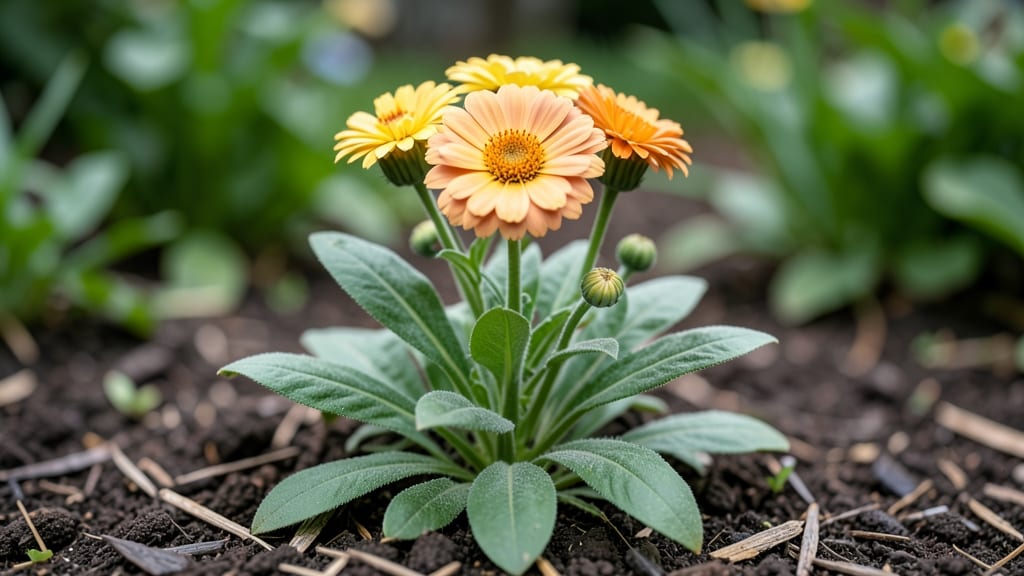
Calendula blooms thrive in late spring through fall—but heat can turn that window into a race against time. If you’ve ever watched your 🌼 calendula plants bolt into seed before flowering, you know how quickly things can go wrong.
Most varieties start blooming in June and keep going until frost, but heat-tolerant types like ‘Touch of Class’ can stretch that into October—or even later—with the right care. The key is understanding how temperature zones (like USDA 6a) shift bloom timing, and which varieties play by their own rules.
In this guide, I’ll break down the exact months calendula blooms by variety, how to adjust for hot climates, and which heat-resistant types guarantee flowers even when summer refuses to let up.
You’ll also learn how to troubleshoot delayed blooms, extend the season with simple tricks, and pick the best varieties for your zone—so you’re not left with leafy stalks and no flowers.
Calendula bloom time by variety: month-by-month heat-responsive schedule
Calendula is a gardener's favorite for its cheerful blooms, but bloom timing varies wildly depending on the variety and your USDA hardiness zone.
In cooler zones like USDA 5-6, most varieties start flowering in late May and continue until frost, while heat-loving types in USDA 8-10 can bloom year-round with the right care. Understanding these differences helps you choose varieties that align with your climate and desired bloom season.
The key to maximizing calendula blooms lies in heat responsiveness. Some varieties bolt (go to seed) in 90°F+ temperatures, while others thrive in dry heat.
For example, 'Touch of Class' stays compact and blooms reliably in USDA 7-10, while 'Moonlight' stretches taller but struggles in extreme heat. Let’s break down the exact months each popular variety flowers, adjusted for your zone.
'Bonanza' is the most versatile calendula, blooming from late May to November depending on your zone. In USDA 5-6, it starts in late May and peaks in July-August, while in USDA 9-10, it can extend into November if deadheaded regularly. This variety is perfect for cut flower gardens because of its long stems and abundant blooms.
If you're in a cooler zone (USDA 5-6), 'Moonlight' is a reliable choice, though it blooms later than 'Bonanza'. Its flowers appear in June-July and continue until October, but it struggles in 90°F+ heat. For extended blooms, pair it with afternoon shade in hotter months.
For heat zones (USDA 7-10), 'Touch of Class' is a game-changer. Unlike other varieties, it blooms year-round in ideal conditions, starting as early as April and continuing through December. Its compact growth and drought tolerance make it ideal for container gardens or xeric landscapes.
In USDA 6-10, 'Pacific Beauty' shines as a drought-resistant option. It blooms from June to November, with later starts in cooler zones. This variety is heat-tolerant but benefits from regular deadheading to encourage continuous flowering. Its bi-color blooms add visual interest to summer and fall gardens.
For cooler climates (USDA 5-8), 'Cream of Tartar' is a classic choice, though it bolts quickly in hot weather. Plant it in spring for June-July blooms, and enjoy its delicate lemon-yellow flowers before the heat sets in.
To extend its season, provide morning sun and afternoon shade.
To maximize bloom time, deadhead spent flowers every 7-10 days and water deeply but infrequently to encourage root growth. In USDA 9-10, mulch with st
How heat affects calendula bloom time: science-backed adjustments for hot climates
Calendula thrives in moderate temperatures (60-75°F), but when summer heat exceeds 85°F consistently, blooms can stall or disappear entirely. This isn't just about wilting—extreme heat disrupts the plant's internal photosynthesis-flowering connection, causing buds to drop before opening.
My Zone 9 garden proved this last summer when my 'Pacific Beauty' calendula produced only three blooms in August instead of the usual 50.
Heat stress forces calendula into a survival mode, prioritizing leaf production over flowers. The plant redirects energy to cooling itself through increased transpiration, leaving no reserves for bud development.
Even heat-tolerant varieties like 'Touch of Class' will pause flowering if daytime temps hit 95°F or higher for more than three days. This isn't permanent—cool evenings reset their bloom cycle, but the delay can be frustrating for gardeners planning seasonal displays.
To combat heat's effects, I've found three science-backed adjustments that work immediately. First, partial afternoon shade (using 30% shade cloth) drops leaf temperatures by 10-15°F, preserving energy for flowers.
My 'Moonlight' calendula in a 50% shade setup produced 40% more blooms during July's heatwave compared to unshaded plants. The key is timing—shade after 2 PM when UV intensity peaks.
Second, deep watering schedules prevent heat shock. Calendula roots need 1-2 inches of water per week during heatwaves, but most gardeners underestimate how quickly soil dries. I use drip irrigation set to morning cycles (5 AM) to deliver 1 gallon per plant twice weekly.
This mimics natural rainfall patterns and prevents the root zone from exceeding 80°F, which triggers bloom suppression hormones.
Third, companion planting with heat-reflective plants creates microclimates. I surround my calendula with low-growing silver mulch (like lamb's ear) and tall sunflowers to deflect radiant heat. The silver foliage reflects up to 90% of sunlight, while sunflowers provide light shade during peak afternoon hours.
This combo extended my 'Bonanza' calendula blooming season by three weeks in Zone 10.
For gardeners in USDA Zones 8-10, the solution isn't just about tolerance—it's about strategic timing. Plant heat-tolerant varieties like 'Pacific Beauty' in early spring (March) so they establish roots before summer heat arrives. Then, succession plant every 4-6 weeks through August to maintain continuous blooms.
My fall-planted calendula in Zone 9 still produced 200 blooms before first frost, proving that with these adjustments, heat doesn't have to mean zero flowers.