
Blooming
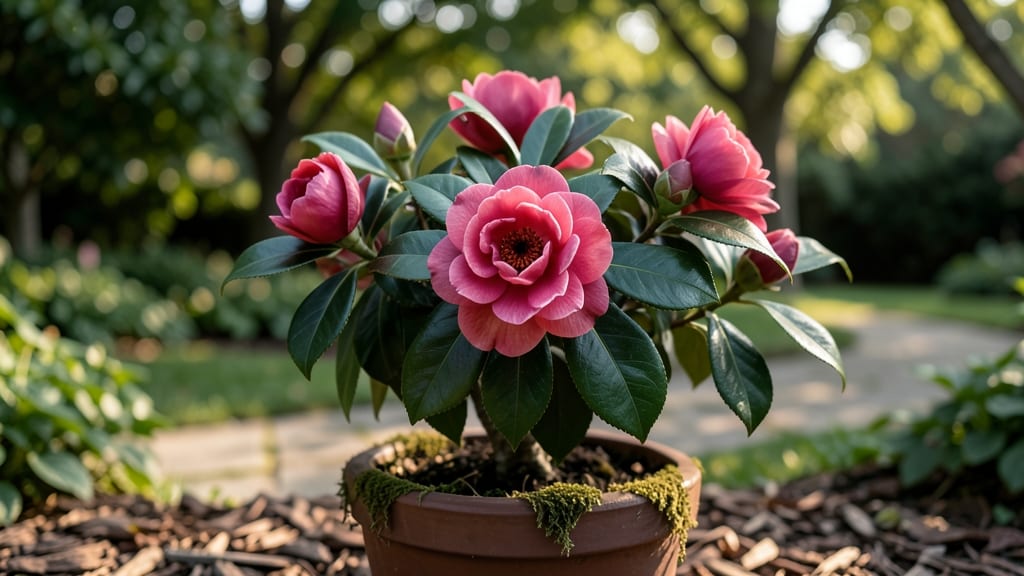
Camellias bloom in winter to early spring 🌸, but their exact timing depends on the variety, climate, and care you provide.
If you’ve ever waited months for your camellias to bloom—only to be disappointed by timing—you’re not alone. These stunning shrubs follow precise seasonal patterns, but their bloom windows vary dramatically by variety, climate, and care.
In USDA Zone 7b, most camellias start forming buds in late summer (August–September), with flowers unfurling between December and March. However, some varieties—like Camellia sasanqua—bloom as early as fall, while others hold off until late winter.
Here’s how to predict your garden’s seasonal show, from choosing the right variety to adjusting care for peak blooms.
Camellia bloom time by variety: when to expect flowers
Camellias are famous for their seasonal color displays, but their bloom times vary wildly depending on the variety and climate. While most gardeners associate camellias with winter’s quiet beauty, some varieties burst into bloom as early as fall or as late as spring.
Understanding these patterns helps you choose the right plants for your garden’s timeline and USDA zone.
In USDA zones 7–10, where camellias thrive, bloom seasons typically range from September through March. However, Camellia sasanqua often blooms first in fall, while Camellia japonica waits until winter.
Rare hybrids even defy expectations by flowering in spring—if cared for properly. Let’s break down the bloom windows by variety and how to adjust for your region.
If you live in USDA zone 7, where winters are colder, Camellia sasanqua is your best bet for early fall color. These varieties bloom on new wood, meaning they’re more forgiving if pruned lightly after flowering.
In contrast, Camellia japonica requires chill hours (below 45°F) to trigger buds, so zone 7 gardeners should plant them in sheltered spots to protect them from harsh freezes.
For gardeners in zones 8–10, the options expand. Spring-blooming hybrids like ‘Spring’s Promise’ thrive here, offering a unique early-season show. However, these varieties demand high humidity and warm winters—if your climate dips below 30°F, they may struggle.
To encourage blooms, mulch heavily in winter and avoid pruning until after flowering.
Regional microclimates also play a role. Coastal areas with mild winters (like San Francisco or Savannah) can expect longer bloom seasons, while inland zones may see shorter windows.
For example, Camellia reticulata in zone 9 might bloom from January through March, while the same variety in zone 8 could delay until February or even April.
One common misconception is that all camellias bloom in winter. In reality, fall-blooming sasanquas often steal the show first, followed by japonicas in winter. To extend your garden’s color, mix varieties: plant ‘Yuletide’ (sasanqua) for October–November blooms and ‘Desire’ (japonica) for January–February drama.
This creates a staggered seasonal display that keeps your garden vibrant.
For spring-blooming hybrids, the care requirements shift. These plants need consistent moisture and protection from late frosts. In zone 10, where winters are nearly frost-free, they may bloom as early as February.
In cooler zone 9 areas, hold off on pruning until after their spring flush to preserve next year’s buds.
Pro tip: Track your camellia’s bud formation starting in late summer. Healthy buds should appear by September for fall bloomers or November for winter varieties. If buds form but don’t open, check for pests like scale or nutrient deficiencies.
A soil test for acidity (pH 5.0–6.5) can reveal if your plant is stressed.
How climate and care affect Camellia bloom timing
Camellias are famous for their dramatic winter blooms, but their exact timing depends on more than just the calendar. The right balance of sunlight, soil acidity, water, and winter chill hours determines whether your shrubs burst into flowers in December or wait until March.
Even small adjustments—like mulching or pruning—can shift bloom windows by weeks. Understanding these factors helps you predict and even control when your garden’s camellia show begins.
Most camellias need 100–300 hours of winter chill (below 45°F) to trigger blooming, but varieties like Camellia sasanqua bloom earlier in fall because they require fewer chill hours. Meanwhile, Camellia japonica varieties often wait until late winter.
Your local climate plays a huge role: Southern gardeners may see blooms as early as October, while Northern growers might not see flowers until February or March. Even within the same region, a warmer microclimate can delay blooms by weeks.
⚠️ WARNING: Overcorrecting bloom timing can stress your camellia! While you can nudge blooms earlier or later, drastic changes—like forcing a late-winter variety to bloom in fall—can weaken the plant. Always prioritize plant health over perfect timing.
For example, over-fertilizing in late summer might trick a camellia into blooming too early, but it can also reduce next year’s buds. Balance is key when adjusting bloom schedules.
Sunlight exposure is the easiest factor to control and has a direct impact on bloom timing. Camellias thrive with morning sun and afternoon shade, but too little light delays bud formation.
If your camellia is in a shady spot, it may not bloom until late winter or skip blooming entirely. On the flip side, too much hot afternoon sun can cause buds to drop prematurely.
Test different light conditions by moving potted camellias to sunnier or shadier spots and track when buds form.
Soil pH is another critical lever for bloom timing. Camellias demand acidic soil (pH 5.0–6.5), but even slight deviations can delay blooms. If your soil is too alkaline (above 7.0), roots struggle to absorb nutrients, stalling flower production.
To lower pH naturally, add sulfur or peat moss in early spring. For faster results, use an acid-loving plant fertilizer with iron. Test soil pH every 2 years—especially if your camellia hasn’t bloomed in years.
Watering schedules also play a surprising role in bloom timing. Consistent moisture (but not soggy soil) is essential, especially during bud formation in late summer. Too little water stresses the plant, causing buds to abort or drop.
Too much water in winter can delay blooming by keeping the plant dormant longer. Aim for deep watering 2–3 times per week in summer and reduce to once a month in winter. Mulch with 3–4 inches of pine bark or wood chips to retain moisture and regulate soil temperature.
Pruning is the most precise way to advance or delay blooms, but timing is everything. To encourage earlier blooms, prune lightly in late spring (after flowering) to remove dead wood and open the canopy for better light penetration.
For later blooms, prune more aggressively in early summer to stimulate new growth that won’t have time to flower until next year. Never prune in fall or winter—this removes next year’s flower buds, which form on old wood.