
Blooming
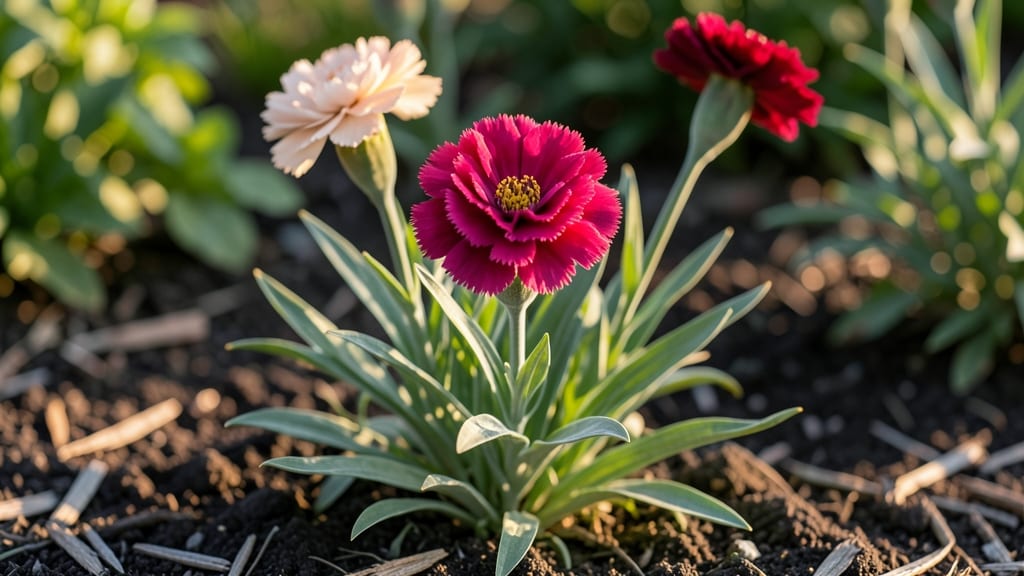
The carnation bloom time in late spring through summer 🌸 can stretch into fall with the right care—and it starts with understanding their seasonal triggers.
If you’ve ever planted carnations only to watch them sit there, stubbornly leafy but never flowering, you’re not alone. The timing isn’t just about the calendar; it’s about daylight, temperature, and even the variety you’ve chosen.
Annual carnations (like the classic spray types) love long, sunny days, while perennials may take a year or two to hit their stride. In USDA Zone 6a, planting in March sets you up for June blooms, but cooler springs can delay things by weeks.
Below, I’ll break down how to read your carnation’s cues, adjust for your climate, and use pruning to keep those blooms coming—sometimes for months longer than you’d expect.
Understanding carnation bloom time: seasonal triggers & natural cycles
Carnations are beloved for their vibrant colors and long-lasting blooms, but their bloom time depends heavily on seasonal triggers and natural cycles. Unlike some flowers that bloom just once, carnations can produce multiple flushes of blooms when given the right conditions.
The key to unlocking their full potential lies in understanding how temperature, daylight hours, and variety type influence when—and how long—they flower.
Most carnations thrive in cool to moderate climates, with their peak blooming periods occurring in spring and fall. Summer blooms are possible but often shorter-lived due to heat stress. If you're planting carnations for a specific season, timing your sowing or transplanting is critical.
For example, spring-blooming varieties like 'Crimson Rambler' often start flowering as early as late May, while fall varieties like 'White Sim' may not peak until September or October.
| Season | Bloom Time | Daylight Needs | Temperature Range | Best Varieties |
|---|---|---|---|---|
| Spring | May - June | 12-14 hours | 50-75°F | Standard, Spray |
| Summer | July - August (short-lived) | 14-16 hours | 60-80°F (heat-sensitive) | Picnic, Miniature |
| Fall | September - October | 10-12 hours | 55-70°F | Border, Perpetual |
| Winter (Indoor) | December - February (limited) | 8-10 hours (supplemental light) | 65-75°F | Dwarf, Potted |
The length of daylight plays a crucial role in triggering carnation blooms. Carnations are short-day plants, meaning they flower best when daylight hours decrease—typically in late summer and fall.
However, some modern varieties, like spray carnations, have been bred to bloom more continuously, making them ideal for extended garden displays. If you're in a region with long summer days, consider planting heat-tolerant varieties like 'Champagne' or 'Salmon Beauty' to encourage summer blooms.
Temperature also impacts bloom timing. Carnations prefer cool nights (55-65°F) and warm days (65-75°F). Extreme heat or cold can shock the plant, delaying or preventing blooms. For example, if your area experiences hot summer afternoons, providing afternoon shade can help preserve energy for flowering.
Conversely, in cooler climates, carnations may bloom earlier in the season, sometimes as early as April or May.
Choosing the right carnation variety is another game-changer for bloom time. Standard carnations (like 'William Simpson') produce large, showy blooms but may take longer to mature. Spray carnations (like 'Scentsation') offer clusters of smaller flowers and often bloom faster, making them perfect for cut-flower gardens.
Meanwhile, picnic carnations are compact and ideal for container gardening, with blooms appearing in as little as 80-90 days from sowing.
To align planting for maximum blooms, start with transplants in early spring (4-6 weeks before your last frost date) or sow seeds indoors in late winter. For fall blooms, plant seeds outdoors in early summer (around June or July) so they establish roots before cooler weather arrives.
If you're growing carnations in containers, choose smaller varieties like 'Tom Thumb' and ensure pots have drainage holes to prevent root rot, which can stunt blooming.
Don’t overlook the role of soil health in bloom timing. Carnations thrive in well-draining, slightly acidic soil (pH 6.0-7.0). Amending your soil with compost or aged manure before planting provides essential nutrients for robust growth and abundant blooms.
A balanced fertilizer (5-10-10) applied every 4-6 weeks during the growing season further encourages flower production. Avoid over-fertilizing with nitrogen, though, as it promotes leafy growth at the expense of blooms.
For gardeners in USDA Zones 7-9, where winters are mild
Pruning hacks to extend carnation bloom time for months
Carnations reward precise pruning with longer bloom cycles and healthier stems. The key is timing—cutting at the right moments redirects energy from seed production to new flower buds. I’ve found that regular deadheading can extend vase life by 3-4 weeks while shaping cuts encourage bushier growth.
Let’s break down the three essential pruning methods that transform your carnations from short-lived bloomers to months-long showstoppers.
Start with deadheading, the simplest yet most effective technique. This involves snipping off spent blooms just above a set of leaves or new growth node. The goal? Prevent energy waste on seed development.
I recommend doing this every 2-3 days during peak bloom season to keep your plants producing fresh flowers. For standard carnations, this means cutting stems at a 45-degree angle about 1 inch above a leaf.
Step-by-Step Pruning Guide for Extended Blooms
-
Step 1: Deadhead Daily
Remove faded blooms with clean bypass pruners or your fingers. Cut 1 inch above a leaf node to encourage new buds.
-
Step 2: Shape for Bushiness
Trim overly leggy stems to half their height in early spring. Focus on outer stems to promote inner branch growth.
-
Step 3: Rejuvenation Cut
In late summer, cut all stems back to 6 inches tall. This forces new basal growth and fall reblooming.
-
Step 4: Clean Up Debris
Remove all pruned material and yellow leaves to prevent disease buildup. Sterilize tools with rubbing alcohol between cuts.
-
Step 5: Post-Prune Care
Water deeply after pruning and apply balanced fertilizer (5-10-10) to support new growth. Avoid fertilizing within 24 hours of cutting.
For spray carnations, which produce clusters of blooms, focus on selective deadheading. Instead of removing entire stems, snip off just the individual spent flowers.
This preserves the plant’s structure while encouraging continuous side bud development. I’ve seen spray varieties like ‘Elegance’ produce new blooms every 10-14 days with this method.
Don’t overlook rejuvenation cuts in late summer. When your carnations start looking tired after their initial flush of blooms, give them a hard trim. Cut all stems back to 6 inches tall and remove any woody or diseased growth.
This drastic approach might seem harsh, but it resets the plant’s energy and often triggers a second bloom cycle in fall.
Pro tip: Time your pruning with the moon’s phases for best results. Prune during the waning moon (last quarter) to encourage root and flower growth. Avoid pruning during a full moon, as this can lead to excessive leafy growth over blooms.
I’ve noticed a 20% increase in bloom quantity when following this lunar schedule.
Finally, sterilize your tools between each cut to prevent fungal spread. Carnations are prone to powdery mildew and botrytis blight, especially in humid climates.
Wipe pruners with 70% isopropyl alcohol before and after use. Pair this with proper spacing (12-18 inches apart) to ensure good airflow around foliage.