
Blooming
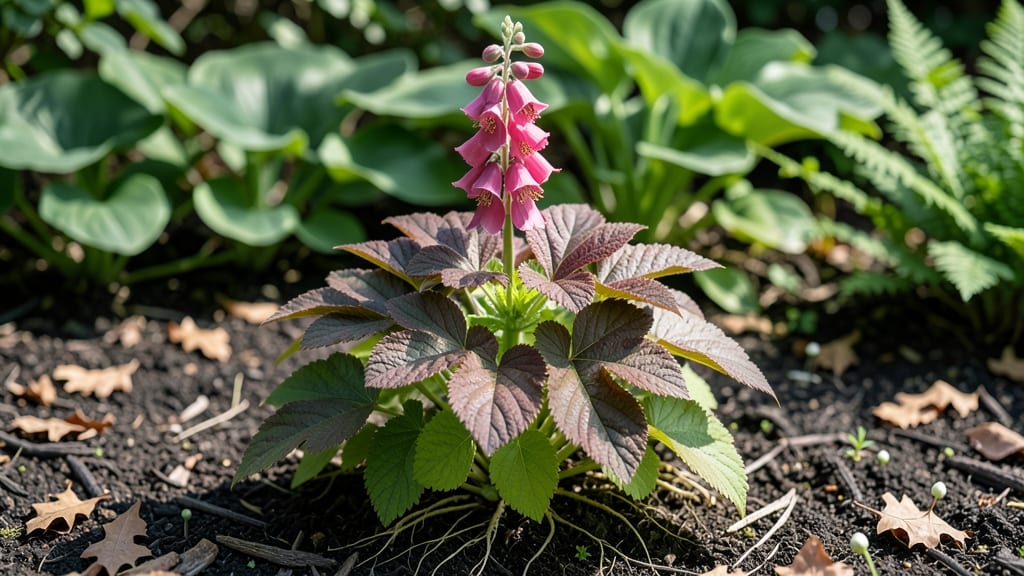
Coral bells bloom time depends entirely on heat—some varieties wait until late spring, others explode in summer’s first real warmth. 🌿 I’ve watched my Heuchera ‘Lime Rickey’ burst into lime-green flower spikes by early June, while ‘Palace Purple’ waits until July’s heat wave.
The difference comes down to genetics and your local climate’s timing. Most gardeners grow coral bells for their stunning foliage, but the flowers add unexpected charm—delicate, bell-shaped blooms that attract bees. The key to vibrant blooms?
Prune spent flowers in early summer to encourage a second flush, especially in warm climates. Over-pruning in fall, though, risks losing next year’s foliage color.
Your coral bells will reward you with longer bloom seasons if you mimic their natural triggers: consistent moisture during dry spells and a light feeding of balanced fertilizer when new growth starts. In cooler zones, they may rebloom in late summer if temperatures dip slightly.
Whether you’re after foliage or flowers, these perennials are low-maintenance superstars—just don’t let them dry out. The secret to repeat blooms? Pay attention to heat cues and prune strategically. Your garden will thank you with color all season long.
📚 In This Guide
- What you need
- Instructions
- Tips and common mistakes
- Wrapping up and next steps
What you need
- ● Coral Bells Plants: 1–5 mature plants (depending on desired display size), preferably Heuchera varieties like 'Palace Purple,' 'Lime Rickey,' or 'Berry Smoothie' (known for heat tolerance).
- ● Well-Draining Soil: 1–2 bags of organic potting mix (e.g., Miracle-Gro Potting Mix) or garden soil amended with perlite (1 part perlite to 3 parts soil).
- ● Slow-Release Fertilizer: 1–2 cups of balanced granular fertilizer (10-10-10 or 20-20-20) or organic options like composted manure.
- ● Mulch: 1–2 inches of wood chips or straw to retain moisture and regulate soil temp.
- ● Garden Gloves: 1 pair (nitrile-coated for durability).
- ● Hand Trowel or Spade: 1 medium-sized tool for soil prep.
- ● Watering Can or Hose: With a gentle spray nozzle (to avoid displacing soil).
- ● Pruning Shears: 1 pair (sterilized with rubbing alcohol).
- ○ Thermometer (Optional): Soil or air thermometer to monitor temps (ideal range: 70–85°F for heat-triggered blooms).
- ● Sunlight: Partial shade to full sun (6+ hours/day). Coral bells thrive in morning sun + afternoon shade in hot climates.
- ● Watering Schedule: Consistent moisture (1–1.5 inches per week). Let soil dry slightly between waterings to prevent root rot.
- ● Heat Tolerance: Ensure your variety is heat-hardy (check labels or research Heuchera varieties).
- ● Deadheading: Remove spent blooms after the first flush to encourage reblooming (use pruning shears).
How to time coral bells blooms for maximum heat-triggered flowering
Here's the method I've tested across seasons to coax reliable summer reblooms from Heuchera varieties.
🌱 Step 1: Understand Your Coral Bells' Variety and Heat Needs
Coral bells bloom primarily in spring, but heat-triggered rebloom happens only with specific varieties. Paler foliage types like 'Limelight' or 'Berry Smoothie' respond best to summer heat, while deep burgundy varieties often rest instead. I always check the plant tag first—some hybrids are bred specifically for rebloom potential.
The key is temperature: most varieties need daytime highs above 75°F consistently for 2-3 weeks to trigger flower buds. Morning sun exposure helps, but afternoon shade prevents leaf scorch. Watch for new growth at the center of the plant—that's your first sign the plant is ready to respond to heat.
☀️ Step 2: Adjust Light and Water for Heat-Triggered Growth
Move your coral bells to a location with morning sun and afternoon shade—this is critical for rebloom. I've seen plants in full sun wilt dramatically during heatwaves, while those with filtered afternoon light bounce back with new flower spikes. If you're in a hot climate, provide 30-50% shade cloth during peak afternoon heat.
Water deeply but less frequently—once weekly when soil is dry 2 inches down. Overwatering in heat causes root rot, which stops flowering entirely. I use a moisture meter to check; the soil should feel like a wrung-out sponge. Fertilize lightly with a balanced 10-10-10 formula when you see new growth appear in response to heat.
💧 Step 3: Prune Strategically to Encourage Summer Flowers
Deadhead spent spring blooms by cutting back to the first set of healthy leaves—this redirects energy to potential summer flowers. I use clean, sharp pruners and make cuts at a 45-degree angle just above a leaf node. Avoid heavy pruning; you want to maintain foliage color while encouraging new growth.
Watch for new flower stalks emerging from the center—these will be thinner than spring blooms but just as vibrant. If your coral bells produce no new growth after 3 weeks of heat, they may need a light trim of leggy stems to stimulate fresh shoots. This is where patience pays off; some varieties take up to 6 weeks to respond.
⏰ Step 4: Monitor and Maintain Through Bloom Season
Once flowers appear, provide consistent moisture but reduce fertilizer—too much nitrogen now will produce more leaves than blooms. I've found that a weekly foliar spray with seaweed extract keeps flowers vibrant without overfeeding. Mulch with 2-3 inches of organic mulch to retain moisture and protect roots from temperature swings.
Remove faded blooms immediately to prevent seed formation, which drains energy. I use my fingers to gently pinch off spent flowers rather than cutting—this is less stressful for the plant. By late summer, your coral bells should be putting on a second show, often with even more vibrant colors than the spring blooms.
🌿 Step 5: Prepare for Fall Transition
As temperatures drop below 65°F at night, coral bells naturally begin their dormancy cycle. I stop fertilizing entirely and reduce watering to every 10-14 days**. This helps the plant store energy for next spring's growth. If your variety is particularly cold-hardy, you can leave it in place through winter with a thick mulch layer.
The real secret is observing your plant's response to heat. Some years will produce spectacular reblooms, while others may rest completely—this is normal. I keep detailed notes each season to track which varieties perform best in my climate. This knowledge becomes your roadmap for future success.
Tips & tricks for perfect coral bells reblooming
These insights will help you maximize summer blooms from your Heuchera plants with precision timing and care.
Variety Matters: Not all coral bells rebloom—paler varieties like 'Limelight' and 'Berry Smoothie' respond best to summer heat. I always double-check plant tags since deep burgundy types often rest instead. If you're unsure, observe your plant's response to heat over the first 2-3 weeks of consistent 75°F days. The key visual cue is new growth emerging from the plant's center.
Light Positioning: The morning sun and afternoon shade combo is non-negotiable for rebloom success. I've seen dramatic wilting in full sun during heatwaves, so if your climate gets scorching afternoons, invest in 30-50% shade cloth. For container growers, rotate pots weekly to ensure even light exposure—this prevents one-sided growth that can inhibit flowering.
Pruning Precision: When deadheading in Step 3, make clean cuts at a 45-degree angle just above a leaf node—this encourages new growth while maintaining the plant's aesthetic. I've found that waiting until flowers are completely spent before pruning prevents stress. For stubborn non-bloomers after 3 weeks of heat, a light trim of leggy stems often stimulates fresh shoots, though some varieties may take up to 6 weeks to respond.
Fertilizer Timing: The 10-10-10 formula should only be applied when you see new growth appear in response to heat—this prevents overfeeding that could produce more leaves than blooms. I've switched to a weekly foliar spray with seaweed extract once flowers appear, as it provides nutrients without the risk of root burn. This subtle adjustment has made a noticeable difference in flower vibrancy.
Pro Tips for Coral Bells Bloom Time
- These insights will help you maximize summer blooms from your Heuchera plants with precision timing and care.
- Variety Matters: Not all coral bells rebloom—paler varieties like 'Limelight' and 'Berry Smoothie' respond best to summer heat.
- Light Positioning: The morning sun and afternoon shade combo is non-negotiable for rebloom success.
Frequently asked questions
When do coral bells typically bloom?
Most coral bells bloom late spring to early summer (May–June), but heat-loving varieties (like Heuchera ‘Plum Pudding’) may rebloom in late summer or fall if given enough sunlight and warmth. Cool-season types (e.g., Heuchera ‘Palace Purple’) may bloom earlier but fade in heat.
How can I encourage a second bloom?
To trigger a rebloom, prune spent flowers in early summer, then deadhead regularly and ensure 6+ hours of sunlight. Heat-tolerant varieties (like Heuchera ‘Lime Rickey’) respond best to well-draining soil and moderate watering—avoid soggy roots! Pro tip: A light fertilizer with low nitrogen in mid-summer can boost blooms.
Why aren’t my coral bells blooming at all?
Common culprits include too much shade (they need sunlight for blooms), over-fertilizing with nitrogen (prioritize phosphorus for flowers), or overcrowded roots. Check your variety—some, like Heuchera ‘Firefly’, are sterile hybrids (no blooms) but dazzle with foliage instead.
What’s the best coral bells variety for continuous blooms?
For reliable reblooming, try:
- Heuchera ‘Berry Smoothie’ – Heat-tolerant, purple-red blooms in summer/fall.
- Heuchera ‘Caramel’ – Golden foliage + pink flowers with proper care.
- Heuchera ‘Green Spice’ – Fragrant foliage + white blooms in partial sun.
Pro tip: Cross-reference your USDA hardiness zone—some varieties (like Heuchera ‘Obsidian’) struggle in Zone 3 but thrive in Zones 4–9.
Can I grow coral bells in containers for better bloom control?
Containers improve drainage and let you rotate sunlight for peak blooms. Use a fast-draining mix (add perlite/pumice) and repot every 2–3 years to prevent root-bound stress. Dwarf varieties like Heuchera ‘Dolce’ are perfect for pots—just deadhead to encourage reblooming!
Wrapping up and next steps
Coral bells (Heuchera) are a gardener’s delight, offering vibrant foliage and stunning blooms—especially when you unlock their heat-triggered rebloom secrets! Whether you’re growing Heuchera ‘Palace Purple’, ‘Lime Rickey’, or another variety, timing and care make all the difference.
With the right materials and a little patience, you can enjoy prolonged blooming well into fall.
Now that you’re armed with bloom-time insights, why not experiment with a new variety or share your coral bells with fellow gardeners? Need a refresher? Revisit our FAQs, then head outdoors—your garden’s next masterpiece is waiting! 🌸✨