
Blooming
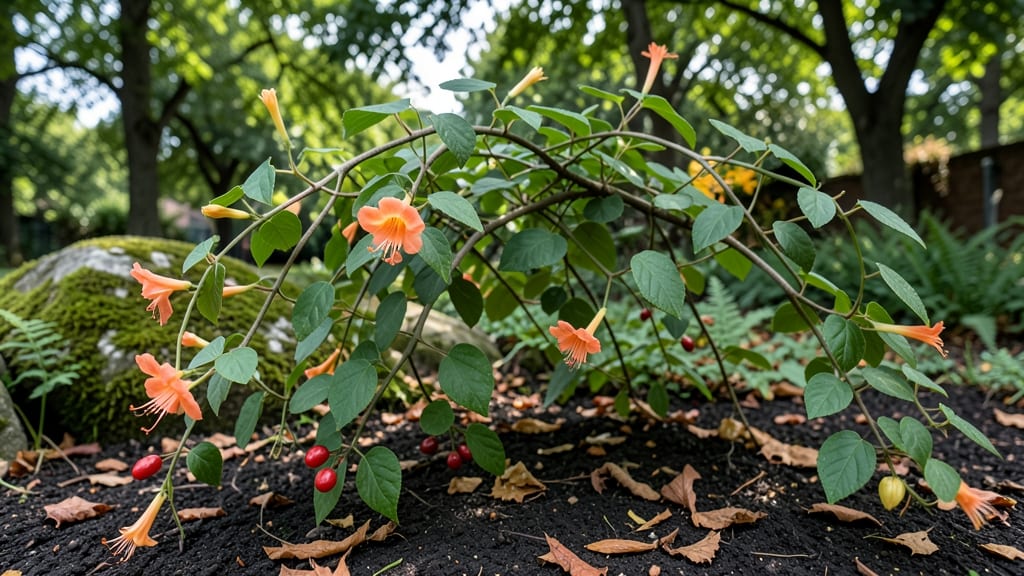
The coral honeysuckle bloom time varies dramatically depending on your zone and the variety you’ve planted, but most burst into vibrant 🌸 clusters between late spring and early summer.
Picture this: you’ve been waiting all winter for those fiery red trumpets to appear, only to find your ‘Dropmore Scarlet’ blooming two weeks earlier than your neighbor’s ‘Scarlet Trumpet.’ That’s because sunlight exposure, pruning habits, and even soil moisture can shift bloom windows by 3-4 weeks.
In USDA Zone 6a, where I garden, the first blooms typically arrive in late May, while southern gardens see them as early as April. But here’s the kicker: with the right care, you can coax blooms to start 2 weeks earlier—or stretch them into September.
Below, I break down the exact bloom months for 8 top varieties, how to read your plant’s signals, and the one pruning trick that doubles your flowering season. Ready to turn your vine into a nonstop hummingbird magnet?
Coral honeysuckle bloom time by popular varieties (month-by-month guide)
If you're dreaming of vibrant coral honeysuckle blooms cascading down your trellis, timing is everything. Different varieties burst into color at different times, giving you options for year-round interest.
Whether you want early spring color or late-summer blooms, choosing the right variety ensures your garden stays lively from May through September.
Coral honeysuckle (Lonicera sempervirens) thrives in USDA Zones 4-9, but bloom times shift based on your climate. In warmer southern zones, expect blooms to start as early as April, while northern gardeners may see their first flowers in late May or June.
Understanding these patterns helps you plan for maximum impact—whether you're training vines on an arbor or letting them spill over fences.
🌸
| Variety | Bloom Period | Color | Key Features | Best For |
|---|---|---|---|---|
| 'Dropmore Scarlet' | Late May - July | Deep coral-red | Classic variety, fragrant blooms | Arbors, pergolas |
| 'Scarlet Trumpet' | June - August | Bright scarlet | Longest bloom season, hummingbird magnet | Fences, trellises |
| 'Lemon Beauty' | May - June | Pale yellow | Early bloomer, unique color | Containers, small spaces |
| 'John Clayton' | June - September | Crimson | Heat-tolerant, late-season blooms | Southern climates |
| 'Magnifica' | Late May - July | Deep red | Large flowers, drought-resistant | Xeric gardens |
| 'Graham Thomas' | June - August | Scarlet with yellow throats | Fragrant, compact growth | Balconies, small gardens |
| 'Honeyberry' | May - June | Pinkish-red | Edible berries, early blooms | Wildlife gardens |
| 'Alice' | June - August | Scarlet with yellow centers | Fast-growing, vigorous climber | Quick coverage |
For early bloomers like 'Lemon Beauty' and 'Honeyberry', you'll see flowers as soon as May in warmer zones. These varieties are perfect if you want spring color while other plants are still waking up.
Meanwhile, late-season varieties like 'John Clayton' and 'Scarlet Trumpet' keep your garden vibrant well into September, long after many annuals have faded.
Identifying blooms is easy once you know what to look for. Healthy coral honeysuckle flowers appear in sequential clusters along the vine, with each trumpet-shaped bloom opening from the bottom upward.
The deepest red varieties like 'Dropmore Scarlet' have the most intense color, while 'Lemon Beauty' offers a cheerful contrast with its pale yellow blooms.
🌿
Pro tip: If you're in Zone 5 or colder, plant late-blooming varieties like 'Scarlet Trumpet' to extend your season. In Zone 8 and warmer, early bloomers like 'Honeyberry' will give you months of continuous color.
The key is matching your climate with the right variety—so your honeysuckle doesn't take a summer nap between blooms.
Don't forget that pruning after blooms encourages new growth for next season. For varieties like 'Dropmore Scarlet', prune in late winter to shape the vine and remove dead wood. For late bloomers like 'John Clayton', wait until spring after the flowers fade to avoid cutting off potential blooms.
🌸
To maximize your coral honeysuckle's performance, plant it where it gets at least 6 hours of sunlight daily. While it tolerates partial shade, full sun leads to more abundant blooms and healthier vines. Pair it with companion plants like clematis or roses for a stunning vertical display
How USDA zones affect coral honeysuckle bloom time (and when to plant for best results)
Your USDA zone is the single biggest factor in determining when your coral honeysuckle will burst into bloom. In warmer zones (8-9), you might see flowers as early as late winter (February), while gardeners in colder zones (4-5) typically wait until late spring (May-June).
These timing differences aren't just about aesthetics—they directly impact how long your vine will flower and whether you'll get a second bloom cycle.
The climate extremes of your zone also affect bloom duration. In Zone 9, where winters are mild, coral honeysuckle often produces two bloom cycles—spring and fall—while Zone 5 gardeners usually get just one 6-8 week display.
Understanding these patterns helps you plant strategically and prune effectively to maximize flowering.
Zone-Specific Coral Honeysuckle Bloom Guide
- Zones 4-5: Blooms May-July (6-8 weeks). Plant after last frost (May) for established vines to flower the same year. Prune in early spring to encourage new growth.
- Zones 6-7: Blooms April-June with possible fall rebloom (September-October). Plant spring or fall—fall planting gives roots time to establish before winter. Deadhead spent blooms to prolong summer flowers.
- Zones 8-9: Blooms February-May and September-November. Plant anytime except winter. Light pruning after fall blooms removes old wood and stimulates new growth for next year's early flowers.
- All Zones: Full sun (6+ hours) extends bloom duration by 2-3 weeks. Morning watering prevents fungal issues that shorten flowering. Mulch in winter protects roots in colder zones (4-6).
- Pro Tip: In Zone 7 and warmer, prune after fall blooms to remove 1/3 of oldest stems—this rejuvenates the plant and ensures longer spring blooms the following year.
For year-round color, I recommend planting multiple varieties with staggered bloom times. For example, pair the early-blooming 'Dropmore Scarlet' (Zone 4+) with the late-season 'Lemon Beauty' (Zone 6+). The lemon-scented flowers of the latter provide a fall interest that extends your garden's seasonal display.
If you're in a transition zone (like Zone 6b), pay attention to microclimates in your yard. A south-facing wall can create a Zone 7-like environment, triggering earlier blooms. I've seen coral honeysuckle flower 3 weeks earlier on sunny walls compared to shaded areas—even in the same yard!
Remember that pruning timing is zone-dependent. In northern zones (4-6), prune immediately after flowering to remove dead wood and shape the vine. In southern zones (8-9), wait until late winter to avoid cutting off potential bloom buds for the spring flush.
Track your local bloom times for 3 years to establish patterns—this helps you predict when to expect flowers and when to prune or fertilize for next year's performance.
With the right zone-specific care, your coral honeysuckle can provide continuous color from spring to fall in warmer climates or a stunning summer show in cooler regions. 🌸