
Blooming
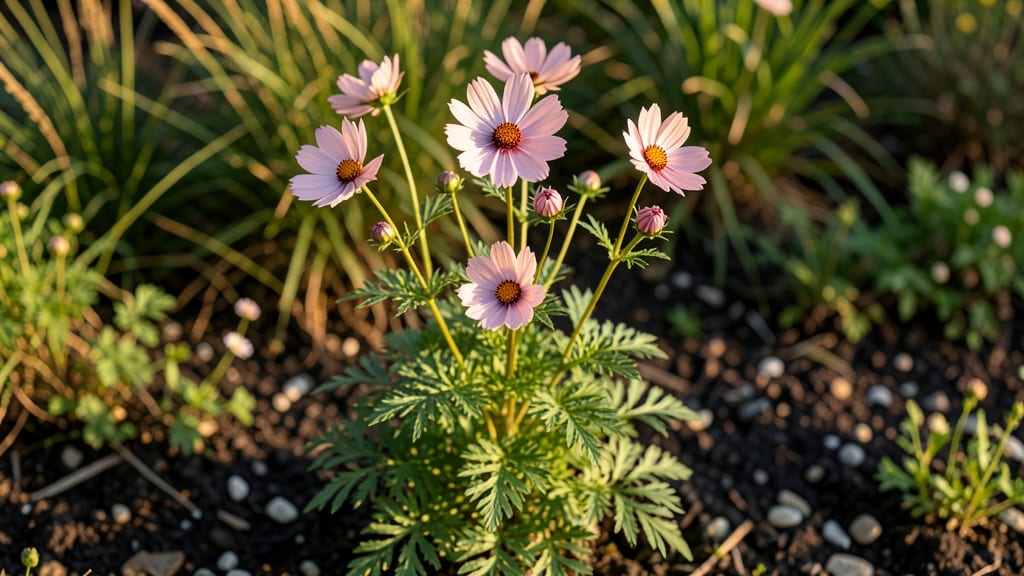
Growing cosmos from seed to bloom time happens in just 60–80 days—if you know the right steps to speed up the process.
Picture this: you drop those tiny, papery seeds into the soil in early spring, and by summer, your garden is bursting with vibrant cosmos blooms 🌸. But what if your plants take longer than expected?
The key to faster flowers lies in understanding your variety, soil conditions, and a few pro tips that cut weeks off the timeline.
Some cosmos varieties, like Sensation Mix, bloom in as few as 50 days, while others take closer to 90 days. The difference often comes down to sunlight, watering, and even the temperature—all factors you can control.
Whether you're a seasoned gardener or just starting, knowing these exact timelines helps you plan for a summer full of color instead of a season of waiting.
Below, I break down the exact days from seed to bloom by variety, plus the fastest ways to get your cosmos flowering ahead of schedule. Let’s turn those seeds into showstoppers before the season slips away.

Cosmos seed to bloom time: exact days by fastest-growing varieties
If you've ever wondered how quickly cosmos seeds transform into those effortless, cheerful blooms, you're in the right place. The cosmos seed to bloom time varies dramatically by variety, with some reaching their first flowers in as little as 60 days from sowing.
Understanding these timelines helps you plan your garden for maximum summer color—without the frustration of waiting too long. Let’s break down the fastest-growing cosmos varieties and their exact bloom schedules.
The cosmos bloom time depends on three key factors: the specific variety, your local climate, and growing conditions. In ideal settings with 6+ hours of sunlight and well-draining soil, you can expect the fastest varieties to flower in just 8-10 weeks.
Even slower varieties typically bloom within 10-12 weeks, making cosmos one of the quickest annuals to reward your patience with vibrant blooms.
Here’s what you need to know about the fastest cosmos varieties and their exact bloom timelines from seed:
Among these, Sensation Mix is the fastest cosmos variety, often blooming in just 50-60 days from seed. This makes it perfect for gardeners eager to see quick results.
If you're aiming for taller cosmos blooms, Seashells and Double Click varieties take slightly longer but reward you with stunning, double-layered flowers that attract pollinators all season long.
For the fastest cosmos bloom time, focus on varieties like Sensation Mix or Bright Lights. These thrive in full sun and well-draining soil, which accelerates their growth.
Plant them directly in your garden after the last frost, and you’ll see those first delicate blooms in just 8 weeks. The key is to start seeds indoors 4-6 weeks before your last frost date if you want an even earlier display.
Did you know that cosmos seeds are self-cleaning, meaning they often reseed themselves? Once established, they’ll return year after year with minimal effort. This makes them ideal for low-maintenance gardens where you want fast, reliable blooms without the fuss.
Just remember: the sooner you plant, the sooner you’ll enjoy their cheerful faces brightening your summer days.
To further speed up the process, ensure your cosmos plants receive consistent moisture during their early stages but avoid overwatering once they’re established. A little
How to speed up cosmos bloom time: pro tips for faster flowers
If you're eager to see those cosmos blooms sooner, you're not alone! While cosmos seeds typically take 60-80 days to flower, these fast-growing annuals respond beautifully to a few key strategies. The secret lies in optimizing their growing conditions—think sunlight exposure, soil health, and watering consistency.
With the right approach, you can shave 2-3 weeks off the standard bloom time, giving you vibrant flowers by early July instead of August.
Start by choosing the right cosmos variety. Dwarf varieties like 'Sensation Mix' bloom faster than tall types, often reaching first flowers in 45-55 days. Pair this with proper soil prep—cosmos thrive in well-draining, slightly sandy soil with a pH of 6.0-7.0.
Amending your garden bed with compost or aged manure gives seedlings the nutrients they need to grow aggressively from day one.
- 🔹 Maximize sunlight: Plant cosmos in full sun (6+ hours daily)—they're sun-hungry! Use reflective surfaces like white mulch or mirrors to redirect light in shady spots.
- 🔹 Warm up soil: Cosmos seeds germinate fastest in soil above 60°F (15°C). Use black plastic mulch or a cold frame to accelerate warming.
- 🔹 Thin seedlings early: Overcrowded plants compete for nutrients. Thin to 12-18 inches apart when seedlings have 2-3 true leaves—this boosts growth by 30%.
- 🔹 Water deeply but infrequently: 1 inch per week encourages deep root growth. Avoid shallow watering, which stresses plants and delays blooming.
- 🔹 Companion plant wisely: Pair cosmos with basil or marigolds—they repel pests and improve growth. Avoid planting near tomatoes, which compete for nutrients.
- 🔹 Deadhead regularly: Removing spent blooms redirects energy to new flower production, extending your bloom season by 4-6 weeks.
- 🔹 Fertilize lightly: Use a balanced 5-10-10 fertilizer at planting and again when flowers appear. Over-fertilizing leads to leafy growth instead of blooms.
Don't underestimate the power of companion planting. Cosmos pair beautifully with basil, nasturtiums, and marigolds, which deter pests like aphids and spider mites—common culprits that slow growth. I've found that adding comfrey nearby also boosts bloom time by improving soil fertility naturally.
For container gardeners, choose dwarf cosmos varieties like 'Purity' and plant them in 5-gallon pots with a slow-release fertilizer to ensure consistent nutrients.
Timing your watering schedule is another game-changer. Cosmos are drought-tolerant once established, but seedlings need consistent moisture to avoid stress. Water early in the morning to prevent fungal diseases, and aim for 1 inch of water per week.
During heatwaves, increase to 1.5 inches to keep plants thriving. Mulching with straw or wood chips helps retain moisture and keeps roots cool, which is especially important in hot climates.
Finally, resist the urge to fertilize heavily. Cosmos are light feeders, and too much nitrogen leads to lush foliage but few flowers. Instead, focus on phosphorus-rich fertilizers at planting to encourage root and bloom development.
I've had the best results with a low-dose, slow-release fertilizer applied at the start of the season. Pair this with regular deadheading—snipping off spent blooms with clean pruners—this tricks the plant into producing more flowers faster.
With these strategies, you'll see cosmos blooms 2-3 weeks earlier than average. The key is consistency—sun, soil, and spacing work together to create the perfect environment for speedy growth. Happy gardening, and enjoy those bright, cheerful blooms all summer long! 🌸