
Blooming
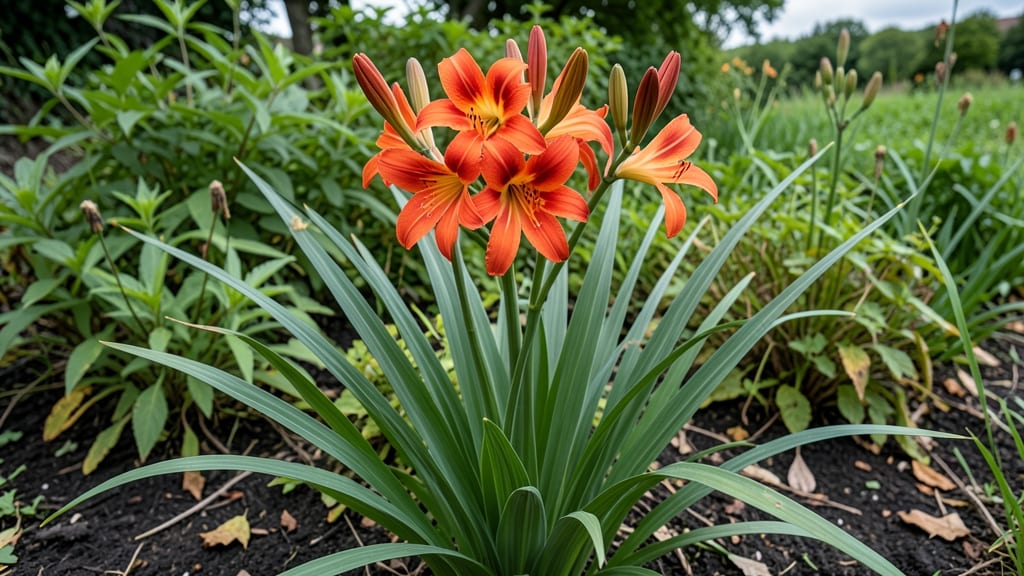
The day lilies bloom time in mid-to-late summer transforms your garden into a vibrant canvas of color 🌸.
If you’ve ever wondered why your day lilies bloom at different times each year—or how to predict their stunning summer displays—understanding their heat-triggered bloom cycles is key. These hardy perennials don’t follow a strict calendar; instead, they burst into color when temperatures and daylight hit the perfect balance.
In USDA Zone 6a, where many gardeners live, day lilies typically bloom from July through August, but the exact timing depends on your variety and local climate. Some early bloomers, like 'Stella de Oro,' may start as early as June, while others wait until September.
Below, I’ll break down how to extend their bloom time, which varieties flower first, and why your day lilies might be playing hide-and-seek with their blooms this season.
When day lilies bloom: heat-triggered months by variety
Day lilies are famous for their vibrant summer displays, but their bloom times vary dramatically by variety and temperature. Unlike annuals that follow strict planting dates, day lilies respond to heat thresholds—typically between 70°F and 85°F—to trigger their flowering.
This means your 'Stella de Oro' might bloom weeks earlier than your 'Happy Returns', even in the same garden.
Understanding these patterns helps you plan for continuous color and avoid disappointment when your favorite varieties don’t perform as expected. For example, early bloomers like 'Pardon Me' often start in June, while late-season varieties like 'Hadspen Pink' may not peak until August.
Let’s break down the bloom windows by variety and how your local climate factors in.
🌡️ Temperature is the #1 trigger—day lilies need consistent warmth to produce buds. In cooler zones (like USDA Zone 5), blooms may arrive 2–4 weeks later than in Zone 8. Meanwhile, humidity and rainfall can also delay flowering if the soil stays too wet during bud formation.
| Variety | Typical Bloom Window (Zones 6–9) | Heat Threshold (°F) | Regional Adjustments |
|---|---|---|---|
| 'Stella de Oro' | Mid-June to early August | 70–78°F | Early bloomer; thrives in heat |
| 'Happy Returns' | Late June to September | 72–82°F | Reblooms if deadheaded; loves humidity |
| 'Pardon Me' | Early June to July | 68–75°F | Cold-tolerant; blooms earlier in North |
| 'Hadspen Pink' | Late July to September | 75–85°F | Late-season; needs consistent heat |
| 'George Lindeman' | Mid-July to August | 70–80°F | Drought-tolerant; blooms reliably in dry heat |
If you’re in USDA Zone 4 or colder, expect blooms to shift 4–6 weeks later due to slower soil warming. For example, 'Stella de Oro' might not peak until early August instead of June.
In Zone 10+, some varieties (like 'Happy Returns') may even bloom in May or October if temperatures stay mild.
To predict your day lilies’ bloom time, track your last spring frost date and count 60–90 days until the first buds appear. For instance, if frost ends on April 15, early varieties like 'Pardon Me' should bloom by early June.
Late bloomers like 'Hadspen Pink' may need until mid-July to reach their heat threshold.
Pro tip: Plant multiple varieties with staggered bloom times to create a continuous color show from June through September. Pair early bloomers like 'Pardon Me' with mid-season 'Stella de Oro' and late-season 'Hadspen Pink' for a garden that never looks bare.
Just ensure each gets 6+ hours of sun daily—shady spots delay flowering.
Watch for bud drop if temperatures spike above 90°F during bud formation. This is common in Zone 9–10 during summer heatwaves. To prevent it, provide afternoon shade with lightweight shade cloth or mulch heavily to keep roots cool.
A 2–3 inch layer of mulch also helps retain moisture, which is critical for bud development.
Finally, don’t assume all day lilies bloom once and quit! Varieties like 'Happy Returns' and 'Café au Lait' are known for reblooming if you deadhead spent blooms promptly. Remove faded flowers weekly to redirect energy into new buds.
With the right variety mix and care, your day lilies can keep you in blooms from early summer to frost.
🌸
How USDA hardiness zones affect day lily bloom time
Day lilies are famous for their heat-triggered blooms, but their bloom timing shifts dramatically depending on your USDA hardiness zone. In warmer zones (8–10), you might see blooms as early as late spring, while gardeners in colder zones (3–5) often wait until mid-to-late summer.
This delay happens because day lilies need consistent 60–85°F soil temperatures to trigger flowering.
The key factor is late frost risks in colder zones. A single frost after buds form can delay blooms by weeks or even kill emerging flowers. Meanwhile, Zone 9–10 gardeners enjoy longer bloom seasons because their milder winters allow earlier root growth and flower development.
In Zone 3–5, gardeners often plant heat-loving varieties like 'Happy Returns' to ensure blooms despite cooler springs. These varieties store energy underground during winter, then burst into color once soil warms to 65°F+. Meanwhile, Zone 8–10 gardeners can enjoy sequential blooming by mixing early and late varieties.
Another factor is daylength sensitivity. Day lilies in northern zones need longer daylight hours to trigger blooming, which is why their peak often aligns with summer solstice. In southern zones, shorter days can actually delay blooms until temperatures rise consistently.
This is why 'Stella de Oro' thrives in Zone 6–9—it balances both heat and light needs perfectly.
To advance bloom times in colder zones, try black mulch or row covers in early spring to warm soil faster. In warmer zones, partial shade can prevent early bud drop during hot afternoons. The right microclimate adjustments can shift bloom windows by 2–4 weeks! 🌱