
Blooming
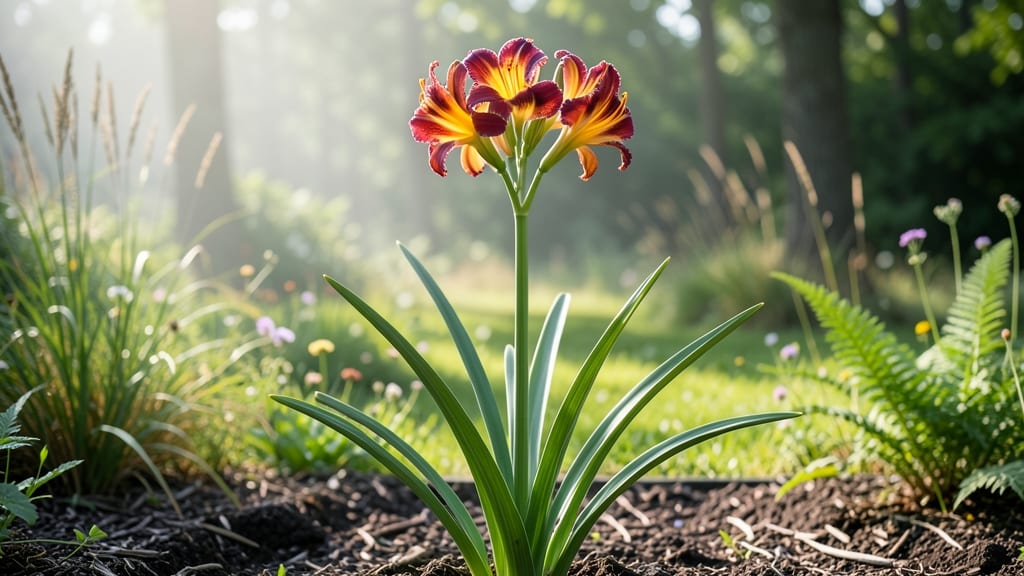
If you’ve ever wondered why your daylilies seem to bloom for just a few weeks before fading—or how to coax them into reblooming—you’re not alone.
These hardy perennials are famous for their vibrant displays, but their bloom periods vary wildly depending on whether they’re single-bloomers or rebloomers, and most gardeners miss the easy steps to extend their season.
In this guide, I’ll break down exactly how long each type of daylily flowers, what factors (like sunlight, soil, and climate) can shorten or lengthen their bloom time, and the 5 proven techniques to turn a short-lived burst of color into a long, show-stopping display.
You’ll also learn how to spot the signs of over- or under-watering, the best fertilizers to use (and when to skip them), and why deadheading at the right time makes all the difference. Ready to transform your garden into a nonstop parade of blooms?
How long each daylily variety blooms: single vs. reblooming types
Daylilies (Hemerocallis) are famous for their long bloom seasons, but not all varieties perform equally. The key difference lies between single-bloom types and reblooming varieties.
Single-bloomers typically flower just once per year, usually in late spring to early summer, while rebloomers can produce two or even three flushes of blooms across the growing season. Understanding these differences helps you choose the right plants for your garden's timeline.
Environmental factors like temperature, sunlight exposure, and soil fertility dramatically influence bloom duration. For example, cooler climates may shorten bloom periods, while well-draining soil and consistent moisture can extend them.
Let’s break down the specifics by variety type, including real-world examples and the best conditions for maximizing bloom time.
🌸 Comparison Table: Daylily Bloom Periods by Type
Single-blooming daylilies like 'Stella de Oro' deliver a short but intense display, typically flowering for just 2-3 weeks in late spring. These varieties are ideal if you want a bold burst of color without the need for maintenance.
Their simplicity makes them perfect for low-maintenance gardens or areas where you can’t commit to ongoing care.
In contrast, reblooming varieties like 'David's Pride' or 'Midnight Wine' can extend their show to 5-7 weeks across multiple seasons. Early rebloomers like 'Happy Returns' often kick off in late spring and return in late summer, while late rebloomers like 'Bandera' may even flower into fall.
These types require slightly more attention—like regular deadheading and balanced fertilization—but the payoff is a garden that stays vibrant for months.
Temperature plays a critical role in bloom duration. Daylilies thrive in USDA Zones 3-9, but their performance varies. In hotter climates (Zones 8-9), reblooming varieties may struggle if summer temperatures exceed 90°F (32°C) for prolonged periods.
Conversely, cooler climates (Zones 3-5) might see shorter bloom periods unless you choose early rebloomers that adapt well to shorter growing seasons.
Sunlight is another game-changer. Daylilies need full sun (6+ hours daily) for optimal blooming, but partial shade can reduce both the number and duration of flowers.
If your garden only offers 4-6 hours of sun, opt for reblooming varieties like 'Pardon Me', which tolerate lighter conditions better than single-bloomers.
Soil conditions also impact bloom length. Well-draining, slightly acidic soil (pH 6.0-7.0) is ideal. Heavy clay or waterlogged soil can stunt growth and shorten bloom periods. Amending soil with compost or organic matter before planting ensures your daylilies have the nutrients they need to produce longer-lasting blooms.
A light application of balanced fertilizer (5-10-10) in early spring can further boost performance.
For gardeners in shorter growing seasons (e.g., northern climates), early rebloomers are the best choice. Varieties like 'Happy Returns' often produce their second flush by late summer, giving you a second chance at color before frost.
In longer growing seasons (e.g., southern climates), late rebloomers like 'Midnight Wine' can extend blooms into October or November, provided they receive consistent water and protection from extreme heat.
If you’re new to daylilies, start with a mix of single-bloomers for easy care and early rebloomers for extended color. For example, pairing 'Stella de Oro' (single-bloom) with 'David's Pride' (reblooming) gives you a guaranteed show in spring plus a bonus flush in summer.
With the right variety and care, your daylilies can keep your garden bursting with color from June
5 Proven techniques to extend your daylily bloom period naturally
Daylilies are known for their long-lasting blooms, but many varieties naturally produce flowers in just one flush during late spring to early summer. The good news? With the right care, you can encourage reblooming and enjoy vibrant flowers from June through September.
The key lies in understanding your daylily’s needs and applying simple, science-backed techniques.
Not all daylilies rebloom—single-blooming varieties produce flowers just once per season, while reblooming types (like 'Stella de Oro' or 'Happy Returns') can flower multiple times. Even single-bloomers may respond to interventions if given the right conditions.
Let’s explore five natural methods to extend your daylily’s bloom period without harsh chemicals or overcomplicating your routine.
🌸 5 Proven Techniques for Longer Blooms
- 1. Deadhead Religiously – Remove spent blooms daily to redirect energy to new flowers. Use clean pruners to snip stems just above the first set of leaves.
- 2. Fertilize Strategically – Use a balanced fertilizer (5-10-10) every 4-6 weeks during growing season. Organic options like compost tea work too!
- 3. Water Deeply & Consistently – Aim for 1 inch of water weekly, delivered in the morning to prevent fungal issues.
- 4. Prune After Blooming – Cut back leaf litter in early fall to improve airflow and reduce pests, but leave healthy foliage for winter.
- 5. Choose Reblooming Varieties – Opt for proven rebloomers like 'Midnight Cowboy' or 'Pink Damask'—they’re bred to perform!
Let’s dive deeper into each technique, starting with deadheading, the simplest yet most effective way to prolong blooms. When you remove spent flowers, you’re not just tidying up—you’re sending a signal to the plant to produce more buds.
For daylilies, this means cutting the stem just above the first healthy leaf node, not at the base. This encourages the plant to focus its energy on new flower scapes rather than seed production.
Fertilization is another critical factor. While daylilies are low-maintenance perennials, they thrive with regular feeding during active growth. Organic options like fish emulsion or worm castings provide slow-release nutrients, while synthetic fertilizers offer quick results.
The key is consistency—avoid overdoing it, as excess nitrogen can lead to leafy growth at the expense of flowers. A light application every 6 weeks during spring and summer keeps blooms abundant.
Watering might seem straightforward, but many gardeners either underwater or overwater their daylilies. These plants prefer moderate moisture—enough to keep the soil evenly damp but not soggy. The best approach? Deep watering once or twice weekly, ensuring the water reaches the root zone (about 6 inches down).
Mulching with straw or shredded leaves helps retain moisture and regulate soil temperature, which is especially helpful during hot summer months.
Seasonal pruning is often overlooked, but it plays a huge role in reblooming. After the first flush of blooms, let the foliage remain intact to store energy for next year. However, in early fall, remove any dead or diseased leaves to prevent pests and improve airflow.
This fall cleanup also helps the plant enter dormancy more efficiently, setting the stage for a stronger rebloom the following season.
Finally, if you’re serious about extending your daylily’s bloom period, select reblooming varieties from the start. While single-bloomers like 'Kwang Tew' are stunning, they’re not ideal for long-season displays.
Instead, choose proven rebloomers such as 'Happy Returns' (yellow) or 'Stella de Oro' (gold), which are bred to flower multiple times with minimal extra care. Pair these with the techniques above, and you’ll enjoy continuous color from early summer to frost!