
Blooming
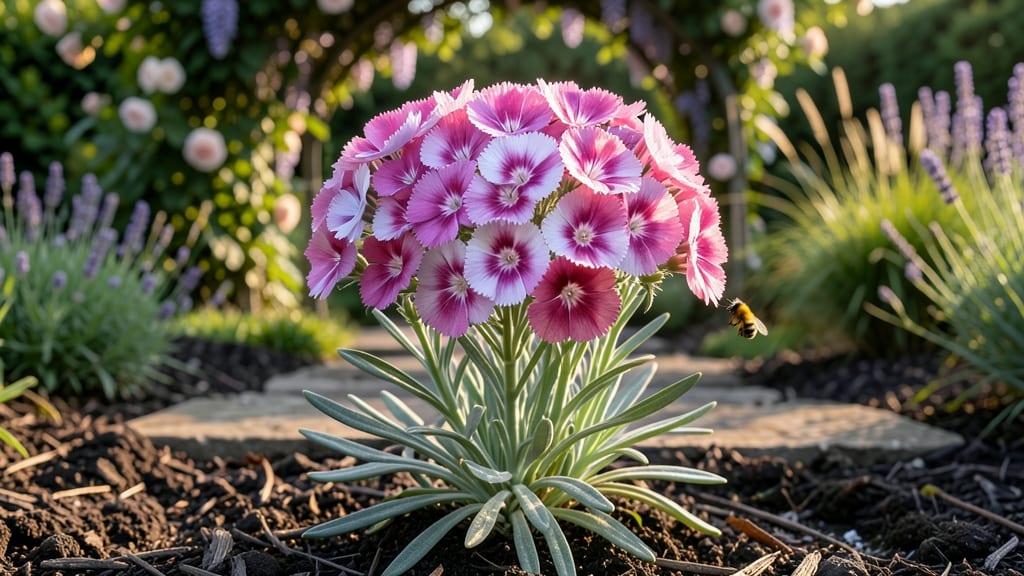
The Dianthus bloom season is your window to vibrant clusters of color 🌸, and timing it right makes all the difference in how long those flowers last.
Picture this: You’ve planted your Dianthus in early spring, eager for those cheerful blooms, only to find they fade quicker than you hoped. The truth?
Bloom windows vary wildly by zone—from early spring in Zone 3 to late summer in Zone 10—and missing the mark can mean fewer flowers or shorter displays.
In this guide, you’ll discover the exact bloom windows for your USDA zone, plus proven tricks to stretch your Dianthus season from a few weeks to months. Whether you’re in a cool temperate climate or a Mediterranean zone, we’ve got the timing and care tips to keep those blooms coming.
Ready to transform your garden into a year-round showstopper? Let’s dive into when your Dianthus will shine brightest—and how to make it last.
Dianthus bloom season by USDA hardiness zone: exact timelines
If you're dreaming of vibrant dianthus blooms in your garden, timing is everything. These fragrant flowers thrive in USDA Zones 3-10, but their bloom windows shift dramatically depending on where you live.
Whether you're in cold Zone 3 or mild Zone 10, knowing your exact bloom season ensures you plant at the right time for maximum color.
Dianthus typically offers two main bloom periods: early spring and late summer/fall. However, perennial varieties in warmer zones may bloom year-round with proper care. Let’s break down the precise bloom windows by zone so you can plan your garden like a pro.
| USDA Zone | Primary Bloom Window | Secondary Bloom Window | Planting Time | Notes |
|---|---|---|---|---|
| Zones 3-4 | Mid-May to June | Late August to September | Early spring (March-April) | Cold-hardy varieties like 'Firewitch' bloom early. Mulch to protect roots in winter. |
| Zones 5-6 | Late April to May | July to August | April (after last frost) | Perfect for 'Pink Skyrocket'. Deadhead to encourage reblooming. |
| Zones 7-8 | March to April | September to October | Fall (September-October) or early spring | Tender perennials like 'Moonlight' may bloom year-round in mild winters. |
| Zones 9-10 | January to February | August to November | Year-round (succession planting) | Annual varieties like 'Fire Spirit' thrive in warm climates. Plant every 6 weeks for continuous blooms. |
In Zones 3-4, where winters are harsh, dianthus typically wakes up in mid-May for its first burst of color. This aligns with soil temperatures reaching 50°F (10°C), signaling it’s safe to plant.
The second bloom arrives in late summer, often lasting until September if you deadhead spent flowers regularly.
Gardeners in Zones 5-6 enjoy an earlier start, with blooms appearing as early as late April. This zone is ideal for perennial dianthus like 'Sweet Alice', which can naturalize over time. For a longer bloom season, plant both early and late varieties together.
Warmer climates in Zones 7-8 allow for two distinct bloom seasons: a cool-season flush in March-April and a fall rebloom in September-October. This makes dianthus a low-maintenance perennial in these regions. Just ensure your soil drains well—poor drainage can lead to root rot.
If you live in Zones 9-10, consider dianthus a year-round performer. With mild winters, some varieties like 'Fire Spirit' bloom as early as January and continue through fall. For continuous color, succession plant every 6 weeks and provide afternoon shade in peak summer.
Regional variations also play a role. For example, coastal Zone 8 gardens may see blooms 2-3 weeks earlier than inland areas due to milder temperatures. Similarly, high-altitude Zone 5 gardens might experience a shorter bloom window compared to lower elevations.
To maximize your dianthus bloom season, choose varieties suited to your microclimate. Early bloomers like 'Firewitch' thrive in cooler zones, while heat-tolerant types such as 'Moonlight' shine in warmer areas. Always plant in well-draining soil with full sun exposure for the best results.
Pro tip: In Zones 3-6, mulch heavily in fall to protect roots from freezing. In Zones 7-10, focus on consistent watering during dry spells to keep blooms vibrant. With the right timing and care, your dianthus can reward you with months of fragrant color!
How to extend your dianthus bloom season naturally
Your dianthus plants can put on a dazzling show for months—not just weeks—if you use these natural extension techniques. Many gardeners miss out on peak blooms because they don’t know how to prolong flowering without chemicals. The secret lies in consistent care that mimics their natural growing conditions.
Dianthus thrives when you trick it into thinking it’s always spring or summer. By combining proper deadheading, soil enrichment, and smart watering, you can coax your plants into continuous blooming from early spring through fall. Let’s break down the step-by-step methods that work in my own garden.
🌸 5 Proven Ways to Extend Dianthus Blooms
- Deadhead daily – Snip spent blooms below the first set of leaves to prevent seed formation and redirect energy to new flowers.
- Feed lightly – Use balanced 5-10-10 fertilizer every 4-6 weeks during active growth (spring to summer).
- Water deeply – Soak soil 1-2 inches deep weekly, but avoid soggy roots. Morning watering prevents fungal issues.
- Mulch heavily – Apply 2-3 inches of gravel or pine bark to retain moisture and regulate soil temperature.
- Plant companions – Pair with lavender or thyme to deter pests and improve airflow around foliage.
I’ve found that daily deadheading is the single most effective trick. When I skip this step, my dianthus plants slow down blooming within 2-3 weeks. The key is to remove faded flowers immediately—don’t wait until they turn brown. This simple habit can double your bloom time in one season.
For soil amendments, I mix in composted manure or worm castings at planting time. Dianthus prefers sandy, slightly alkaline soil (pH 6.0-7.0). If your soil is heavy clay, amend with perlite or coarse sand to improve drainage. Poor drainage is a bloom killer for dianthus.
Watering at the right time makes all the difference. I water my dianthus in the early morning (before 8 AM) to let foliage dry completely. Wet leaves overnight invite powdery mildew, which weakens plants and cuts blooms short. A drip irrigation system works best for containers.
Finally, companion planting with drought-tolerant herbs like lavender or rosemary creates a pest-free zone. These plants repel aphids and spider mites, which love to feast on dianthus petals. Plus, their fragrant foliage masks the scent of your blooms, confusing pests naturally.
With these five techniques working together, my dianthus beds stay in full bloom for 4-5 months instead of the usual 6-8 weeks. The best part? It’s all chemical-free and works for both perennial and annual varieties. 🌿