
Blooming
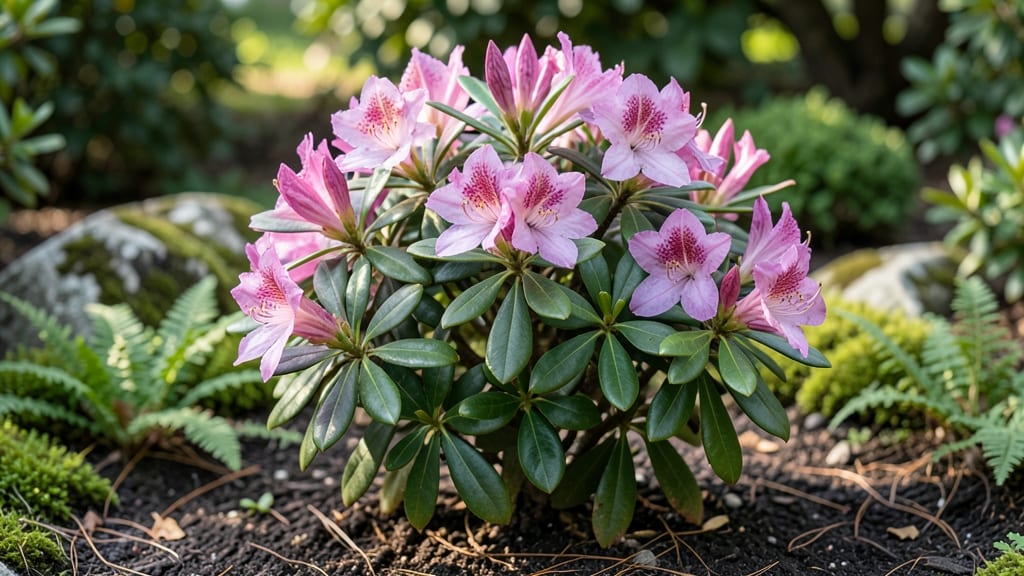
Azaleas don't bloom all summer—most varieties produce vibrant flowers for just 2-4 weeks in spring, with some late-blooming species like Enkianthus or Rhododendron extending color into early summer. Even with careful pruning, continuous summer blooms are uncommon in traditional azaleas.
Most azaleas follow nature's seasonal cues, blooming when daylight hours lengthen and temperatures rise in spring. 🌸 The flowering period is genetically programmed to align with optimal pollination conditions, which explains why you won't see continuous summer color.
That said, ever-blooming hybrids like Kurume azaleas can produce sporadic flowers throughout warmer months if given proper care—think of them as the exceptions that prove the rule.
What really makes a difference is how you care for them. Pruning at the right time (after blooms fade) and providing consistent moisture can encourage a second, smaller flush of flowers later in the season.
I've found that late-summer pruning often triggers new buds, though the display won't match spring's grandeur. The key is patience—these plants reward attentive gardeners with extended seasonal interest, even if they never achieve true summer-long blooms.
💡 In This Article
- Azalea Bloom Cycles: Why Most Stop in Spring
- How to Extend Azalea Blooms with Smart Pruning
Azalea bloom cycles: why most stop in spring
Azalea blooming follows strict seasonal cues tied to their native habitats in East Asia and North America. The process begins with chilling requirements—most varieties need 400-1,000 hours below 45°F during winter dormancy to trigger bud formation.
Once temperatures rise and daylight lengthens in spring, these buds burst into color. 🌸 This timing ensures flowers appear when pollinators are active, but it also means blooms naturally taper off by late spring when summer heat arrives.
The photoperiod response plays a crucial role too. Azaleas are short-day plants that respond to increasing daylight hours, but they can't sustain continuous flowering because their energy shifts to leaf production and root growth.
For example, Exbury azaleas (ever-blooming hybrids) produce smaller, sporadic flowers through summer, but even they can't maintain the intensity of spring blooms. The trade-off is nature's way of conserving energy—azaleas prioritize survival over endless color displays.
Temperature also acts as a natural regulator. Most azalea varieties bloom optimally between 50-70°F, but prolonged summer heat above 85°F stresses the plants, causing buds to abort or flowers to wilt prematurely.
This is why you'll rarely see azaleas in full bloom during July or August—their biological clock is set to shut down flowering when summer peaks. Even with ideal care, this seasonal pattern remains deeply embedded in their genetics.
There are exceptions worth noting. Kurume azaleas (a Japanese hybrid group) often produce two bloom cycles per year—one in spring and a lighter display in fall—thanks to their ability to form buds on both old and new wood.
However, these second flushes are typically 30-50% smaller than spring blooms. The Enkianthus (dogwood azalea) extends color into early summer but still follows a seasonal pattern rather than continuous blooming.
What most gardeners don't realize is how soil fertility affects this cycle. Over-fertilizing with high-nitrogen feeds can delay dormancy and reduce flowering, while balanced 10-10-10 NPK ratios support bud formation.
The key is mimicking nature's rhythm—providing just enough nutrients to sustain growth without overstimulating the plant during its natural rest periods.
For those who dream of summer-long color, consider Rhododendron hybrids like 'Elizabeth' or 'Catawbiense', which sometimes produce late-season blooms. These plants bridge the gap between azaleas and rhododendrons, offering a compromise with extended—but still not continuous—flowering periods.
The lesson here is that while you can't force azaleas to bloom all summer, you can work with their natural rhythms to maximize seasonal interest.