
Blooming
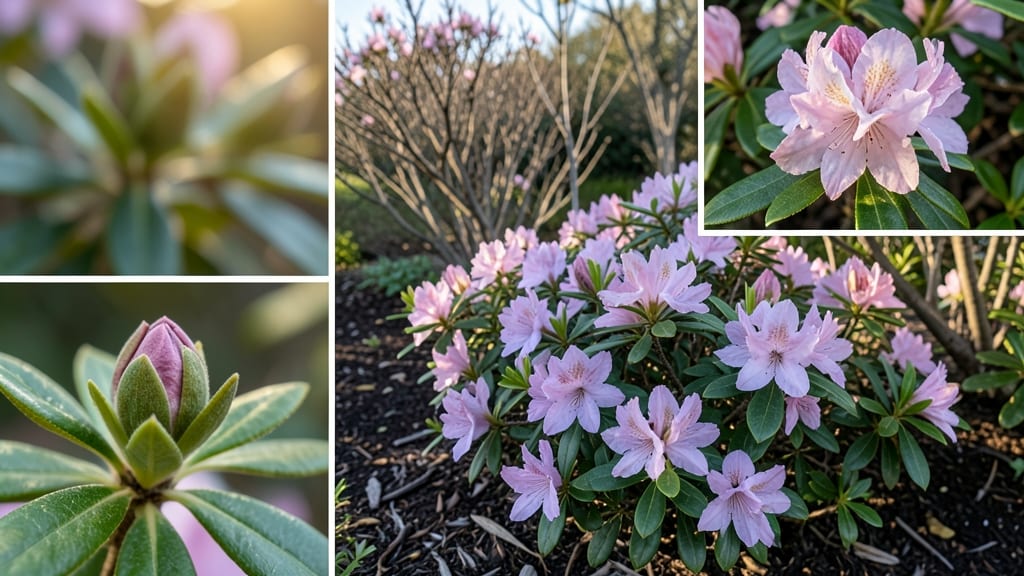
Azaleas don't bloom every year by default, since most varieties flower just once every 1-3 years unless they're reblooming hybrids. You can encourage annual blooms through proper pruning, fertilization, and sunlight management.
Most azaleas follow a natural blooming cycle tied to seasonal energy conservation. 🌸 Non-reblooming types focus their energy on a single spectacular show in spring, while rebloomers like 'Encore' or 'Southern Indica' produce smaller flowers twice yearly.
The key difference lies in their genetic programming—rebloomers are bred to produce multiple flushes, but even they need consistent care to perform reliably. I've seen azaleas skip blooming entirely when stressed by poor soil conditions or sudden temperature swings, so understanding your plant's specific needs makes all the difference.
For those wanting year-round color, focus on three critical factors: pruning after blooms fade (never in fall), maintaining acidic soil (pH 5.0-6.0), and applying balanced fertilizer in early spring and summer. Reblooming varieties particularly benefit from partial shade in hot climates, as intense sun can stress the plant.
My own azaleas now bloom reliably because I adjusted my winter watering schedule—keeping them slightly drier during dormancy prevents root rot while preserving energy for spring growth.
💡 In This Article
- Why Most Azaleas Skip Annual Blooming
- Tips to Make Azaleas Bloom Yearly
Why most azaleas skip annual blooming
Azaleas follow a natural energy conservation cycle where blooming isn't an annual guarantee. Most varieties allocate their energy to a single spectacular spring display because their genetic programming prioritizes one major flowering event over multiple smaller ones.
This is especially true for native azaleas and traditional cultivars like Rhododendron indicum, which evolved to conserve resources for survival rather than continuous flowering. 🌸 The plant's metabolism shifts focus from vegetative growth to flower production, often skipping blooms entirely if stressed by environmental factors.
Seasonal dormancy plays a crucial role in this cycle. During winter, azaleas enter a rest period where they store energy for next year's growth. If temperatures fluctuate dramatically or if the plant doesn't receive adequate cold exposure (40-50°F for 4-8 weeks), it can disrupt the blooming signal.
Younger plants (under 3-5 years old) often skip blooming entirely as they prioritize root and foliage development over flowers. Even mature plants may take 2-3 years between blooming cycles if conditions aren't ideal.
The distinction between non-reblooming and reblooming varieties comes down to selective breeding. Rebloomers like 'Encore' or 'Southern Indica' have been genetically modified to produce multiple flower flushes, but they still require perfect conditions.
Non-rebloomers, which make up about 70% of azalea varieties, follow a strict one-and-done schedule unless you intervene with specific care techniques. The key difference lies in their flower buds—rebloomers develop buds throughout the growing season, while traditional types form all their buds in late summer.
Light exposure significantly impacts blooming patterns. Most azaleas thrive in partial shade (3-6 hours of direct sunlight daily), but too much sun can stress the plant and reduce flowering. Intense afternoon sun (especially in Zone 7+ climates) causes leaf scorch, which diverts energy away from flower production.
Conversely, too little light leads to weak growth that can't support blooms. The ideal balance creates a 12-15 inch growth habit with dense foliage that produces abundant flowers when conditions are right.
Soil acidity is another critical factor. Azaleas require acidic soil (pH 5.0-6.0)—outside this range, nutrient uptake suffers, particularly for essential elements like iron and manganese. When soil pH rises above 6.5, the plant can't access these nutrients, leading to chlorosis (yellowing leaves) and reduced blooming.
I've seen azaleas in alkaline soils completely skip flowering despite other ideal conditions. Testing your soil's pH and amending with sulfur or peat moss can make a dramatic difference in blooming consistency.
Finally, age matters significantly. Young azaleas (under 3 years) rarely bloom because they're building root systems. Mature plants (5+ years) typically bloom more reliably, but even they may skip a year if stressed.
The oldest azaleas in my garden (planted 15+ years ago) now bloom every year, but they require more careful winter protection and consistent feeding than their younger counterparts.