
Blooming
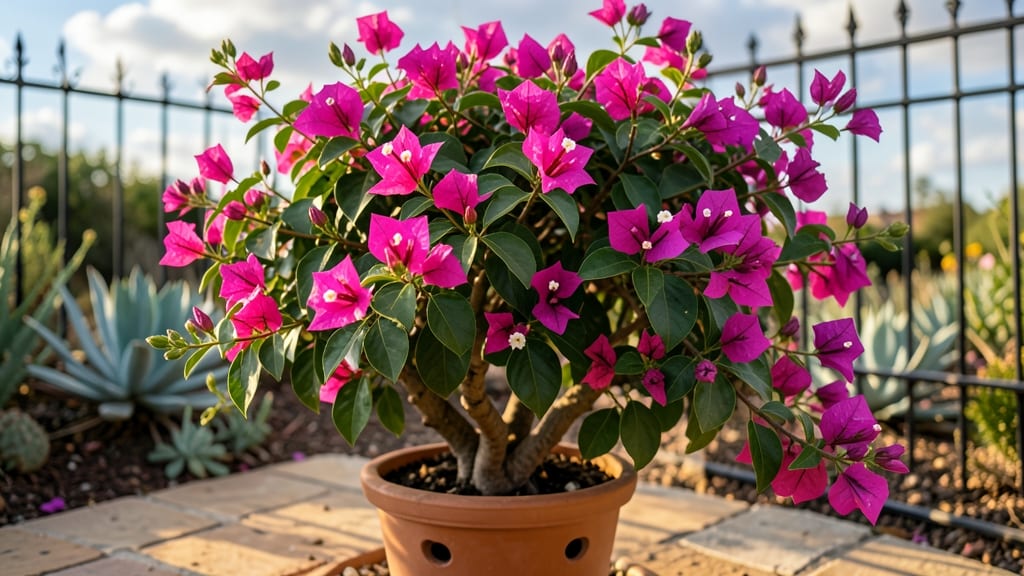
Bougainvillea do not bloom year-round naturally, but certain varieties—particularly in warm climates like USDA zones 9-11—can flower continuously with attentive care, strategic pruning, and seasonal adjustments. Chilly temperatures force dormancy, stopping blooms until spring.
Bougainvillea are tropical plants at heart, so their flowering habits depend heavily on climate.
In warmer regions like Florida or Southern California, some varieties like Bougainvillea 'San Diego Red' or 'Vera' can produce near-constant blooms when given consistent sunlight and proper watering. 🌿 The key is understanding their natural rhythm—most bougainvilleas have a dormant period in cooler months, though this can be minimized with protective measures like frost covers or moving potted plants indoors during winter.
Even in ideal conditions, expect some seasonal slowdowns unless you're in a frost-free zone.
What many gardeners don't realize is that blooming isn't just about temperature—it's also about growth stimulation. Pruning at the right times (just after flowering) encourages new growth, which then produces more blooms.
I've found that regular feeding with a balanced fertilizer (10-10-10) during active growth phases makes a noticeable difference in how long and vigorously they flower. The trade-off? Over-fertilizing can lead to lush foliage but fewer blooms, so moderation is everything.
💡 In This Article
- Climate Zones and Bougainvillea Blooming Seasons
- Tips to Extend Bougainvillea Blooms Beyond Natural Seasons
Climate zones and bougainvillea blooming seasons
Bougainvillea's blooming patterns are directly tied to temperature, with their tropical origins dictating strict seasonal behavior. In USDA zones 9-11—where winters rarely drop below 20°F—varieties like 'Thunderbird' or 'California Gold' can flower almost year-round because they never experience true dormancy.
The plant's growth cycle accelerates when daytime temperatures stay above 65°F, which triggers continuous bud production. In contrast, zones 7 and below trigger dormancy when temperatures fall below 40°F, causing the plant to conserve energy and halt flowering until spring.
Sunlight plays an equally critical role: bougainvillea requires 6-8 hours of direct sunlight daily to maximize blooms. In Florida's subtropical climate, plants receive abundant sunlight year-round, while California's Mediterranean climate offers intense summer sun but milder winters—both ideal for extended blooming. The difference?
Florida's humidity can stress plants, while California's dry heat promotes healthier growth. 🌞 What's fascinating is how bougainvillea adjusts its energy allocation: in cooler months, it prioritizes root and stem growth over flowers, which is why you'll see lush foliage but few blooms during winter in marginal zones.
Here's what happens scientifically: bougainvillea's vibrant "flowers" aren't actually flowers—they're colorful bracts that surround tiny white blossoms. These bracts develop from new growth stimulated by warm temperatures and proper pruning.
In USDA zone 8, where winters dip to 10-20°F, plants may produce a final flush of blooms in early spring before entering dormancy. The key threshold is 50°F—below this, metabolic processes slow dramatically, and blooming stops until temperatures rise again.
Regional variations create dramatic differences in blooming windows. In Southern California, where winters are mild but summers can exceed 90°F, bougainvillea often bloom from March through November with minimal breaks.
Meanwhile, in Hawaii's tropical zone 12, some varieties flower continuously because there's no seasonal temperature shift to trigger dormancy. The trade-off? In colder zones, even hardy varieties like 'Mrs. Butt' will only bloom 4-6 months per year unless you take protective measures.
What most gardeners overlook is how day length affects blooming. Bougainvillea are short-day plants, meaning they flower more readily when daylight hours shorten (fall/winter). However, in tropical zones where day length remains consistent, this natural rhythm becomes less pronounced.
This is why you'll see bougainvillea in USDA zone 10 producing blooms in every season—because the lack of temperature extremes removes the primary dormancy trigger. 🌿
Consider these regional blooming patterns:
- Zone 9-11: Year-round potential with proper care (e.g., Florida, Southern California)
- Zone 8: 4-6 months of blooms (spring-fall), winter dormancy
- Zone 7 and below: 2-4 months (late spring-summer), heavy dormancy