
Blooming
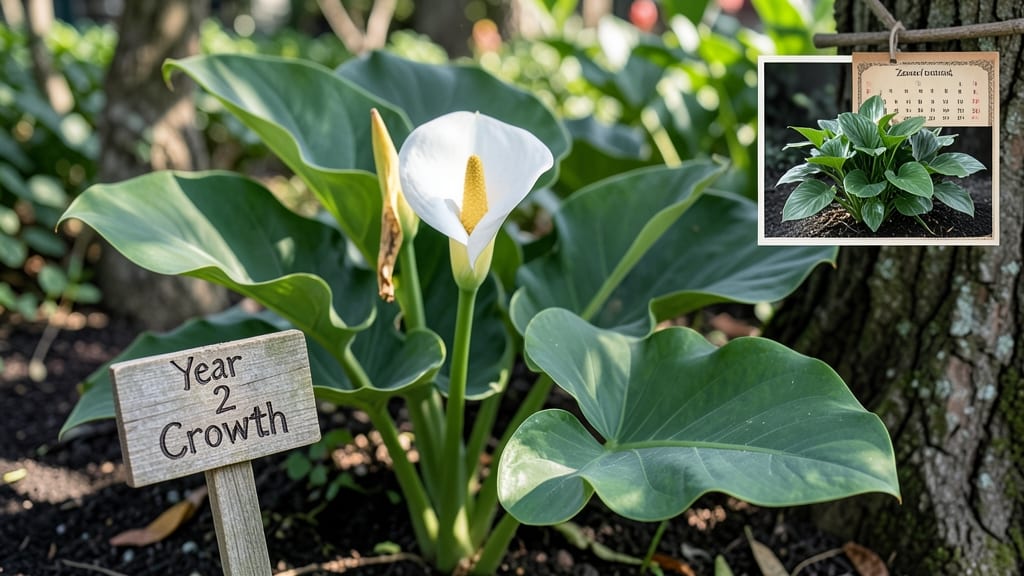
Calla lilies do not bloom every year unless they are reblooming varieties; most types produce flowers once per season, typically in spring or summer, before entering dormancy. Proper care and winter protection can encourage repeat blooming in certain cultivars like Zantedeschia aethiopica hybrids.
Most calla lilies follow a natural seasonal rhythm, focusing their energy on growing strong tubers rather than producing flowers year-round. 🌱 This is especially true for traditional varieties like the classic white calla lily (Zantedeschia aethiopica), which bloom in spring or summer and then rest during cooler months.
However, some specialized cultivars—such as Black Star or Pink Fantasy—are bred to rebloom with the right conditions, including consistent warmth, proper lighting, and nutrient-rich soil.
To encourage repeat blooms, I recommend providing bright, indirect light (at least 6 hours daily) and using a balanced fertilizer every 4-6 weeks during the growing season. In colder climates, tubers should be stored in a cool, dry place over winter and replanted in spring.
This careful cycle management can make even non-reblooming types more productive over time.
💡 In This Article
- Why Most Calla Lilies Bloom Only Once Per Season
- How to Maximize Calla Lily Blooms Year-Round
Why most calla lilies bloom only once per season
Calla lilies follow a natural growth cycle where their energy shifts between tuber development and flowering. During their active season, these plants prioritize building up their underground tubers as a food reserve, which is why you often see lush foliage before any flowers appear.
This energy allocation is a survival mechanism—tubers store nutrients for the plant's dormancy period, ensuring it can regrow in less favorable conditions. 🌱 The blooming phase is essentially a carefully timed burst of energy, triggered by specific environmental cues like increasing daylight and soil temperatures.
Seasonal light exposure plays a critical role in this cycle. Most calla lilies require 12-14 hours of daylight to initiate flowering, which naturally occurs in spring or summer in temperate climates. When daylight shortens in fall, the plant receives a signal to enter dormancy, halting flower production.
This photoperiodic response is why you'll rarely see blooms in winter—even with perfect care. Climate zones also matter: In warmer regions (USDA zones 8-11), some varieties may attempt a second bloom cycle, while in colder zones (4-7), the plant conserves energy for survival rather than reproduction.
The tuber's role is often misunderstood. While many gardeners assume larger tubers mean more flowers, the reality is that the plant first needs to establish a robust root system before it can support blooms.
A 3-inch-diameter tuber might produce 1-3 flowers, but it takes 2-3 years of growth to reach this size.
This is why young plants often focus solely on foliage before their first bloom—it's an investment in future flowering potential. 🌿 The trade-off between tuber growth and flower production is a fundamental part of calla lily biology.
There's also a genetic component to blooming frequency. Traditional varieties like the white calla lily (Zantedeschia aethiopica) are hardwired for single-season blooming, while newer hybrids like Black Star have been selectively bred to extend their flowering window.
The difference lies in their genetic response to environmental triggers—some varieties simply "forget" to bloom in their second year without human intervention. This is why proper winter care becomes crucial for encouraging repeat blooms in these hybrid types.
Temperature fluctuations further complicate blooming patterns. Calla lilies are tropical plants that prefer 65-75°F during active growth. When nighttime temperatures drop below 50°F, the plant perceives this as a signal to conserve energy, often resulting in fewer or no blooms.
This is why indoor calla lilies in cooler climates may bloom once but struggle to repeat the process—without consistent warmth, their natural rhythms are disrupted. 🌡️ Understanding these temperature thresholds helps explain why some gardeners see annual blooms while others don't.
One fascinating aspect is how calla lilies use their flowers as a reproductive strategy. Each bloom contains both male and female parts, but they're not self-pollinating—they rely on insects to transfer pollen between plants.
This means the plant only produces flowers when conditions are optimal for both its own survival and successful reproduction.
In less-than-ideal years, the plant may skip flowering entirely to focus on building stronger tubers for future seasons. 🐝 This biological trade-off is why patience and proper care are essential for encouraging repeat blooms.