
Blooming
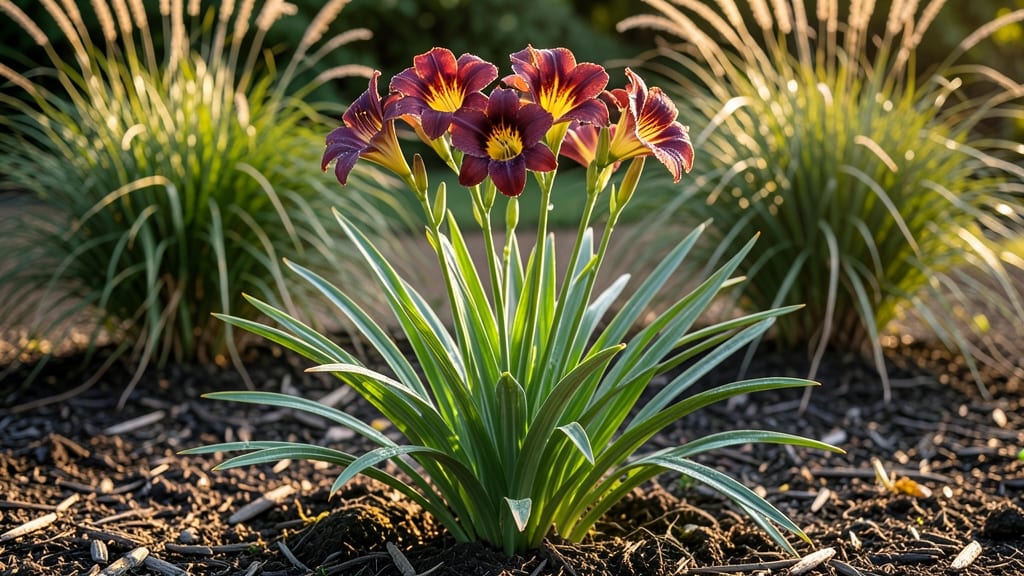
Daylilies bloom all summer in many varieties, producing multiple flower stalks that rebloom after initial blooms fade, though some types only flower once per season. Reblooming varieties thrive with proper care and deadheading.
Not all daylilies follow this pattern—some stunning varieties bloom just once per season, typically in early summer, while others deliver continuous color from late spring through fall. 🌸 The key difference lies in their genetic makeup: reblooming types (like Stella de Oro) have been selectively bred to respond to seasonal cues differently, producing new flower stalks after deadheading.
I’ve found that these varieties reward gardeners with months of blooms when given consistent moisture and regular maintenance.
For gardeners in warmer climates, reblooming daylilies can extend their show well into autumn, while cooler regions may see reduced performance. The secret to maximizing blooms lies in understanding your specific variety’s needs—some thrive with afternoon shade, while others demand full sun.
Proper spacing also prevents overcrowding, which can limit flower production.
💡 In This Article
- How Daylily Blooming Cycles Work
- Best Reblooming Daylily Varieties for Continuous Summer Blooms
How daylily blooming cycles work
The secret behind daylilies' extended blooming lies in their unique biological response to seasonal changes. Unlike many perennials that rely on a single flush of flowers, daylilies produce multiple flower stalks (called scapes) throughout the growing season.
The key mechanism involves photoperiod sensitivity—how plants respond to daylight length. Reblooming varieties have been bred to ignore the natural dormancy signals that trigger single-bloom types to rest after their initial summer display.
Temperature plays a crucial role too. Most daylilies need 60-70°F daytime temps to initiate new flower buds, while cooler nights (55°F) help prevent premature dormancy.
In my garden, I've noticed that varieties like Stella de Oro continue producing scapes even when nights dip into the 50s°F
Light intensity matters just as much as duration. Daylilies in full sun (6+ hours daily) develop stronger stems and more robust blooms, while those in partial shade may produce fewer but longer-lasting flowers. The trade-off? Too much afternoon sun in hot climates can cause buds to scorch before opening. I've found that varieties with darker foliage (like Black Beauty) handle heat better than lighter-leaved types. What most gardeners overlook is the plant's internal clock. Daylilies track cumulative heat units (growing degree days) to determine when to flower. Rebloomers have a more flexible threshold—typically between 1,200-1,500 GDDs—while single-bloomers often trigger at 900-1,100 GDDs. This explains why northern gardens may see fewer reblooms than southern ones, even with the same variety. The reblooming process works like this: After deadheading spent blooms, the plant redirects energy to new scapes. Each stalk can produce 3-10 flowers depending on the variety, with new growth emerging from leaf axils. This continuous cycle creates the illusion of nonstop blooming—though technically, there are always fresh stalks emerging to replace faded ones. 🌸 One fascinating detail is how daylilies prioritize resources. When stressed by drought or poor soil, they'll often sacrifice flower production to maintain foliage. That's why consistent moisture (1-2 inches per week) is critical during bloom periods. I've seen Happy Returns varieties drop 30% of potential blooms when watered inconsistently, proving that reblooming isn't automatic—it's earned through proper care.