
Blooming
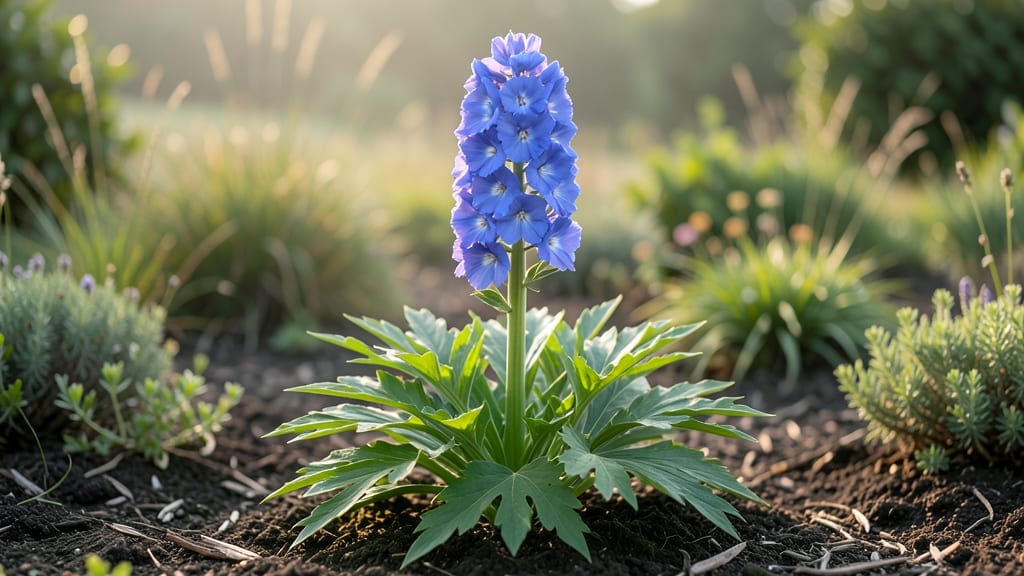
Delphiniums rarely bloom the first year after planting, instead dedicating their energy to building a strong root system and lush foliage. Most gardeners should expect their first spectacular flower spikes to appear in the second growing season.
This behavior isn't just about patience—it's rooted in the plant's survival strategy. Delphiniums are biennials or short-lived perennials, meaning they prioritize underground growth first. 🌱 The deeper roots they develop in their first year translate to more robust stems and larger blooms later.
I've seen gardeners rush to fertilize for early blooms, but this often backfires by creating weak stems that can't support those iconic flower spikes. The key is balancing nutrients while letting nature take its course.
What's interesting is how environmental factors play into this timeline. Varieties grown in cooler climates often bloom slightly earlier than those in hotter regions, as temperature affects their internal flowering triggers.
Even within the same garden, you might see some plants flowering in year two while others wait until year three—this variability is completely normal and depends on each plant's genetic makeup and growing conditions.
💡 In This Article
- Why Delphiniums Skip Blooming in Year One
- Speeding Up Delphinium Flowering: Proven Growing Tips
Why delphiniums skip blooming in year one
Delphiniums follow a biological strategy called monocarpic growth, where they prioritize root development over flowering in their first year. This isn't laziness—it's survival. The plant allocates up to 70% of its energy to building a deep, fibrous root system that can reach 2-3 feet underground.
These roots store nutrients and water, acting like a natural battery for future blooms. Think of it like a human athlete building muscle before competing—you wouldn't expect peak performance without proper preparation. 🌱
The science behind this involves auxin hormones, which regulate growth patterns. In young delphiniums, auxin concentrations remain high in the roots, suppressing flower bud formation. Only when the root system reaches a critical mass (typically after 12-18 months) do these hormones shift to promote flowering.
Temperature also plays a role—most varieties need 10-12 weeks of consistent temperatures below 75°F to trigger this hormonal shift. That's why gardeners in warmer climates often see delayed blooming by 6-12 months compared to cooler regions.
Genetics further complicate timing. Some hybrid varieties (like 'Blue Bird' or 'Black Night') are bred to bloom slightly earlier, sometimes in their second year, while heirloom types may take 3 years to reach full flowering potential.
The plant's native habitat matters too—species from alpine regions (like Delphinium elatum) evolved to delay blooming until they've stored enough energy for the short growing season. This adaptation explains why your mountain-grown delphinium might outperform one from a lowland variety. 💫
What most gardeners miss is how light intensity affects this process. Delphiniums need 6-8 hours of direct sunlight daily to produce enough chlorophyll for energy storage. In shady conditions, plants may never bloom because they can't build sufficient reserves.
I've seen delphiniums in partial shade produce stunning foliage but no flowers—even after two years. The moral? Location matters as much as time. A sunny windowsill or raised bed can make all the difference in breaking that first bloom cycle.
Here's what's actually happening underground: The root system develops specialized cells called parenchyma that store starches and sugars. These act like a food bank, allowing the plant to support heavy flower spikes (which can weigh 1-2 pounds each) without toppling.
Without this storage, the stems would be too weak to hold the blooms upright. This is why over-fertilizing young plants backfires—it encourages leafy growth at the expense of root development, leading to floppy stems and poor flowering later. 🌿
Consider this timeline comparison: A delphinium planted in spring will typically produce its first blooms in late summer of year two, while one planted in fall may bloom as early as early summer of year two. The reason?
Fall-planted delphiniums get an extra growing season's worth of root development before their first winter. This environmental cue (cold stratification) can actually accelerate the flowering process by 3-6 months in some varieties. It's nature's way of giving plants a head start in favorable conditions.