
Blooming
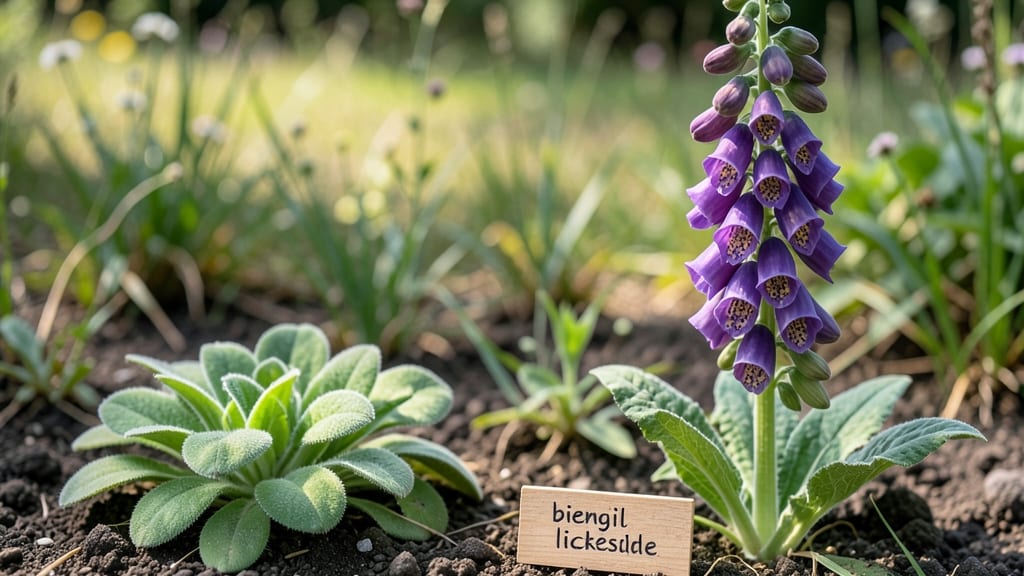
Foxgloves don’t bloom every year—they’re biennials, meaning they typically flower, set seed, and die after two years. 🌿 But here’s the good news: with the right care, you can trick them into blooming year after year by planting multiple age groups or deadheading spent flowers to encourage reblooming.
The key is mimicking their natural cycle: sow seeds in early spring or fall, then let seedlings grow into sturdy rosettes before flowering. In milder climates like zones 5-8, they may even self-seed and return annually.
For colder regions, treat them as short-lived perennials—they’ll reward you with dramatic spikes of bell-shaped blooms for 2-3 seasons.
Well-drained soil and partial shade keep them thriving. After flowering, cut back stems but leave the basal leaves—they’ll store energy for next year’s growth. If you deadhead regularly, you might even see a second flush of blooms in the same season.
For consistent displays, plant new seeds every other year. That way, you’ll always have fresh plants ready to take center stage in your garden. The trade-off? Fewer surprises, but more reliable drama every summer.
📚 In This Guide
- What you need
- Instructions
- Tips and common mistakes
- Wrapping up and next steps
What you need
- ● Foxglove seeds or nursery-grown plants: Choose from varieties like Digitalis purpurea (common foxglove) or Digitalis grandiflora (yellow foxglove). Start with 3–5 plants for a small garden display.
- ● Well-draining potting mix or garden soil: Foxgloves thrive in loamy, slightly acidic soil (pH 6.0–7.0). For containers, use a mix with 20–30% perlite or compost to improve aeration.
- ● Organic compost or slow-release fertilizer: A balanced 10-10-10 or 5-10-10 NPK ratio (1–2 tbsp per plant) promotes healthy growth. Avoid high-nitrogen fertilizers, which can reduce blooming.
- ● Watering can or hose with a gentle spray nozzle: Foxgloves need 1–1.5 inches of water per week, but avoid waterlogging.
- ● Pruning shears or sharp scissors: For deadheading spent blooms and shaping plants in late summer/fall.
- ○ Mulch (optional but recommended): 2–3 inches of organic mulch (e.g., shredded bark or straw) retains moisture and protects roots in winter.
- ● Sunlight: Partial shade to full sun (3–6 hours of direct sunlight daily). Too much sun can scorch leaves, while too little may reduce blooming.
- ● Hardiness zone: Foxgloves are perennial in USDA zones 3–9. In colder zones, protect plants with mulch or frost cloth in winter.
- ● Space: Allow 12–18 inches of spacing between plants for air circulation and growth.
- ● Epsom salt (magnesium sulfate): A tablespoon dissolved in 1 gallon of water every 4–6 weeks boosts flower production.
- ● Plant supports (e.g., stakes or cages): Tall varieties like Digitalis purpurea may need 6-inch stakes for stability.
- ● Companion plants: Pair foxgloves with ferns, hostas, or columbines for a lush, shade-friendly garden.
- ● Seed-saving kit (if harvesting seeds): Foxgloves self-seed readily, but a breathable mesh bag can collect seeds for next year.
Understanding foxglove blooming patterns: annual or perennial?
Here's the truth about foxgloves—why they often act like annuals and how to coax them into reblooming.
🌱 Step 1: Identify Your Foxglove's True Nature
Foxgloves (Digitalis purpurea) are technically perennials, but their first-year behavior often makes them seem annual. The key difference lies in their energy allocation: first-year plants focus on root and foliage growth, storing energy for future blooms. You'll notice sturdy basal leaves by late summer, signaling successful root establishment.
This first-year growth is critical—plants that bloom heavily in year one often exhaust their reserves and fail to return. The trick is patience: let them build strength. By their second spring, well-established foxgloves can produce 3-4 foot tall spikes with hundreds of bell-shaped flowers, but only if given proper care during that initial dormant period.
☀️ Step 2: Provide Ideal Growing Conditions for Reblooming
Foxgloves thrive in partial shade (4-6 hours of morning sun) with well-draining soil that mimics their woodland origins. Too much direct sun scorches leaves, while too little light weakens stems. You'll know you've got it right when foliage remains deep green without yellowing or crispy edges.
Water consistently during the growing season, keeping soil evenly moist but never soggy. The roots need oxygen to develop properly—waterlogged conditions lead to rot and prevent reblooming. In containers, use pots with drainage holes and a 50/50 mix of potting soil and perlite to maintain airflow.
✂️ Step 3: Deadhead Strategically to Encourage Return Blooms
After flowers fade, remove spent blooms by cutting the entire flower spike 2-3 inches below the base. This prevents seed production, which diverts energy from root storage. I always use clean, sharp pruners to avoid damaging stems—ragged cuts invite disease.
Here's the thing—foxgloves often produce a second, smaller bloom cycle in late summer if given proper care. Watch for new flower buds forming along the stems in early fall. These secondary blooms are your reward for proper deadheading and consistent moisture.
🌿 Step 4: Protect Plants Through Winter for Next Year's Blooms
Foxgloves are hardy to USDA Zone 4, but their winter survival determines reblooming potential. In colder climates, mulch with 2-3 inches of shredded leaves or straw after the first hard freeze to insulate roots. The mulch should feel thick but not compacted—think "fluffy blanket" not "heavy weight."
Remove mulch in early spring before new growth appears. You'll see fresh shoots emerging in late March to April, depending on your climate. These new leaves indicate the plant's readiness to bloom again. If you notice only a few weak stems, the plant may need division to rejuvenate its energy.
⏰ Step 5: Divide Established Clumps Every 3-4 Years
Over time, foxglove clumps become congested, reducing flowering potential. In early spring, dig up the entire plant and separate it into 3-4 inch sections, ensuring each piece has both roots and shoots. Replant immediately in fresh soil amended with compost—this gives them a nutrient boost to recover.
This division process is your secret weapon for reviving old plants. You'll notice stronger stems and more abundant blooms the following year. Just be gentle—foxglove roots are delicate and break easily. Handle them like you would a fragile orchid root system.
Tips & tricks for encouraging foxglove reblooming
Real talk: foxgloves can be finicky about reblooming, but these tricks will help you transform them from one-season wonders into reliable perennials.
Watch for First-Year Energy Storage: In Step 1, when you notice those sturdy basal leaves by late summer, that's your plant's way of saying, "I'm storing up for next year." Don't be tempted to harvest leaves or flowers—this energy reserve is what fuels reblooming. I've seen gardeners pull foxglove leaves for salads (yes, they're edible!) only to have their plants fail to return the next spring. Save the harvesting for established plants that clearly have surplus growth.
Sunlight Balance is Everything: The 4-6 hours of morning sun in Step 2 is non-negotiable for reblooming success. I learned this the hard way after moving my foxgloves to full sun for a "better" display—my plants produced flowers, but the stems were weak and the foliage scorched. For afternoon sun, use sheer fabric shade cloth (30-50% shade) during peak hours (1-4pm). You'll notice the difference in leaf color within weeks: vibrant green means you've got it right.
Deadheading Precision Matters: When you're cutting those spent flower spikes 2-3 inches below the base in Step 3, think of it as redirecting the plant's energy. I used to cut too close to the stem base, which damaged the growth points. Now I make a clean cut just above where new buds might form, and I've seen second bloom cycles emerge in late summer. Also, sterilize your pruners with rubbing alcohol between cuts to prevent disease spread—foxgloves are surprisingly susceptible to fungal infections through open wounds.
Winter Protection Strategy: That 2-3 inch mulch layer in Step 4 isn't just about insulation—it's about moisture retention during winter thaw cycles. I've found that adding a layer of evergreen boughs on top of the mulch provides additional protection from temperature swings. In Zone 5 and warmer, you can often skip the mulch entirely if you have deep, well-draining soil, but in colder zones, this layer makes all the difference between a plant that returns and one that doesn't.
Pro Tips for Do Foxgloves Bloom Every Year
- Real talk: foxgloves can be finicky about reblooming, but these tricks will help you transform them from one-season wonders into reliable perennials.
- Watch for First-Year Energy Storage: In Step 1, when you notice those sturdy basal leaves by late summer, that's your plant's way of saying, "I'm storing up for next year."
- Sunlight Balance is Everything: The 4-6 hours of morning sun in Step 2 is non-negotiable for reblooming success.
Frequently asked questions
Got questions about foxgloves and their blooming habits? You’re not alone! Here are some of the most common queries—plus straightforward answers to help you keep your garden thriving.
Do foxgloves die after flowering?
Not necessarily! While foxgloves (Digitalis) are biennials or short-lived perennials, many varieties do rebloom yearly if given proper care. Deadheading spent blooms can encourage a second flush in the same season, and healthy plants often return for 3–5 years with consistent care.
Why aren’t my foxgloves blooming this year?
Several factors can delay blooms: overcrowding (thin seedlings), poor soil (they prefer well-draining, slightly alkaline conditions), or lack of sunlight (6+ hours daily is ideal). If your plants are leggy or flopping, they may need staking or pruning to redirect energy toward flowers. Pro tip: Fertilize lightly in early spring with a balanced 10-10-10 mix to boost growth.
Can I grow foxgloves as annuals for guaranteed flowers?
If you want reliable blooms every year without the wait, treat foxgloves as annuals. Sow fresh seeds annually in fall or early spring, and enjoy vibrant spikes by late spring/early summer. This method also prevents the decline of older plants, which often flop or produce fewer flowers over time.
How do I encourage foxgloves to rebloom?
To coax a second bloom cycle, deadhead spent flower spikes before seed pods form. Cut back foliage by ⅓ after the first bloom to promote bushier growth. Water consistently (but avoid soggy soil) and mulch with compost to retain moisture. Some varieties, like Digitalis grandiflora, are more likely to rebloom than others.
Are foxgloves toxic if they don’t bloom?
Yes—all parts of foxgloves are toxic to humans and pets, even when not in bloom! The plant contains digitalis compounds that can cause nausea, irregular heartbeat, or worse if ingested. Keep them out of reach of children and animals, and wear gloves when handling. Safety tip: Plant them in containers or behind fences if you have curious pets.
Wrapping up and next steps
So, do foxgloves bloom every year? The answer is a yes—but with a twist! 🌸 While they’re perennials, their blooming habits depend on care, climate, and variety. With the right conditions, you can enjoy their stunning spikes year after year, making them a rewarding addition to your garden.
Ready to encourage your foxgloves to thrive? Start by giving them well-draining soil, partial shade, and consistent (but not excessive) water. Deadhead spent blooms and protect them in harsh winters—your efforts will pay off with bold, repeat performances! 🌿
Now, grab your gardening gloves and get planting—your future foxglove blooms will thank you! 😊