
Blooming
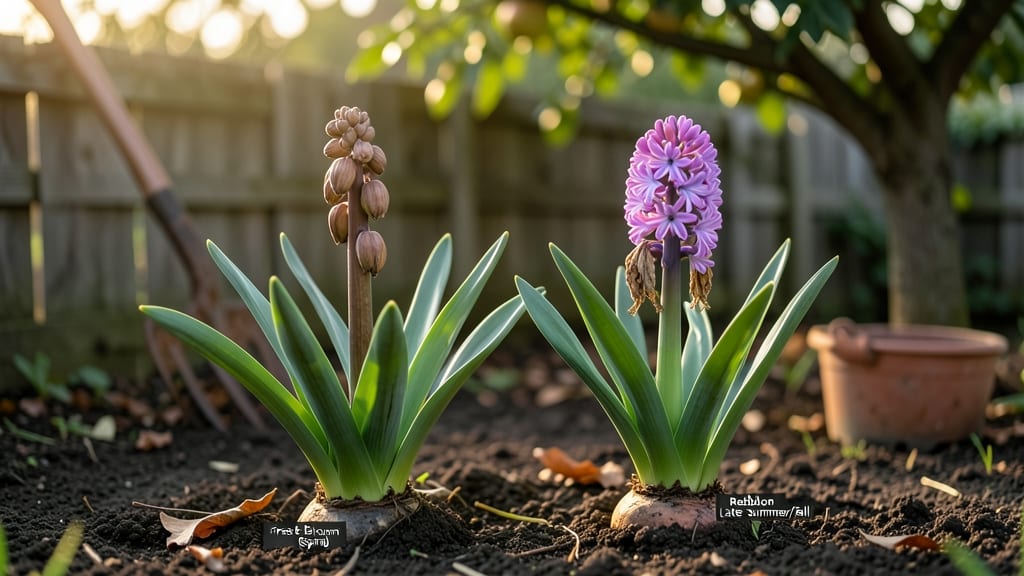
Do hyacinths bloom more than once? Most reblooming varieties like Hyacinthus orientalis and Hyacinthus litvinovii can produce additional flower spikes when given proper care—including deadheading, consistent sunlight, and balanced fertilization.
While standard hyacinths focus their energy on one spectacular spring display, reblooming types store extra nutrients to push out a second set of flowers later in the season. 🌸 The key lies in their genetic ability to recover after blooming, combined with your care routine.
I’ve seen Hyacinthus litvinovii produce three flower spikes in a single season when given the right conditions—though this requires vigilant deadheading and precise fertilization. Even then, reblooming isn’t guaranteed, as bulb health and environmental factors play crucial roles.
What sets rebloomers apart is their ability to rebuild reserves after flowering, unlike standard varieties that enter dormancy immediately.
This makes them ideal for gardeners who want extended color, but it also means they demand more attention—especially during the critical post-bloom period when bulbs need protection from heat stress and consistent moisture. The trade-off?
A well-cared-for reblooming hyacinth can reward you with multiple waves of fragrance and color, turning a single-season star into a year-round performer.
💡 In This Article
- Why Most Hyacinths Bloom Only Once
- How to Encourage Reblooming in Hyacinths
Why most hyacinths bloom only once
Hyacinths follow a strict biological cycle where their primary energy focus is on producing one spectacular bloom in spring. This single-blooming habit stems from their natural survival strategy—after flowering, standard varieties like Hyacinthus orientalis 'Anne Marie' redirect all resources toward bulb recovery rather than producing another flower spike.
The bulb's energy reserves, stored as starches during dormancy, are nearly depleted after the first bloom, leaving little left for a second attempt. 🌱
The process begins when hyacinth bulbs receive consistent light exposure (at least 6 hours of direct sunlight daily) and warm temperatures (60-70°F), triggering flowering.
Once blooms open, the plant enters a rapid nutrient depletion phase—up to 70% of stored energy is used just to sustain the flower stalk and scent production.
Standard varieties lack the genetic adaptation to recover quickly, unlike reblooming types that have evolved to store extra reserves in their tunics (the papery outer layers).
Seasonal dormancy plays a critical role too. After blooming, most hyacinths enter a mandatory rest period where they shed leaves and stop photosynthesis. This dormancy, lasting 8-12 weeks, is essential for bulb recovery but also prevents any chance of reblooming.
Even with optimal care, standard varieties won't produce another flower spike until the following spring because their bulbs prioritize rebuilding root systems over floral development. The trade-off is nature's way of ensuring survival—not continuous flowering.
Light exposure and temperature shifts act as natural triggers for this cycle. Hyacinths detect shortening daylight hours in late summer, which signals the bulb to prepare for dormancy. Reblooming varieties, however, have a genetic mutation that allows them to interpret these signals differently—delaying dormancy and extending the active growth window.
For example, Hyacinthus litvinovii can produce a second bloom if given consistent moisture and protection from extreme heat during summer months, when standard varieties would already be dormant.
What most gardeners don't realize is that even reblooming varieties have limits. The second (or third) bloom will always be smaller and less vibrant because the bulb's energy reserves are now divided between recovery and new flower production.
This is why professional growers often use controlled fertilization techniques, like applying a balanced 10-10-10 NPK fertilizer in early summer, to support the bulb's recovery while encouraging limited reblooming potential.
Consider this comparison: A standard hyacinth bulb might produce 10-15 flowers in its first bloom, while a reblooming variety like 'Pink Pearl' might manage 5-8 flowers in each subsequent bloom**.
The difference lies in the bulb's ability to balance energy allocation between recovery and floral development—a delicate act that requires precise care conditions. 🌿