
Blooming
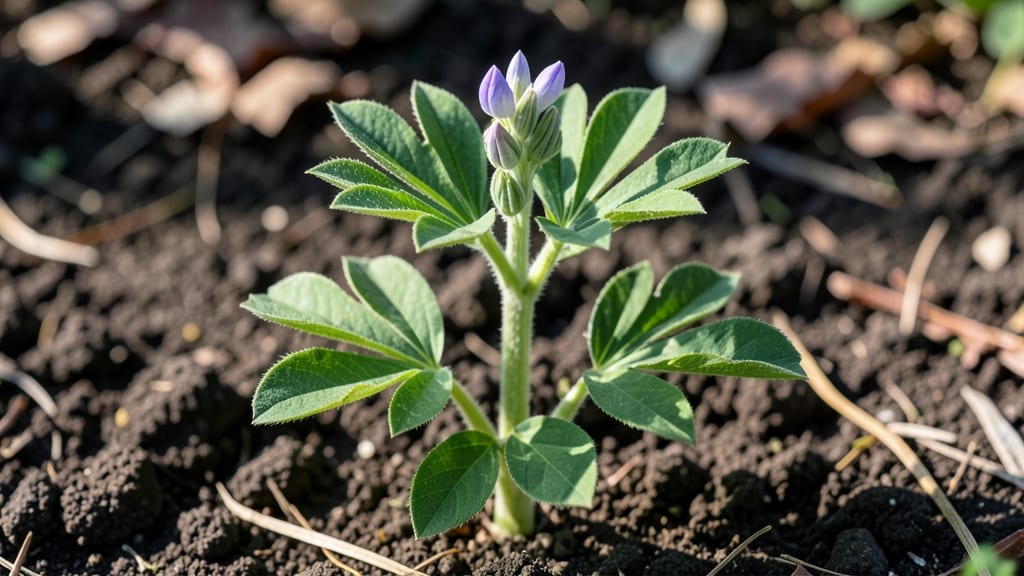
Lupines typically do not bloom the first year after planting, as they focus energy on establishing a strong root system and foliage for future flowering seasons. Most varieties require 1-2 years to mature before producing vibrant blossoms.
This delayed flowering is actually a smart survival strategy for lupines. 🌱 They prioritize developing deep, fibrous roots and sturdy stems during their first growing season, which helps them thrive in poor soils—a trait that makes them excellent nitrogen-fixers for gardens.
I’ve seen lupines with tiny leaves their first year, but those roots are working hard underground to store energy for next season’s spectacular blooms. The key is patience: skipping the bloom phase ensures stronger plants that reward you with showstopping flowers in years two or three.
For gardeners eager to see those blossoms sooner, the secret lies in creating ideal growing conditions. Lupines need well-draining soil rich in phosphorus and a sunny spot with at least 6-8 hours of direct sunlight daily.
Overwatering or crowded plantings can delay flowering further, so I always space mine 12-18 inches apart and let the soil dry slightly between waterings. The first year is all about building that foundation—think of it as their college years before the big debut!
💡 In This Article
- Why Lupines Delay Flowering in Their First Year
- Tips to Encourage Early Lupine Flowering
Why lupines delay flowering in their first year
Lupines follow a biological growth pattern where their first year is all about building structural strength rather than producing flowers. This is because lupines are nitrogen-fixing plants, meaning they develop deep, extensive root systems with nodules containing bacteria that convert atmospheric nitrogen into usable nutrients.
These roots can extend 3-5 feet deep—far beyond what you see above ground—creating a nutrient reservoir for future blooms. 🌱 The energy allocation prioritizes root and stem development over floral production, which is why you'll often see just a rosette of leaves in year one.
The science behind this involves hormonal regulation in the plant's growth cycle. Lupines produce higher levels of auxin (a growth hormone) during their first year, which promotes vegetative growth at the expense of flowering.
This is similar to how biennial plants like carrots or onions focus on leaf and root development before flowering in their second year. The difference with lupines is that many varieties are perennial, meaning they'll continue this cycle for multiple years, storing energy underground like a natural battery.
There's also a protective mechanism at play. Lupines often grow in poor, nutrient-deficient soils where establishing a strong root system gives them a competitive advantage. By delaying flowering, they ensure they have the resources to produce vibrant, nutrient-rich blooms once conditions are optimal.
This strategy pays off dramatically in their second or third year when they can produce 3-5 foot tall spikes covered in 1-2 inch flowers that attract pollinators for weeks.
One fascinating aspect is how lupines differ from other perennials. While many flowering plants establish roots and bloom simultaneously, lupines have evolved to separate these phases completely.
This two-phase growth pattern is particularly noticeable in Lupinus polyphyllus (Russian lupine) and Lupinus arboreus (tree lupine), where the first year's foliage can reach 12-18 inches tall while remaining non-flowering.
The plant's survival depends on this delayed strategy—skipping blooms ensures stronger plants that can better withstand drought and poor soil conditions.
What most gardeners don't realize is that this delayed flowering is actually a sign of healthy growth. The lush foliage you see in year one is storing carbohydrates and nutrients in the roots through a process called photosynthesis and translocation.
These stored reserves will fuel next year's flowering and seed production. Think of it like a plant version of saving for retirement—all that leafy growth is their way of preparing for their big floral debut. 🌸
The timing can vary slightly depending on the variety and growing conditions. Biennial lupines (like Lupinus albus) will bloom in their second year, while perennial varieties (like Lupinus perennis) may take 2-3 years to reach full flowering potential.
The key is understanding that this delay is programmed behavior, not a sign of poor health or weak plants.