
Blooming
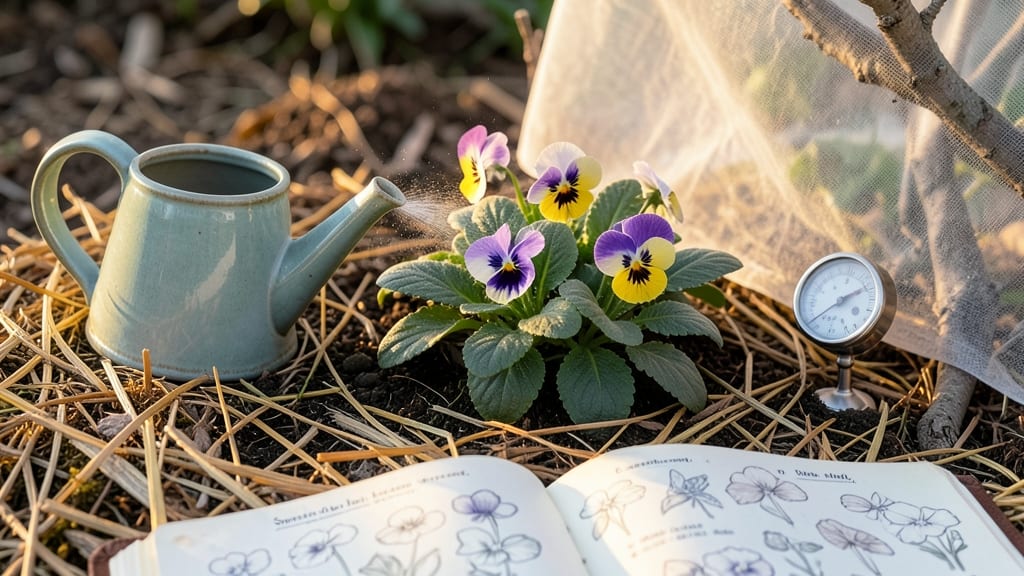
Pansies don't bloom all year in most climates—they're cool-season flowers that thrive in zones 3-8, producing vibrant blooms in spring and fall. While some varieties may show occasional flowers in mild winters, extreme heat or frost typically pauses their flowering. Selecting hardy varieties and maintaining proper care helps maximize their seasonal display.
Pansies are what gardeners call "cool-season annuals," meaning they follow nature's seasonal cues rather than blooming continuously. 🔥 In warmer zones (9-11), they may struggle during summer heat, while in colder regions (3-8), they often go dormant in winter.
The key to extending their bloom time lies in choosing varieties bred for your specific climate—like 'Soraya' for heat tolerance or 'Majestic Giants' for cold hardiness—and providing consistent moisture. Deadheading spent blooms regularly also encourages new flowers to form, giving you that colorful display for as long as possible.
What many gardeners don't realize is that pansies actually benefit from a period of cooler temperatures to reset their growth cycle. This dormancy period—whether it's winter chill or summer heat—helps prevent them from becoming leggy or producing weak blooms.
I've found that pairing pansies with shade-loving companions like violas creates a stunning seasonal progression, where one takes over when the other temporarily retreats. The right variety and a little strategic planting can turn what seems like a seasonal limitation into a year-round garden highlight.
💡 In This Article
- Climate Zones and Seasonal Bloom Patterns for Pansies
- Best Pansy Varieties for Extended Blooming Seasons
Climate zones and seasonal bloom patterns for pansies
Pansies respond to temperature shifts like a biological clock, with their blooming cycles directly tied to daylight hours and seasonal changes. In zones 3-8, they thrive during cooler months (spring and fall) when average temperatures stay between 45-75°F.
The magic happens when days grow shorter in late summer—this triggers their natural dormancy response, conserving energy until conditions improve. 🌱 During summer heatwaves (above 80°F), pansies often go dormant to prevent heat stress, while winter frosts below 20°F can cause leaf damage, though the roots typically survive.
The science behind this involves a process called vernalization, where cool temperatures (around 40-50°F) for 4-6 weeks help break dormancy in spring. This is why pansies planted in early fall often bloom earlier than spring plantings—they've already experienced their required chill period.
In zones 9-11, where winters are mild, some varieties like 'Matrix' may produce sporadic blooms year-round, but their peak performance still occurs during cooler months. The key difference is that tropical climates lack the temperature fluctuations pansies evolved to respond to.
Daylight length plays an equally crucial role—pansies are short-day plants, meaning they bloom most actively when daylight hours shorten (below 12 hours). This explains why you'll see vibrant displays in late summer and fall, while spring blooms may be less abundant until days grow shorter again.
In northern climates (zones 3-5), pansies often survive winter under snow cover, emerging in early spring to take advantage of the sudden increase in daylight. The contrast between winter dormancy and spring growth creates their signature seasonal performance.
What most gardeners overlook is how heat stress affects pansies differently than cold. While frost can damage foliage, summer heat causes a physiological response where the plant redirects energy toward survival rather than flowering.
You'll notice leaves turning yellow or wilting when temperatures exceed 85°F for prolonged periods—a clear sign the plant is conserving resources. This is why afternoon shade becomes critical in hotter zones (7-11), allowing pansies to maintain blooming through summer's peak.
The same principle applies to winter hardiness—varieties like 'Majestic Giants' can tolerate -20°F temperatures, while tender types may need winter protection.
To extend the blooming season, consider these zone-specific strategies: In zones 3-5, plant pansies in early spring and late summer for back-to-back displays. In zones 6-8, provide afternoon shade during summer months and mulch heavily in winter.
The goal is to mimic their natural seasonal cues while minimizing stress factors. For example, a 3-inch layer of straw mulch can protect roots from temperature swings that might otherwise trigger premature dormancy. 🌿
One fascinating adaptation is how pansies adjust their flowering based on temperature fluctuations. Research shows that daily temperature swings of 10-15°F between day and night actually stimulate more abundant blooming.
This explains why pansies often perform better in continental climates with distinct seasons than in tropical regions with stable temperatures. The contrast helps regulate their internal clocks, ensuring they bloom when conditions are optimal for pollinators and garden enjoyment.