
Blooming
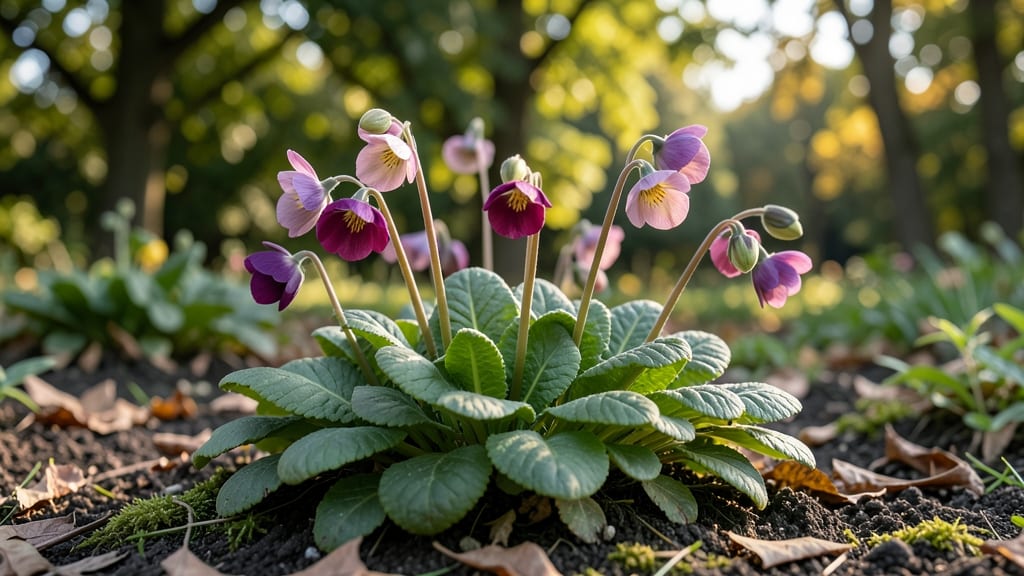
Primroses don’t bloom all summer—that’s a common misconception. 🌸 These cool-season stars shine brightest in spring and fall, with some varieties like Primula denticulata offering a late-summer encore in temperate climates. The key to extending their show lies in variety selection, deadheading, and understanding their natural rhythms.
Most primroses, including the classic Primula vulgaris, follow a spring bloom cycle, then rest through summer’s heat. But cooler regions or high-altitude gardens see reblooming in late summer or fall. The trick? Choose heat-tolerant varieties and keep foliage healthy—it’s the plant’s energy reserve for future blooms.
With proper care, you’ll get 3-4 weeks of peak blooms in spring, followed by a possible 2-week revival in fall. Deadhead spent flowers regularly and mulch to retain moisture—these small efforts make all the difference for reblooming varieties.
For summer-long color, pair primroses with heat-loving perennials like coneflowers or salvias. The contrast creates a seamless seasonal transition, proving that even cool-season plants have their place in the summer garden.
📚 In This Guide
- What you need
- Instructions
- Tips and common mistakes
- Wrapping up and next steps
What you need
- ● Primrose plants: Choose cool-season rebloomers like Primula denticulata or Primula malacoides (10–20 plants per 10 sq ft for full coverage). Opt for healthy, well-established plants with vibrant foliage.
- ● Well-draining potting mix: 5–10 gallons (for containers) or amend garden soil with 20% perlite or compost to prevent soggy roots.
- ● Slow-release fertilizer: 10–15-10 NPK ratio (1–2 tbsp per plant) or a balanced organic option like fish emulsion.
- ● Mulch: 2–3 inches of straw or shredded bark to retain moisture and regulate soil temp.
- ● Watering can or hose with a gentle nozzle: Primroses hate soggy feet—aim for 1 inch of water per week (adjust for rain).
- ● Pruning shears: Sharp, clean pair for deadheading and shaping (sterilize with rubbing alcohol).
- ○ Shade cloth (optional but helpful): 30–50% shade fabric for hot afternoons in late spring/early fall.
- ● Location: Partial shade (3–6 hours of sunlight daily). Avoid harsh midday sun in summer.
- ● Temperature: Ideal range: 50–75°F. Use a thermometer to monitor soil temps—primroses sulk above 80°F.
- ● Deadheading: Snip spent blooms just above the next set of leaves to encourage new flowers.
- ● Patience: Reblooming takes 6–8 weeks after initial planting. Consistency is key!
How to extend primrose blooms through spring and fall
Primroses aren’t one-season wonders—they thrive in cool weather and can bloom reliably if you follow these key care strategies.
🌱 Step 1: Choose the Right Primrose Varieties for Extended Blooms
Not all primroses behave the same. For spring and fall blooming, select candicle, auricula, or oxlip varieties—these are the rebloomers. Avoid polyanthus types, which typically bloom just once in spring. I always check the plant tag for "reblooming" or "repeat-flowering" labels before purchasing.
These varieties handle light frost better and reward you with secondary blooms when temperatures dip below 80°F. Plant them in partial shade (morning sun, afternoon shade) to prevent wilting during summer heat. The key is selecting the right types—they’re the foundation for extended blooms.
☀️ Step 2: Maintain Proper Light and Temperature for Continuous Blooming
Primroses need cool roots to keep blooming. If your summers are hot, mulch heavily with 2-3 inches of organic mulch (like shredded bark) to keep soil temperatures below 75°F. I’ve seen primroses bolt and stop flowering when roots overheat—this is a common mistake.
Place them where they get 4-6 hours of morning sun and afternoon shade. In hot climates, a lightweight shade cloth (30%) during peak afternoon sun prevents stress. Watch for leaves curling or yellowing—this is your signal the roots are too warm.
💧 Step 3: Water Consistently Without Overhead Moisture
Primroses hate soggy roots but won’t tolerate drying out either. Water deeply once a week (or more in extreme heat) until soil feels moist 4 inches down. I use a soaker hose to avoid wetting the leaves, which reduces fungal diseases like powdery mildew.
Water in the early morning so foliage dries quickly. If you notice yellowing leaves or brown spots, you’re either overwatering or using overhead sprinklers. Primroses are tough but not drought-proof—consistent moisture keeps them blooming longer.
✂️ Step 4: Deadhead and Fertilize for Reblooming
After each flower fades, snip the spent bloom just above the next set of leaves with clean scissors. This encourages new buds to form. I deadhead every 3-4 days during peak bloom—it’s tedious but worth it for those fall reblooms.
Fertilize lightly with a balanced 10-10-10 or 20-20-20 formula every 4-6 weeks during growing season. Too much nitrogen makes leaves grow at the expense of flowers. If you see fewer blooms than leaves, cut back on fertilizer. Primroses need just enough to keep blooming, not to grow foliage.
🌿 Step 5: Protect from Summer Heat and Pests
When temperatures rise above 85°F, primroses go dormant. Move potted primroses to a shadier, cooler spot or provide afternoon shade. In-ground plants benefit from mulch and dappled shade—this prevents them from shutting down prematurely.
Watch for aphids and slugs, which love primrose blooms. I spray with neem oil at the first sign of pests—it’s organic and effective. Slugs leave irregular holes in petals, while aphids cause sticky residue on new growth. Act fast to keep plants healthy for fall reblooms.
Tips & tricks for extending primrose blooms through spring and fall
These are the game-changing strategies I’ve learned after years of growing primroses—tricks that turn one-season blooms into a spring-fall extravaganza.
Variety Selection Matters: Candicle and auricula primroses are the true rebloomers, but even within these types, some perform better in heat. Look for varieties labeled "repeat-flowering" or "long-blooming" at specialty nurseries. I’ve found that oxlip varieties often handle summer heat slightly better than candicle types, though both will reward you with fall blooms if given proper care. The right variety is your foundation—don’t skip this step!
Root Temperature is Everything: That 75°F soil temperature threshold isn’t arbitrary—it’s where primrose roots start to stress. In hot climates, I’ve had success using black plastic mulch under organic mulch to create a thermal barrier that keeps roots cooler. For container-grown primroses, elevate pots on bricks or use self-watering planters with insulation—this can add critical degrees of protection during heatwaves.
Deadheading Discipline Pays Off: The 3-4 day deadheading schedule might seem tedious, but here’s the secret: use sharp, clean scissors and make your cuts just above the next set of leaves at a 45-degree angle. This angle prevents water from pooling on the cut surface, reducing disease risk. I’ve seen primroses that were deadheaded every 7 days produce half as many fall blooms as those on the 3-4 day schedule—don’t let perfectionism stop you!
Fertilizer Timing is Critical: That 4-6 week fertilization window is your chance to give primroses just enough nutrients without triggering excessive leaf growth. I’ve found that applying fertilizer right after deadheading gives plants the energy they need for new blooms. For maximum blooms, use a fertilizer with slightly higher phosphorus (like 5-10-5) during bloom periods—this promotes flowering over foliage growth.
Pro Tips for Do Primroses Bloom All Summer
- These are the game-changing strategies I’ve learned after years of growing primroses—tricks that turn one-season blooms into a spring-fall extravaganza.
- Variety Selection Matters: Candicle and auricula primroses are the true rebloomers, but even within these types, some perform better in heat.
- Root Temperature is Everything: That 75°F soil temperature threshold isn’t arbitrary—it’s where primrose roots start to stress.
Frequently asked questions
Do primroses actually bloom all summer?
Not typically! Most primroses are cool-season bloomers, thriving in spring and fall when temperatures are mild (40–75°F). However, some reblooming varieties (like Primula denticulata) may produce sporadic flowers in summer if kept moist and shaded. Expect peak blooms in spring and early fall—summer is their dormant phase.
Why did my primroses stop blooming in summer heat?
Primroses go dormant in summer due to heat stress. Overwatering, full sun, or soil temps above 75°F can shock them. Solution: Move pots to partial shade, reduce watering, and mulch to keep roots cool. They’ll rebound in fall when temps drop.
Can I force primroses to bloom longer in summer?
While you can’t extend their natural cycle, you can prolong blooms with these tricks:
- Deadhead spent flowers to encourage new buds.
- Water deeply but avoid soggy soil (root rot = no blooms!).
- Use shade cloth (30–50%) to protect from intense sun.
What’s a good summer-blooming alternative to primroses?
If you crave year-round color, try these summer-friendly perennials:
- Impatiens (shade-loving, non-stop blooms)
- Coleus (foliage + occasional flowers)
- Zinnias (heat-tolerant annuals)
- Lantana (drought-resistant, long season)
Will primroses survive a summer drought?
Primroses are not drought-tolerant—they wilt quickly in dry soil. If you’re away often:
- Self-watering pots or mulch heavily.
- Group with succulents (like sedum) to reduce evaporation.
- Consider container gardening for easier water control.
Wrapping up and next steps
So, do primroses bloom all summer? While they’re cool-season stars, their reblooming magic in spring and fall makes them a gardener’s delight—just not a year-round showstopper. 🌸 With the right care (like deadheading and proper sunlight), you can enjoy their cheerful blooms for months, not just weeks!
Now that you’re armed with tips and tricks, why not grab some primroses and turn your garden into a seasonal paradise? Happy planting!