
Blooming
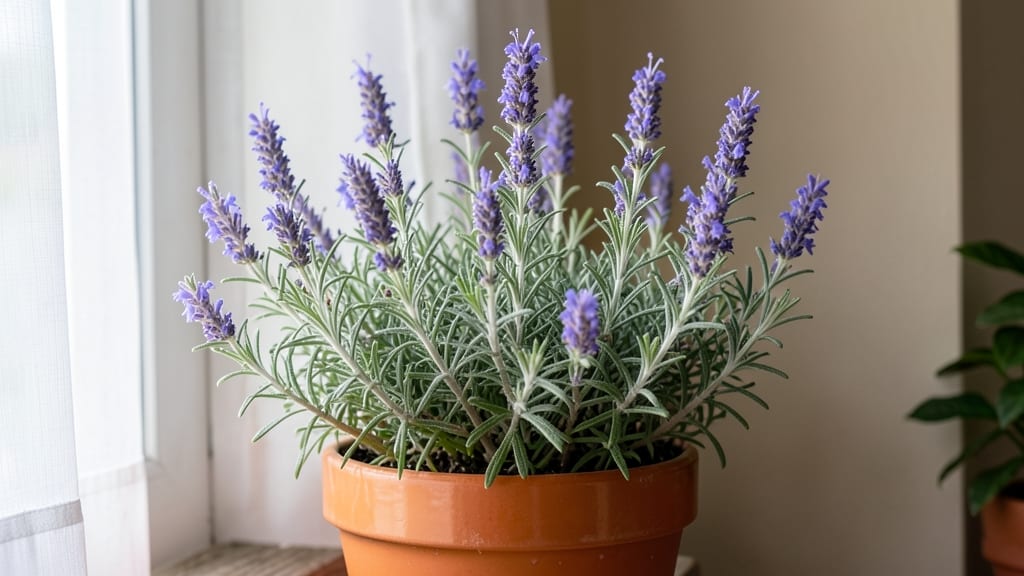
Salvias don't bloom continuously all summer, but varieties like Salvia nemorosa and Salvia leucantha can produce extended flowering periods with proper deadheading and seasonal pruning. Most perennials peak in spring/summer but may rebloom under ideal conditions.
While salvias aren't nonstop bloomers, some varieties—especially perennials—can keep producing flowers for months with the right care. 🌸 The key lies in understanding each type's natural cycle: annuals like Salvia splendens bloom heavily once, while perennials like Salvia officinalis may have multiple flushes if you remove spent blooms promptly.
Think of it like giving your plants a seasonal haircut—they'll reward you with fresh growth and more flowers!
What's fascinating is how light and temperature act as natural triggers. Many salvias bloom when days lengthen in spring, then take a brief rest before producing another round of flowers in late summer if conditions are right.
That's why I always recommend watching your plants closely—they'll often give you subtle cues when they're ready for another bloom push.
💡 In This Article
- Salvia Blooming Cycles: Seasonal Patterns by Variety
- Deadheading and Pruning for Extended Salvia Blooms
Salvia blooming cycles: seasonal patterns by variety
Salvias exhibit diverse blooming habits because their native climates and growth cycles vary dramatically. Perennial types like Salvia nemorosa (woodland sage) typically bloom from early summer through fall, while Salvia officinalis (common sage) produces two distinct flushes: one in spring and another in late summer.
This dual-cycle behavior occurs because perennials store energy in their root systems during winter dormancy, then respond to increasing daylight and soil warmth in spring.
The timing difference between early bloomers like Salvia microphylla (autumn sage) and late-season performers like Salvia greggii (Texas sage) comes down to temperature sensitivity. Salvia microphylla thrives in cooler climates and often blooms as early as late spring, while Salvia greggii waits until summer heat triggers its flowering mechanism. 🌿 In my garden, I've noticed that Salvia leucantha (velvet sage) typically starts blooming in mid-summer and continues until first frost, provided I maintain consistent moisture during dry spells.
Annual salvias like Salvia splendens (scarlet sage) follow a different pattern—they produce one massive bloom cycle from early summer until frost, then die back completely. This single-flush behavior is hardwired into their genetics as a survival strategy for their native tropical regions.
The key difference is that annuals allocate all their energy to one reproductive event, while perennials spread their resources across multiple cycles over several years.
Light exposure plays a crucial role in reblooming. Most salvias are photoperiod-sensitive, meaning they respond to day length changes. When days start shortening in late summer, many varieties prepare for dormancy unless you intervene with deadheading.
I've found that Salvia nemorosa will often produce a second flush if I remove the first wave of spent blooms by early July—this tricks the plant into thinking it's still spring!
Soil temperature also affects blooming windows. In colder regions, salvias planted in south-facing beds often bloom 2-3 weeks earlier than those in shaded spots because the soil warms faster. The same plant might bloom in June in full sun but wait until July in partial shade.
This is why I always recommend planting perennials where they'll get at least 6 hours of direct sunlight daily—it maximizes their flowering potential.
One fascinating exception is Salvia microphylla, which can bloom in both spring and fall if given the right conditions. This variety's ability to produce two distinct flushes makes it one of the most rewarding for gardeners seeking extended color.
The secret lies in its native Mediterranean climate, where it experiences mild winters and hot, dry summers—conditions that mimic what we can create with proper garden care.