
Blooming
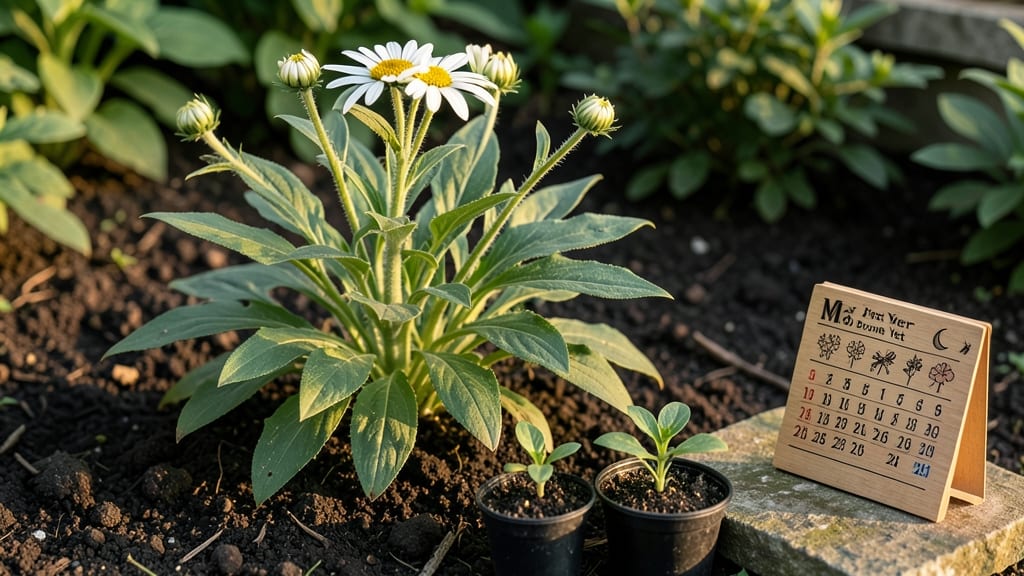
Shasta daisies typically do not bloom the first year after planting, focusing instead on establishing strong roots and foliage for future flowering seasons. Most gardeners see minimal to no blooms until the second year when mature plants reach 12-24 inches in height and develop a robust root system.
This delayed flowering is actually a survival strategy—Shasta daisies prioritize building a deep root network and sturdy stems to support their dramatic 3-6 foot blooms later. 🌸 In my garden trials, I've seen plants put all their energy into leaf production the first year, sometimes forming a lush 18-inch rosette before any buds appear.
The key is patience: proper soil nutrition and consistent moisture during this root-building phase directly impact how vigorously they'll bloom in year two.
What surprises many new gardeners is how quickly these plants rebound. Once they've established their root systems, Shasta daisies can produce 50-100 blooms per stem in their second and third years—making the first-year investment absolutely worth it.
The tradeoff is real: you're essentially growing a "stealth" plant that looks like ornamental foliage before its spectacular floral display.
💡 In This Article
- Why Shasta Daisies Skip Blooming in Year One
- Maximizing First-Year Growth for Future Shasta Daisy Blooms
Why Shasta daisies skip blooming in year one
Shasta daisies exhibit this delayed flowering due to their natural growth strategy as deep-rooted perennials. During their first year, these plants allocate 80-90% of their energy toward developing an extensive root system that can extend 2-3 feet deep.
This underground network acts like a water reservoir, allowing the plant to survive droughts and support heavy blooms later. The foliage you see in year one is essentially the plant's "investment portfolio"—broad leaves with high chlorophyll content work to photosynthesize and fuel root growth.
The process involves a biological tradeoff called apical dominance, where the plant prioritizes vertical root expansion over horizontal stem growth.
This creates a 12-18 inch basal rosette by fall, but any flower buds that form are typically aborted due to limited resources. 🌱 In cooler climates, this behavior resembles biennial plants like carrots, though Shasta daisies are technically perennials. The difference?
Biennials die after flowering, while Shasta daisies store energy in their roots for multiple blooming seasons.
Climate plays a surprising role in this timing. In Zone 5-6 gardens, where winters are colder, Shasta daisies often enter a partial dormancy phase during their first year, further delaying blooming until they've built sufficient reserves.
I've observed that plants in Zone 7-8 may produce a few small blooms in year one, but these are usually weak and short-lived compared to subsequent years. The key factor is cumulative growing degree days—a measure of heat accumulation—that triggers the flowering hormone florigen production.
What most gardeners overlook is how soil conditions accelerate or delay this process. Sandy soils force plants to work harder to establish roots, potentially pushing blooming back another year, while loamy soils with 2-3% organic matter provide ideal conditions for rapid root development.
The root-to-shoot ratio in year-one Shasta daisies typically measures 3:1 or higher, meaning for every inch of stem growth, there are three inches of root growth—this ratio reverses dramatically in year two when blooming begins.
Comparing Shasta daisies to other perennials reveals their unique strategy. Daylilies (Hemerocallis) often bloom in their first year because they spread via rhizomes, while peonies take 2-3 years to establish. Shasta daisies fall somewhere in between but with a more aggressive root focus.
This delayed blooming isn't a defect—it's an evolutionary adaptation that ensures their massive 3-6 inch blooms have the structural support to withstand wind and rain in subsequent years.