
Blooming
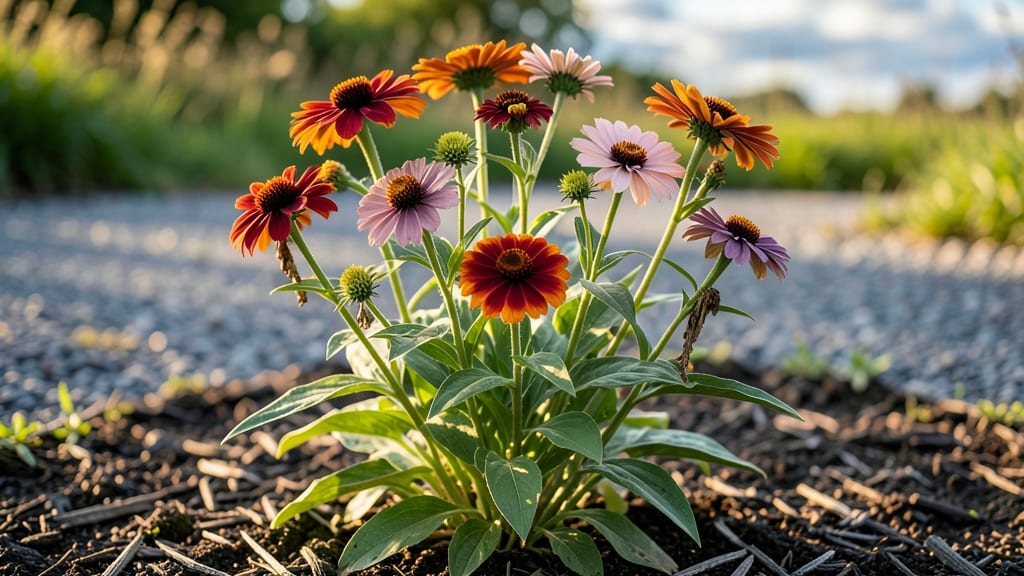
Zinnias do bloom more than once when you deadhead spent blooms regularly and choose reblooming varieties, which can produce flowers continuously throughout the growing season with proper care and maintenance.
This reblooming behavior happens because zinnias naturally produce new flowers from the same plant after removing old blooms. 🌼 The key is timing—cutting back flowers just as they start to fade redirects the plant's energy toward producing fresh buds.
Reblooming varieties like 'Profusion' or 'Crystal' are specifically bred for this trait, while single-bloom types like 'Benary’s Giant' focus energy on one spectacular flower at a time.
For best results, I recommend deadheading in the morning when blooms are dry but still fresh. This prevents seed formation and keeps the plant focused on new growth.
Regular pruning also helps maintain a bushier shape, which supports more blooms. Just be sure to use clean tools and avoid over-trimming—zinnias are tough but not indestructible!
💡 In This Article
- How Deadheading Extends Zinnia Blooms
- Top Reblooming Zinnia Varieties for Long-Lasting Color
How deadheading extends zinnia blooms
Deadheading zinnias isn't just about tidying up your garden—it's a biological hack that tricks the plant into producing more flowers. When a zinnia bloom fades, it begins producing ethylene gas, a natural plant hormone that signals the end of its life cycle.
This process, called senescence, shifts the plant's energy from flower production to seed development.
By snipping off spent blooms just above a set of healthy leaves (usually within 1/4 inch of the stem), you remove this ethylene signal, allowing the plant to redirect its resources toward growing new buds instead.
The timing of deadheading makes all the difference. Cutting blooms too late—when they've already formed seeds—wastes the plant's energy. Aim to remove faded flowers in the morning when they're dry but haven't yet released ethylene in high concentrations.
This gives the plant a full day to recover and start producing new growth. 🌿 For maximum reblooming, I've found that deadheading every 2-3 days during peak flowering seasons keeps zinnias producing continuously.
The plant's natural growth cycle can handle this frequent pruning, as long as you're not removing more than 1/3 of the plant's foliage at once.
This process works because zinnias are determinate growers, meaning they produce flowers from the tips of their branches. When you remove spent blooms, you're essentially telling the plant, "Keep growing upward—there's more to do!" The plant responds by producing new lateral buds that develop into fresh flowers.
This is why reblooming varieties like 'Profusion' can produce 50-70% more flowers than their single-bloom counterparts when properly deadheaded. The key is consistency—the more you deadhead, the more the plant learns to focus on flower production rather than seed development.
There's a science to where you make your cuts too. Always snip just above a set of leaves or a side bud, never at a node where multiple branches meet. This ensures you're not removing potential growth points.
I've seen gardeners accidentally cut into the main stem, which can stunt the plant's growth. For best results, use sharp, clean pruners to avoid damaging the plant tissue. The cleaner the cut, the faster the plant can heal and redirect its energy to new growth.
What most people don't realize is that deadheading also improves the overall health of your zinnia plants. Removing spent blooms prevents fungal diseases that often take hold in dying flowers, particularly in humid climates.
The improved air circulation from regular pruning helps keep the foliage dry, reducing the risk of powdery mildew. This dual benefit—more flowers and healthier plants—makes deadheading one of the most effective gardening practices for zinnias. 🌺
For those growing zinnias in containers, deadheading becomes even more critical. Potted zinnias have limited space and resources, so every spent bloom removed translates directly to more flowers. I've seen container-grown 'Crystal' zinnias produce continuous blooms for 6-8 weeks with regular deadheading, compared to just 3-4 weeks without it.
The secret is to be ruthless with your pruners—don't hesitate to remove any bloom that shows signs of fading, no matter how pretty it might look in your vase.