
Blooming
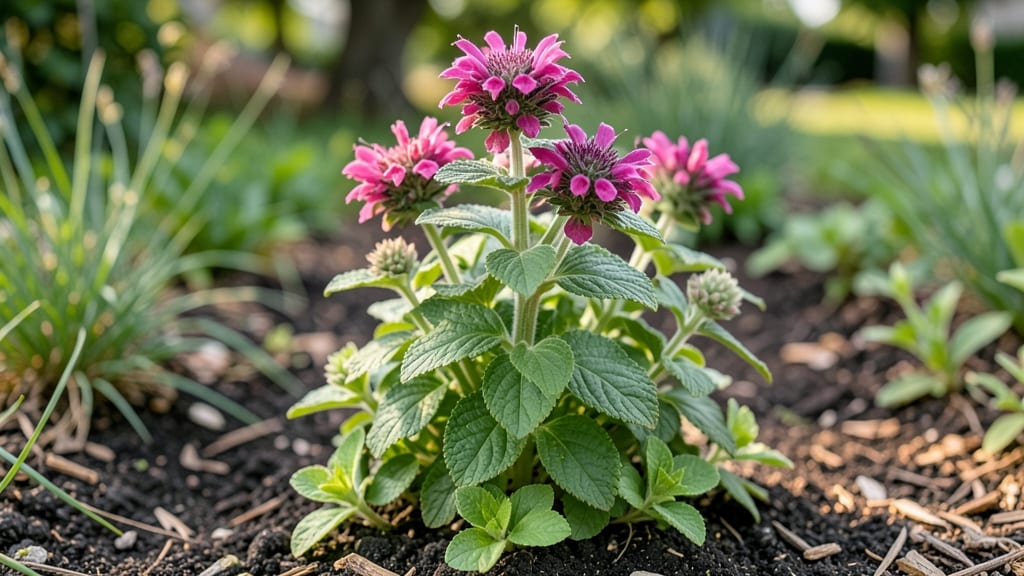
Bee balm does not typically bloom the first year as it prioritizes developing a strong root system and foliage. With the right conditions—well-draining soil, full sun to partial shade, and consistent moisture—it usually produces vibrant flowers by the second year, though early spring planting may yield sparse blooms. Patience and proper care are essential for encouraging early flowering.
Bee balm's first-year focus on roots and leaves mirrors many perennials, where energy allocation determines future blooms. 🌱 The plant needs time to establish itself before diverting resources to flowers, much like how a young tree grows leaves before producing fruit.
Providing balanced nutrients and avoiding overwatering helps create the ideal foundation for next year's showy blooms.
For gardeners eager to see flowers sooner, planting in early spring gives the plant a head start. However, even with optimal care, most varieties won't bloom heavily until their second year. The key is consistency—maintaining proper moisture levels and sunlight exposure while avoiding heavy pruning during the first growing season.
💡 In This Article
- Why Bee Balm Takes Two Years to Flower
- Tips to Encourage First-Year Bee Balm Blooms
Why bee balm takes two years to flower
Bee balm's delayed flowering is rooted in its survival strategy as a perennial herb. During its first year, the plant allocates nearly 90% of its energy to developing a robust root system and sturdy foliage, rather than producing flowers.
This underground growth creates a reservoir of nutrients that will fuel future blooms. Think of it like a savings account—what you invest today determines how much you can spend tomorrow. 🌱
The timing of flowering is also triggered by environmental cues. Bee balm typically requires 10-12 hours of daylight and soil temperatures above 50°F to initiate blooming.
Since these conditions often align with the second growing season, the plant naturally delays flower production until it has the energy reserves to support vibrant blooms.
Some varieties, like Bergamot (Monarda didyma), may produce a few flowers in their first year if planted very early in spring, but these will be sparse compared to the 3-4 foot tall floral displays of subsequent years.
This two-year cycle differs from biennial plants like foxglove, which bloom in their second year and then die. Bee balm, however, continues to grow and flower annually for 5-10 years or more with proper care.
The first year's focus on roots isn't just about survival—it's about building a foundation that will support the bright red, pink, or purple flower spikes that attract pollinators like hummingbirds and bees.
The scent alone, often described as a mix of oregano and mint, makes the wait worthwhile for gardeners. 🐝
What most gardeners don't realize is that even well-established bee balm plants can experience delayed blooming if they're stressed. Factors like poor soil drainage, inconsistent watering, or heavy pruning in the first year can divert energy away from root development.
The plant essentially goes into "conservation mode," waiting for better conditions before diverting resources to flowers. This is why providing well-draining soil with a pH between 6.0-7.0 is crucial—it ensures the roots can access nutrients efficiently without becoming waterlogged.
Interestingly, some bee balm varieties have been selectively bred to flower more reliably in their first year. For example, 'Jacob Cline' and 'Marshall's Delight' are known for their slightly earlier blooming tendencies, though they still prioritize root establishment.
The difference comes down to genetic predisposition—these varieties have been developed to allocate a slightly higher percentage of energy to flower production while maintaining strong root systems.
This genetic variation explains why you might see one bee balm plant blooming sparingly in its first year while another in the same garden remains flower-free. 🌸
The botanical term for this growth pattern is "juvenile phase," where plants focus on vegetative growth before reproductive stages. In bee balm, this phase typically lasts 6-12 months, depending on growing conditions.
The transition to flowering occurs when the plant's root system reaches a critical mass—often when roots extend 12-18 inches deep. At this point, the plant has stored enough carbohydrates and nutrients to support the energy-intensive process of producing flowers, seeds, and the metabolic demands of pollinators visiting the garden. 🌿
Understanding this process helps gardeners set realistic expectations. While it's tempting to prune back new growth aggressively in the first year, doing so can actually delay flowering by 1-2 years.
The key is to let the plant establish itself naturally, providing only light pruning to remove dead or yellowing leaves.
This approach ensures that when the second growing season arrives, your bee balm will reward you with 3-4 foot tall spikes of vibrant blooms that continue through late summer into fall. ✨